When Paris Called: A Journey to of Art, History and Heritage
In late fall 2013, the timing seemed perfect to act on a lifelong dream: visiting Paris. Paris Photo was opening, November seventh marked my birthday, and several photographer friends would be in that part of the world working on projects—both still photography and film. During the Obama years, friends-of-friends facilitated an invitation to stay at the U.S. Ambassador's Residence, which sealed the deal. The residence has historically showcased American and French art and history, with cultural aspects highlighted through restorations, exhibits, and events. Though I spent time wandering dimly lit, romantic streets along the water, sampling French cuisine, learning the Paris Métro system, and purchasing a few pieces of jewelry to memorialize the trip, my main focus was experiencing historic buildings, museums and art. A few highlights follow:
Paris Photo
Paris Photo is for the art connoisseur and the enthusiast alike. As the leading international art fair dedicated to photography, it offers a crash course in documentary and contemporary work, spanning centuries and showcasing the medium's extraordinary versatility. Held each November at the Grand Palais in the heart of Paris, the fair brings together over 200 exhibitors and has championed photographic creation the late nineties, promoting galleries and and artists (from masters to emerging talents).
Beyond the fair itself, Paris Photo transforms the city into a celebration of the medium. Programming extends throughout Paris, with curated exhibitions at renowned public and private institutions, conversation cycles featuring curators, artists, collectors, and critics, and special events exploring photography's unique history, diverse practices, and emerging trends. During this time, Paris becomes an incubator where a dense network of cultural institutions—home to some of the world's most historically rich photographic collections—comes alive.
The experience is remarkable on multiple levels. Brushing shoulders with celebrity enthusiasts like Anthony Hopkins, hearing languages from across the globe, but above all, encountering a curated selection of the world's finest photography—many names I had yet to discover, much work that will take time to fully appreciate and understand.
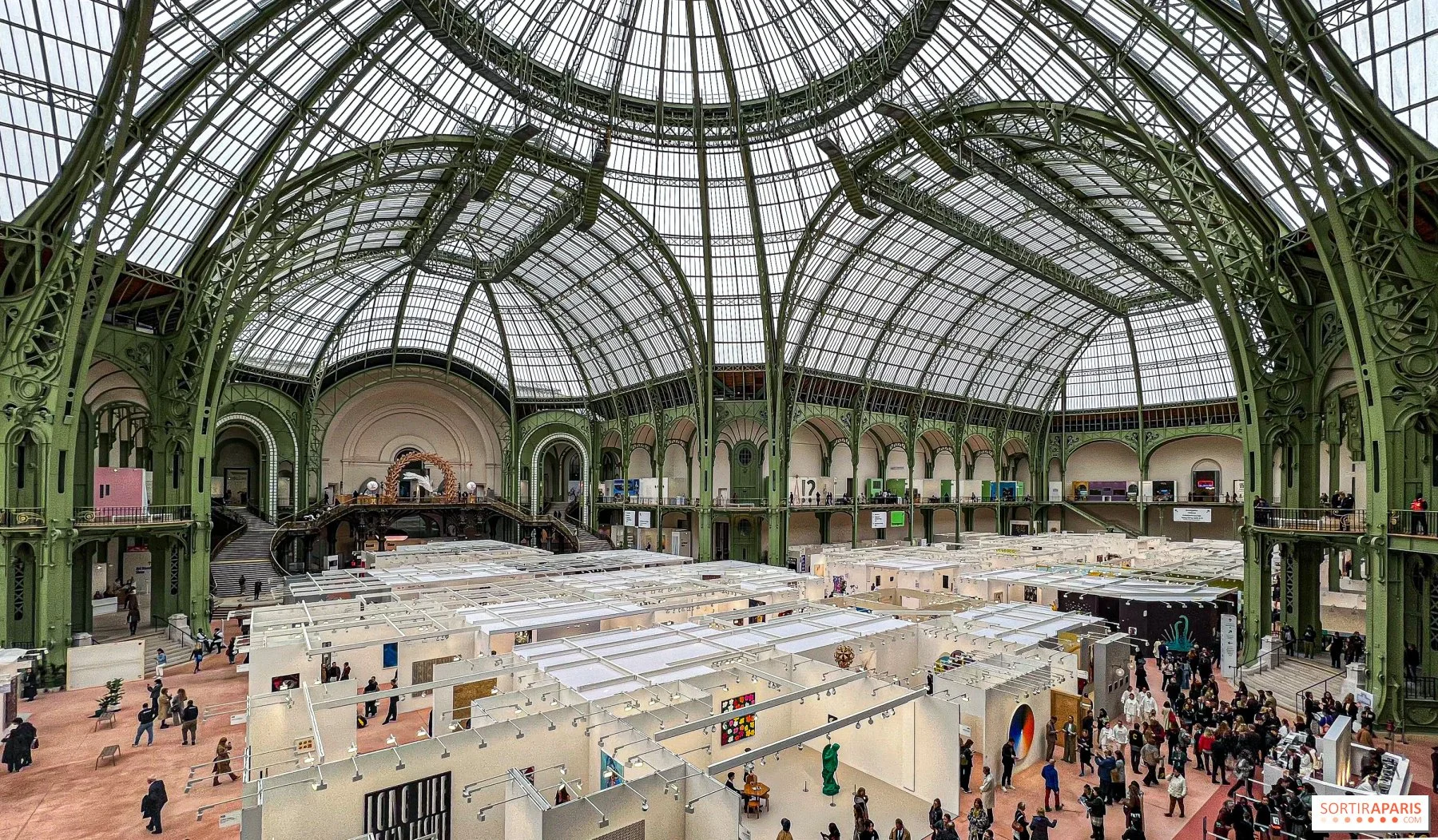
Paris Photo, the leading international art fair dedicated to photography and image-based art, at the Grand Palais.
United State’s Ambassador Residence
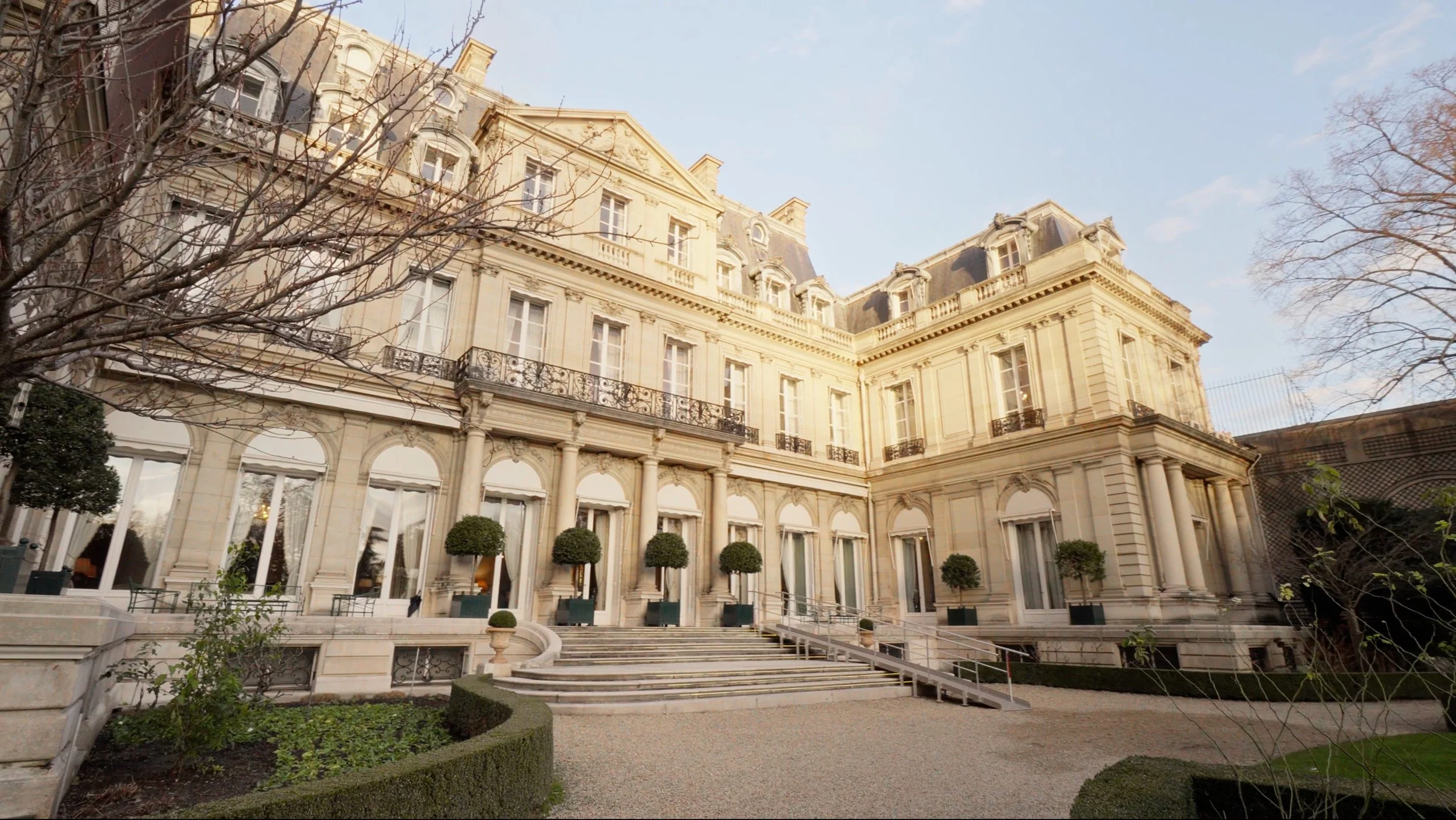
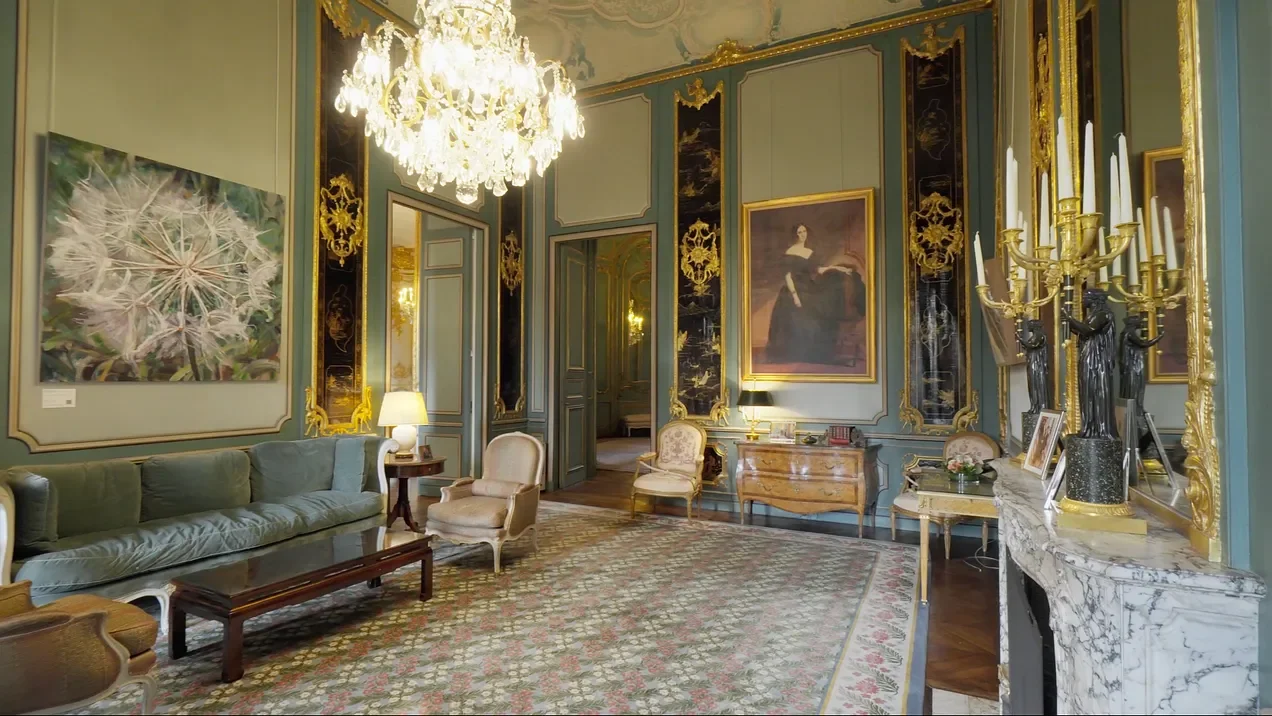
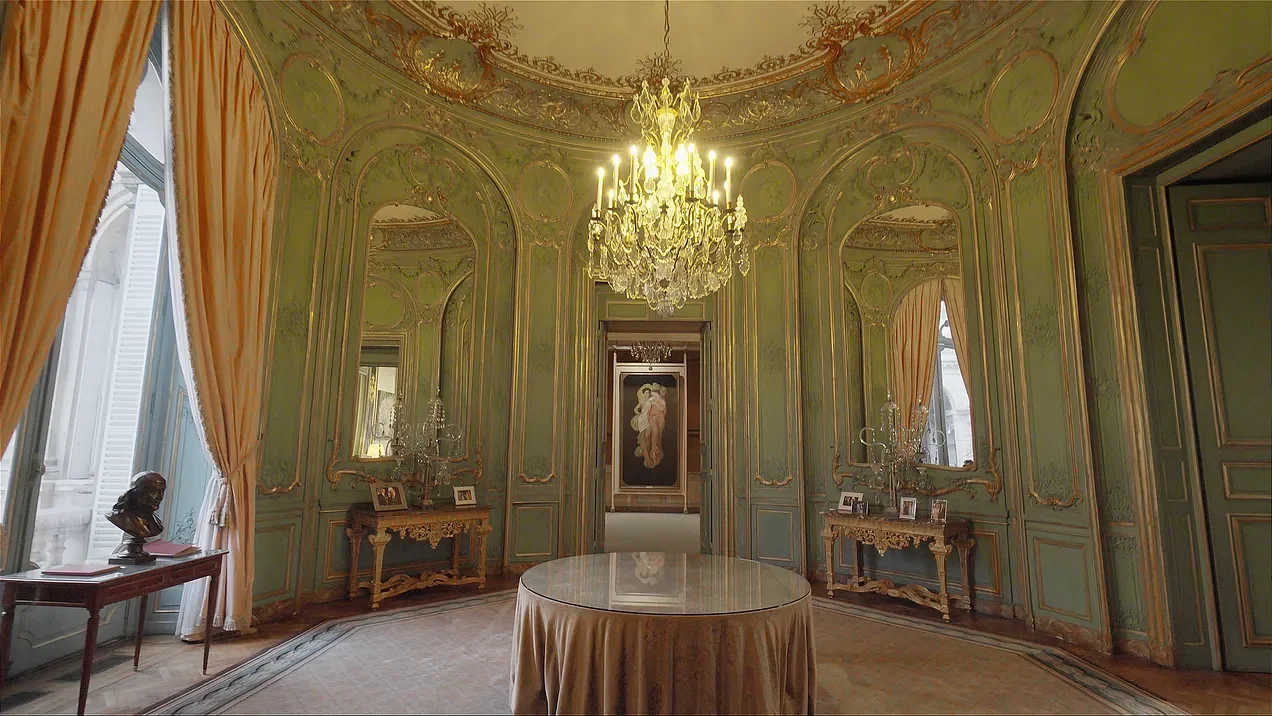
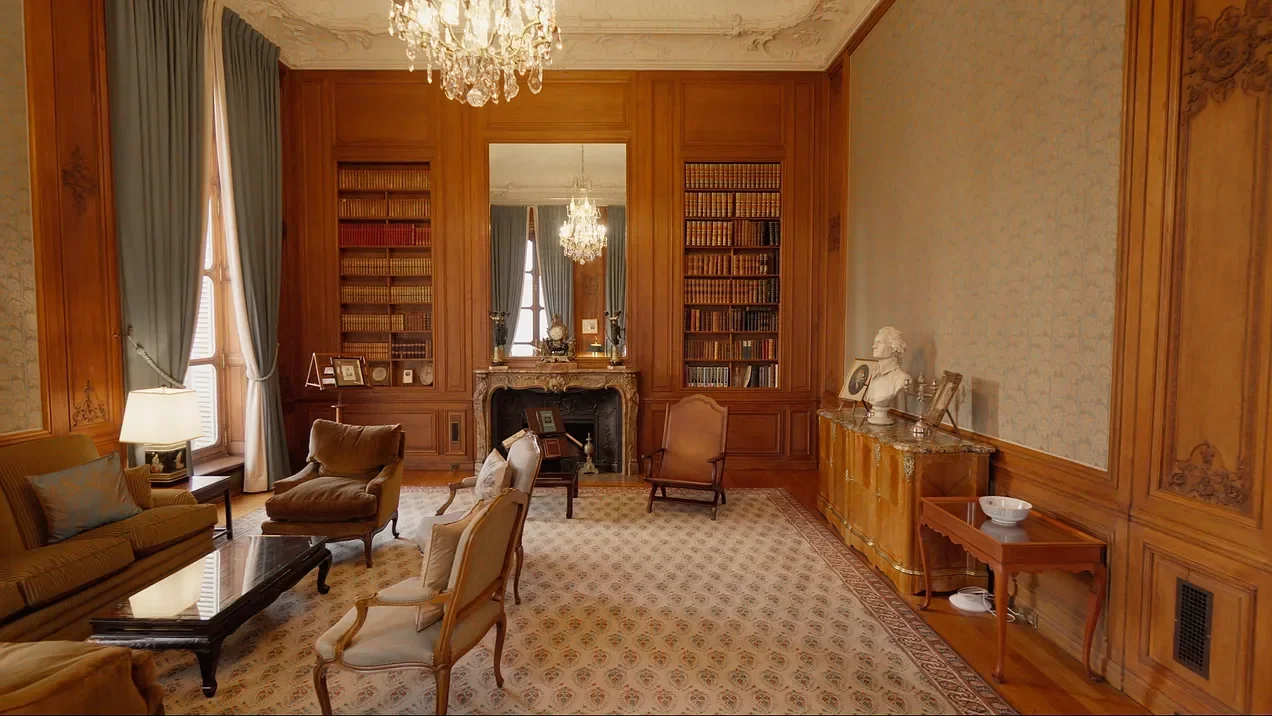
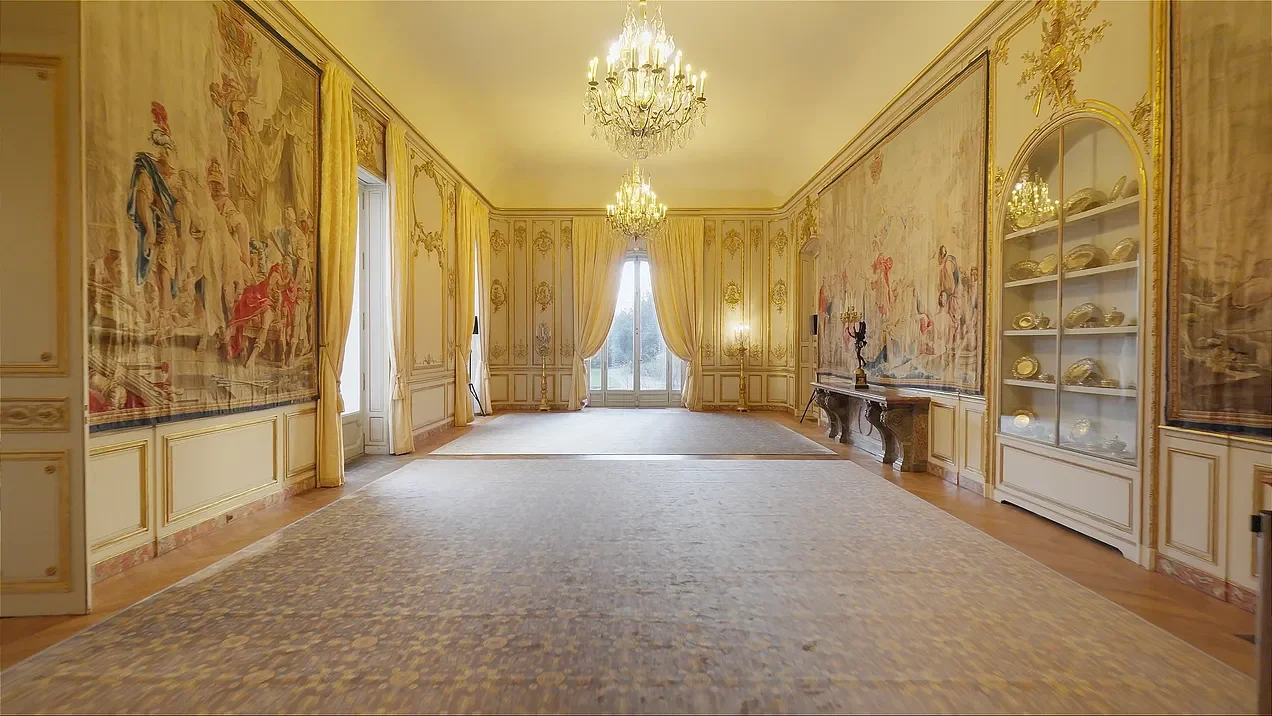
In 2013, I had the extraordinary privilege of staying at the US Ambassador's Residence in Paris, where I slept in a room with sweeping views of the city's iconic skyline. This architectural masterpiece—a 19th-century mansion located at 41, rue du Faubourg Saint-Honoré in the 8th arrondissement—stands as a testament to Parisian grandeur. Completed in 1885 by architect Ernest Sanson (with earlier work by Louis Visconti on the property), the building first belonged to the formidable Baroness de Pontalba. After her death, it passed to the Rothschild family, whose elegance still seems to echo through its gilded halls.
The mansion's history took a darker turn during World War II, when German forces seized it and converted it into an officers' club for the Luftwaffe. After the war, the American government purchased the residence in 1948, transforming it into a symbol of Franco-American friendship and cultural exchange.
Since then, these rooms have welcomed an impressive roster of guests—presidents and designers, diplomats and artists. Barack Obama, Michael Kors, Ralph Lauren, and Anna Wintour have all walked these corridors. But perhaps the most touching artifact remains on the second floor: the small bed where Charles Lindbergh rested after his legendary 1927 transatlantic flight. Alone and exhausted, he had piloted the Spirit of St. Louis nonstop from New York to Paris, and this modest bed became his first haven after making history.
My own night there felt like stepping into that history. I remember the canopy-covered bed, the tall windows framing the Parisian rooftops, the weight of all those stories held within those walls. I remain deeply grateful to former Ambassador Charlie Rivkin for his hospitality.
Even now, years later, I sometimes dream myself back into that room—feeling the soft weight of the canopy above, watching the city lights shimmer beyond the glass. It's a memory I treasure, a moment suspended in time, never to be forgotten.
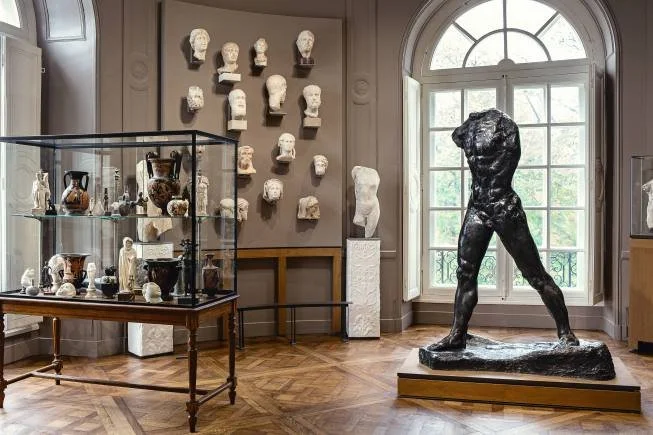
Musée Rodin - and a note on ‘the thinker’
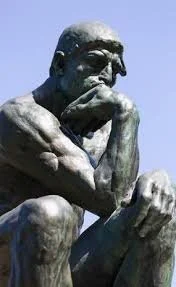
Musée Rodin is a must do, manageable experience, thus window into some of Paris’ art treasures - most significantly The Thinker. When conceived in 1880 in its original size (approximately 70 cm) as the crowning element of The Gates of Hell, seated on the tympanum, The Thinker was entitled The Poet. He represented Dante, author of the Divine Comedy which had inspired The Gates, leaning forward to observe the circles of Hell while meditating on his work. The Thinker was therefore initially both a being with a tortured body—almost a damned soul—and a free-thinking man, determined to transcend his suffering through poetry. The figure's pose owes much to Jean-Baptiste Carpeaux's Ugolino (1861) and to Michelangelo's seated portrait of Lorenzo de' Medici (1526-31).
While remaining in place on the monumental Gates of Hell, The Thinker was exhibited individually in 1888, thus becoming an independent work. Enlarged in 1904, the colossal version proved even more popular. This image of a man lost in thought—yet whose powerful body suggests a great capacity for action—has become one of the most celebrated sculptures in history.
Numerous casts exist worldwide. Among the most notable: the version now in the gardens of the Musée Rodin in Paris; another gifted to the City of Paris and installed outside the Panthéon in 1906; and the cast in the gardens of Rodin's house in Meudon, where it stands on the tomb of the sculptor and his wife.
Louvre
The scale of the Louvre is staggering—so vast that art historians are permitted to check out and study an individual artwork only once. This massive museum houses the most extensive art collection in the world, spanning more than 4,000 years of human creativity. From the ancient civilizations that gave birth to art as we know it, through the glories of Greek and Egyptian sculpture, to Renaissance masterpieces and French royal treasures, the Louvre contains multitudes. Here you'll encounter Leonardo da Vinci's enigmatic portraits, the timeless beauty of the Venus de Milo, works by the French masters, jewels of the Italian Renaissance, and even the royal crowns of French emperors and kings.
A day at the Louvre is a highlight of any trip to Paris, the City of Art. While the museum truly deserves a full day to do it justice, the most efficient approach is to begin with a priority-access tour that bypasses the famously long queues. These guided tours provide essential context and help you navigate the museum's labyrinthine layout. Once your tour concludes, you're free to explore the museum's fascinating departments at your own pace, lingering over works that captivate you.
When exhaustion sets in—and it will—take a break at one of the museum's cafés for a leisurely lunch, allowing yourself time to absorb all you've seen before continuing your journey through centuries of artistic achievement.
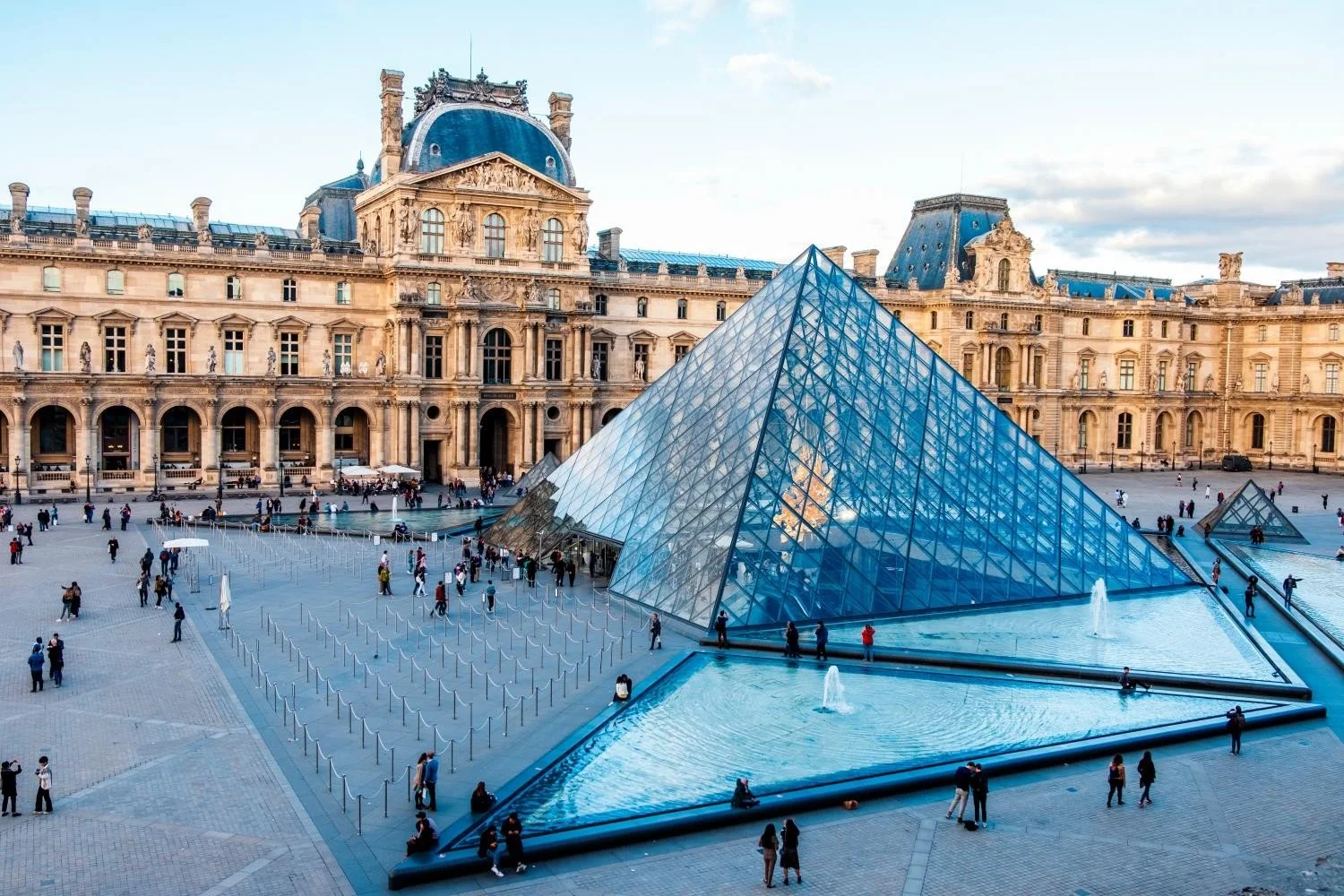
The Louvre, Paris, France
My mother gifted me rare books, photography volumes, and historic family letters that traced my father's heritage—roots that stretched from Louisiana across the Atlantic to France. Within those pages, ancestors emerged as professors and generals, landowners and merchants. Many were also talented writers, deep thinkers, and even pioneers of early photography. By 2013, I felt a profound pull to walk the land my father's people once knew and to immerse myself in museums and curated exhibitions devoted to documentary photography—a medium of visual storytelling I had come to both admire and master. The journey was equal parts pilgrimage and professional pursuit, a convergence of bloodline and passion.