Asheville's River Arts District: A Visitor's Guide
Asheville's River Arts District (RAD) is a thriving creative community that welcomes visitors year-round. Set along the French Broad River in a stretch of converted historic warehouses and mills, the district is home to hundreds of working artists showing their work in studios, galleries, and collectives.
Despite the impact of Hurricane Helene, the RAD has come back strong. Studios have reopened, displaced artists have found new spaces, and the creative energy that makes this district special is returning full force. Visit working studios, browse galleries, meet the makers, and support Asheville's resilient art community. You'll find friendly, world-class artists who love walking visitors through the process behind their work. After hearing the story behind a piece, you can take home a one-of-a-kind souvenir and start or grow your own art collection — with something in every price range.
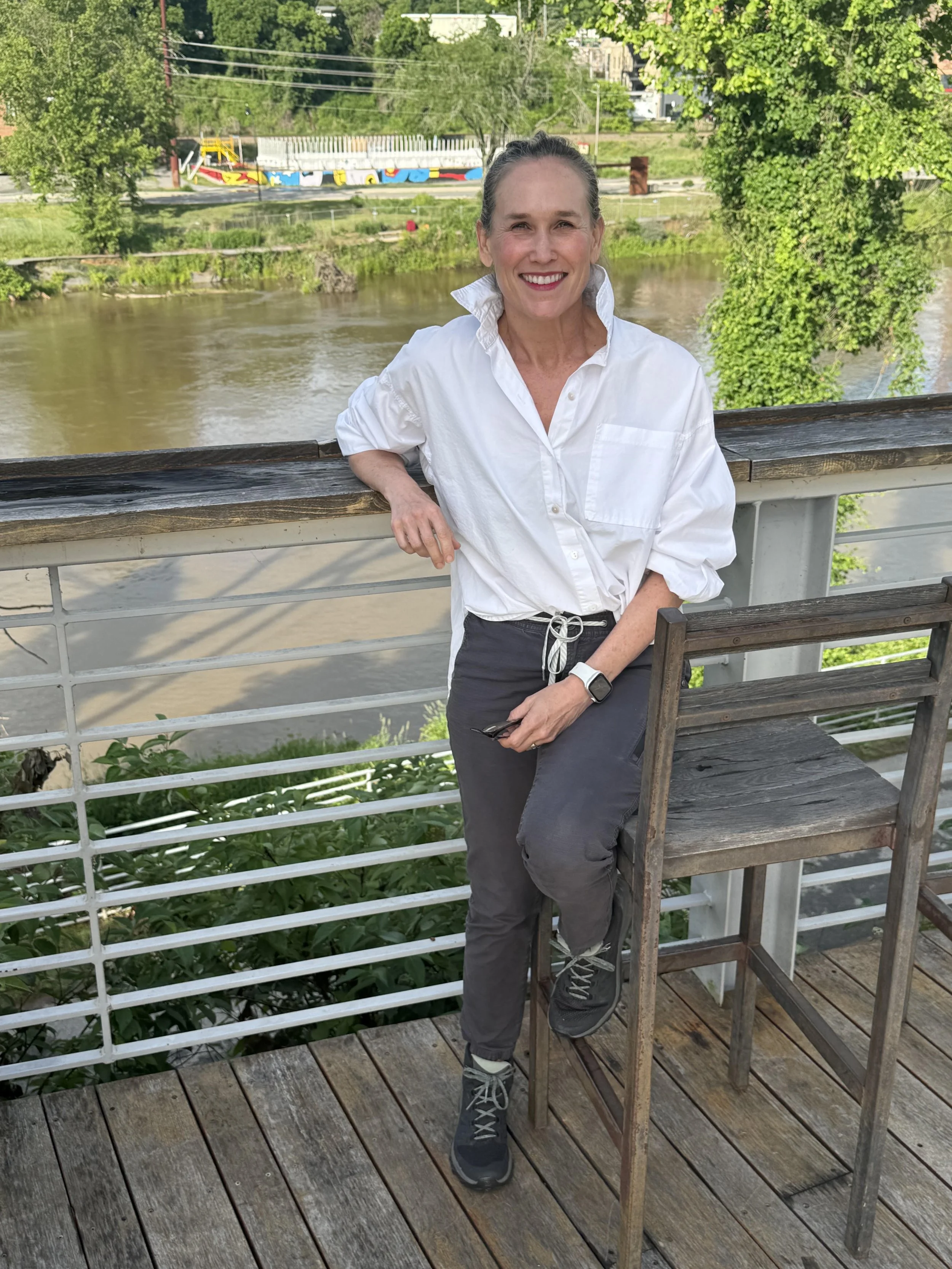
“I've always been drawn to the freedom of graffiti artists. More rebels than creatives, they defy every rule the art world tries to impose — system, style, subject matter, medium, none of it applies. There's no gallery gatekeeping their vision, no curator deciding what counts.
With spray paint and pencil in hand, their masterful works stretch across the globe: from Sète, France to Naples, Italy; from Havana, Cuba to Los Angeles; from Miami to the railroads along the Hudson River, New York. Each city writes its own dialect of color and chaos, yet the language underneath is the same — raw, unfiltered, alive.
Graffiti is accessible to anyone — any demographic, any background — patient and willing to take the time to actually look, to experience it rather than just pass by. It doesn't ask for permission. It just exists, boldly, in the spaces we walk through every day." - Rebekah Jacob
Getting There & Must Do’s
The RAD is open and welcoming visitors back to explore reopened galleries, working studios, and local businesses following an impressive recovery effort after Hurricane Helene. More than 70% of the district's businesses and studio spaces are up and running again — a real testament to this creative community's resilience. Before you go, it's worth checking the latest visitor updates from Explore Asheville for any current closures or detours.
The RAD sits just a few miles from downtown Asheville and the Biltmore Estate, making it an easy add-on to any Asheville itinerary. A good place to start is Riverview Station at 191 Lyman Street, home to dozens of artists including 310 Art, or St. Claire Art at 344 Depot Street — both offer ample parking.
Most artists welcome visitors throughout the week, with more studios open on Fridays and Saturdays; fewer are open during the slower January–March stretch. Every Saturday, the Upper RAD comes alive with the Saturday Art Market, where displaced RAD artists set up at Pinegate Renewables (130 Roberts St) from 10 AM to 5 PM. Studios and galleries throughout the district are open as well, including Warehouse Studios and Foundation Woodworks.
Top spots to visit:
Cotton Mill Studios — 122 Riverside Dr, Ste D. The historic Asheville Cotton Mill building is lit up again — walk the halls and meet makers in their active studio spaces. (Website)
North Carolina Glass Center — 140-C Roberts St. This studio and gallery features glassblowing demonstrations alongside vases, sculptures, and lamps for sale. (Website)
Clayspace Co-op — 119A Roberts St. A working pottery collective where you can browse and buy unique handmade ceramics. (Website)
Hi-Wire Brewing RAD Beer Garden — 284 Lyman St. Grab a local craft beer at this popular gathering spot, rebuilt after months of hard work following the storm. (Website)
Look for the district's signature "River Arts District" sandwich board signs along the small triangle of streets that make up the RAD — Clingman, Depot, Haywood, Lyman, Riverside, and Roberts. A downloadable map is available on the River Arts District website.
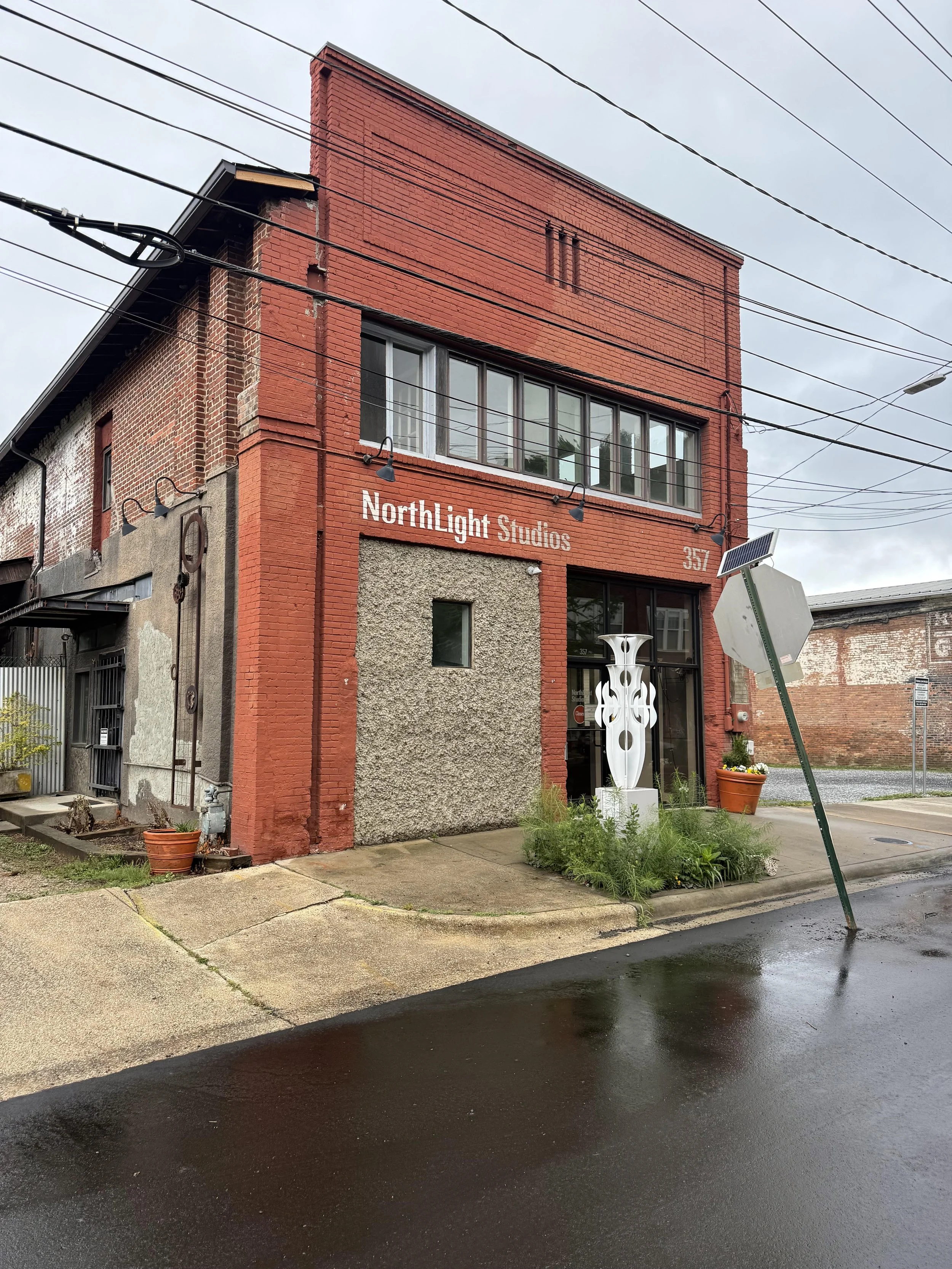
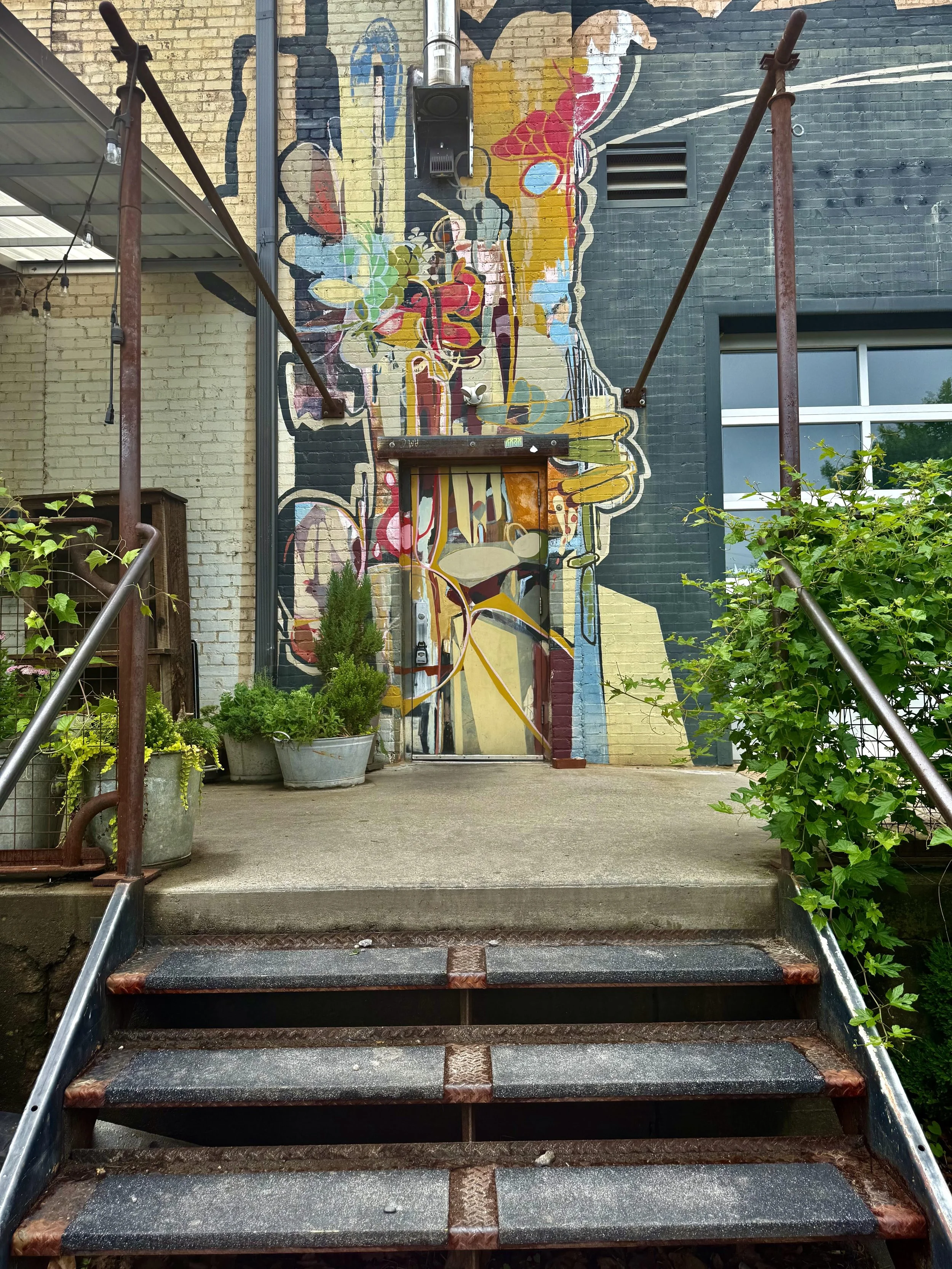
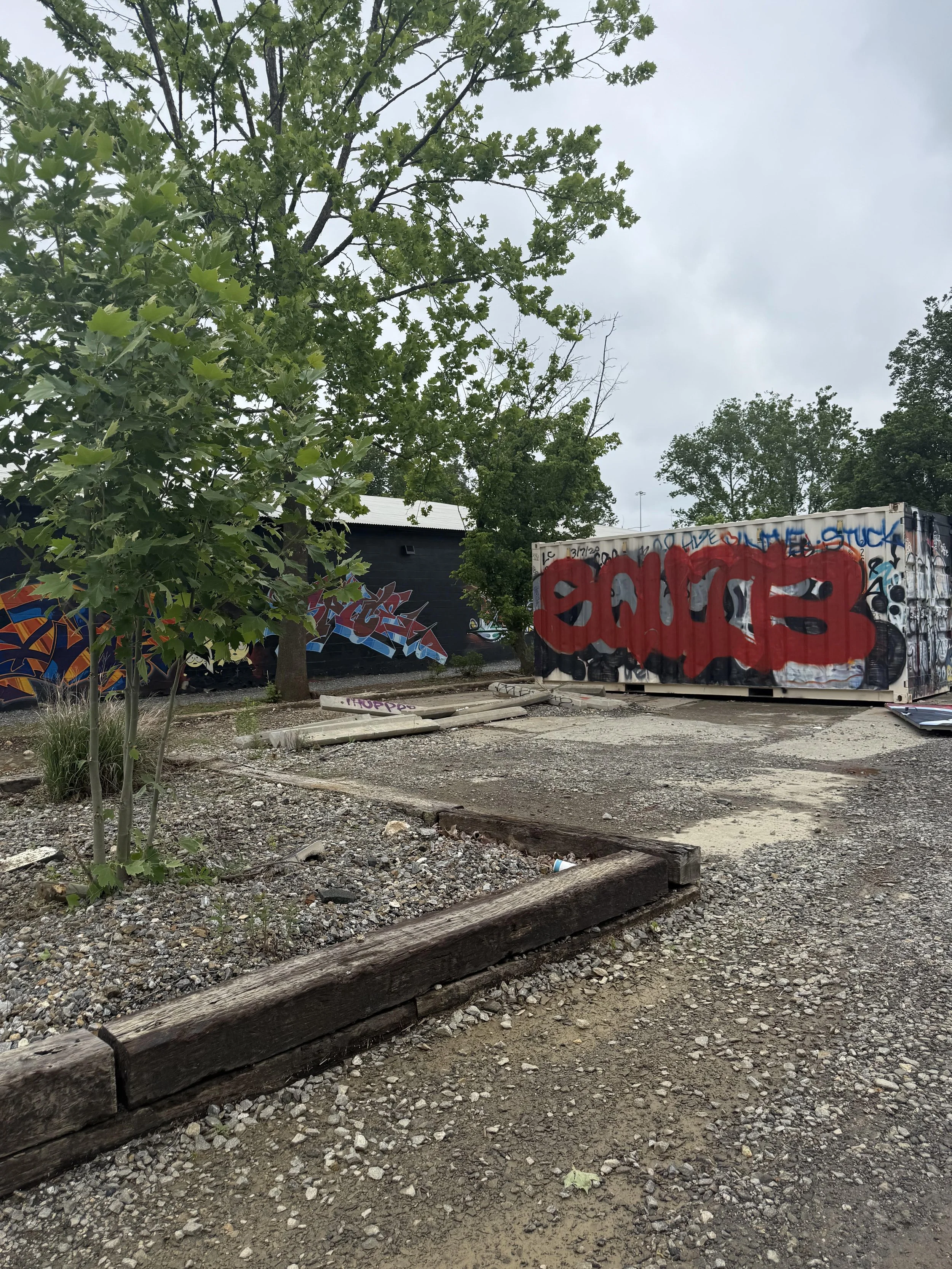
The Art of Graphite
In the River Arts District, art doesn't stay contained behind studio doors. Building facades double as canvases, sculptures appear on sidewalks and tucked into alcoves, and new murals go up regularly. Keep a camera handy as you walk or drive through — you'll be greeted by art at every turn, created by a community that clearly loves making it, indoors and out.
Amid the district's painters, glassblowers, potters, and metalworkers, graphite is one of the quieter mediums worth seeking out. Graphite artists work in pencil — building up tone, texture, and shading through layered strokes rather than color — to create anything from hyper-realistic portraits and wildlife studies to loose, expressive sketches of the Blue Ridge landscape. It's a medium that rewards a close look: the depth artists achieve with nothing but graphite and paper can be startling up close, especially in portrait and nature work where fine detail carries the piece.
Several RAD studios welcome visitors to see graphite drawing in progress and to try their own hand at it. ArtPlay Studio, for instance, sets out large sheets of paper and graphite alongside inks and pastels so visitors can experiment with mark-making themselves — a great way to appreciate just how much control and patience the medium demands. Because graphite work is typically one-of-a-kind and often smaller in scale than paintings or sculpture, it's also one of the more accessible ways to start an art collection without a large budget.
If you're drawn to fine detail and subtle shading, ask any studio host to point you toward the district's graphite and pencil artists — RAD's tight-knit artist community is happy to make introductions.
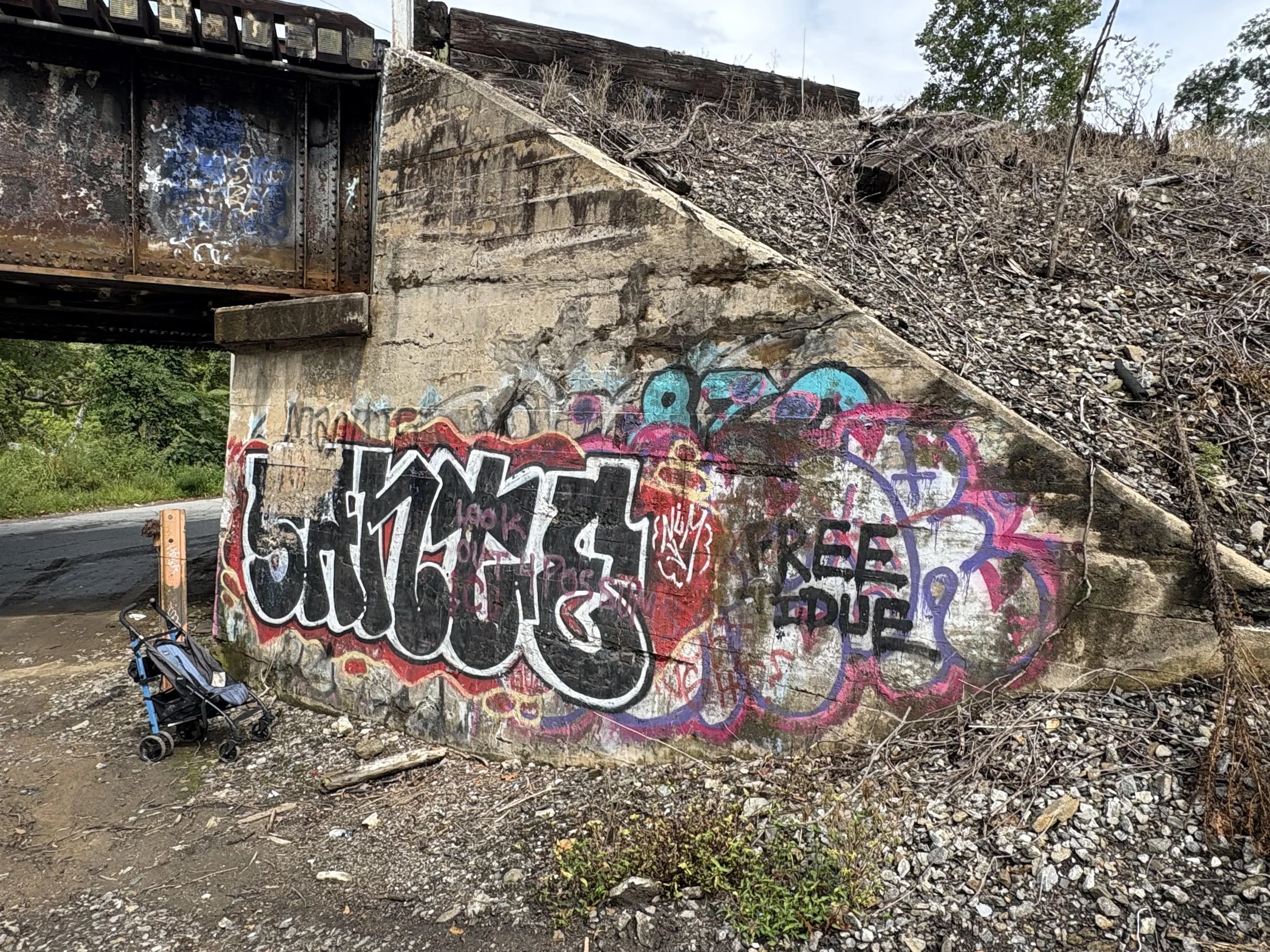
Photo credit: Dan Henderson, Jr.
Tips for Exploring the River Arts District
Pick up a map at any studio to help you navigate — artists are spread across roughly a one-mile stretch, so exploring feels a bit like a treasure hunt.
Walk to many studios, but plan to drive between clusters; sidewalks are limited in places. Parking is free but can be tight, especially on weekends.
Purchase art on any budget. Most artists pair a working studio with a gallery space, so you can see how a piece is made and then purchase it on the spot. Wednesday–Saturday tends to be the best window to catch artists actively working, though many studios are open seven days a week (typically 10 AM–5 PM) year-round.
Don't be shy — ask questions, and don't hesitate to touch and handle pieces where invited. It's a close-knit community, and artists are happy to point you toward a colleague's studio if you're looking for something specific.
Consider booking a hands-on art workshop or class if you want to try a medium yourself, whether that's throwing clay, blowing glass, or sketching in graphite.
Meet the Artists — Walk creative corridors like Depot Street, Lyman Street, and Roberts Street to watch artists at work in real time.
Support Local Shops — Buy original paintings, drawings, jewelry, and crafts directly from the people who made them.
Look for Murals — Enjoy the colorful wall art and murals that still line the neighborhood's streets and alleyways.
Stroll the Greenway — The paved Wilma Dykeman Greenway runs alongside the river through the district and features public artwork along the way.
Time it for Second Saturday — Many RAD studios group together for a monthly Second Saturday Art Stroll, a great way to see a wide range of techniques and meet several artists in one visit.