Barcelona, Spain: Centuries of Creative Innovation
Barcelona refuses to be just one thing. Perched on the northeastern edge of the Iberian Peninsula where the Mediterranean meets Catalonia, Spain's second city pulses with a creative restlessness that has defined it for centuries. This is where medieval Gothic quarters give way to Modernista fantasies, where Gaudí's melting architecture challenges every assumption about what buildings should be, where fierce Catalan identity coexists with cosmopolitan openness, and where the weight of two thousand years of history somehow feels less like a burden than fuel for constant reinvention.
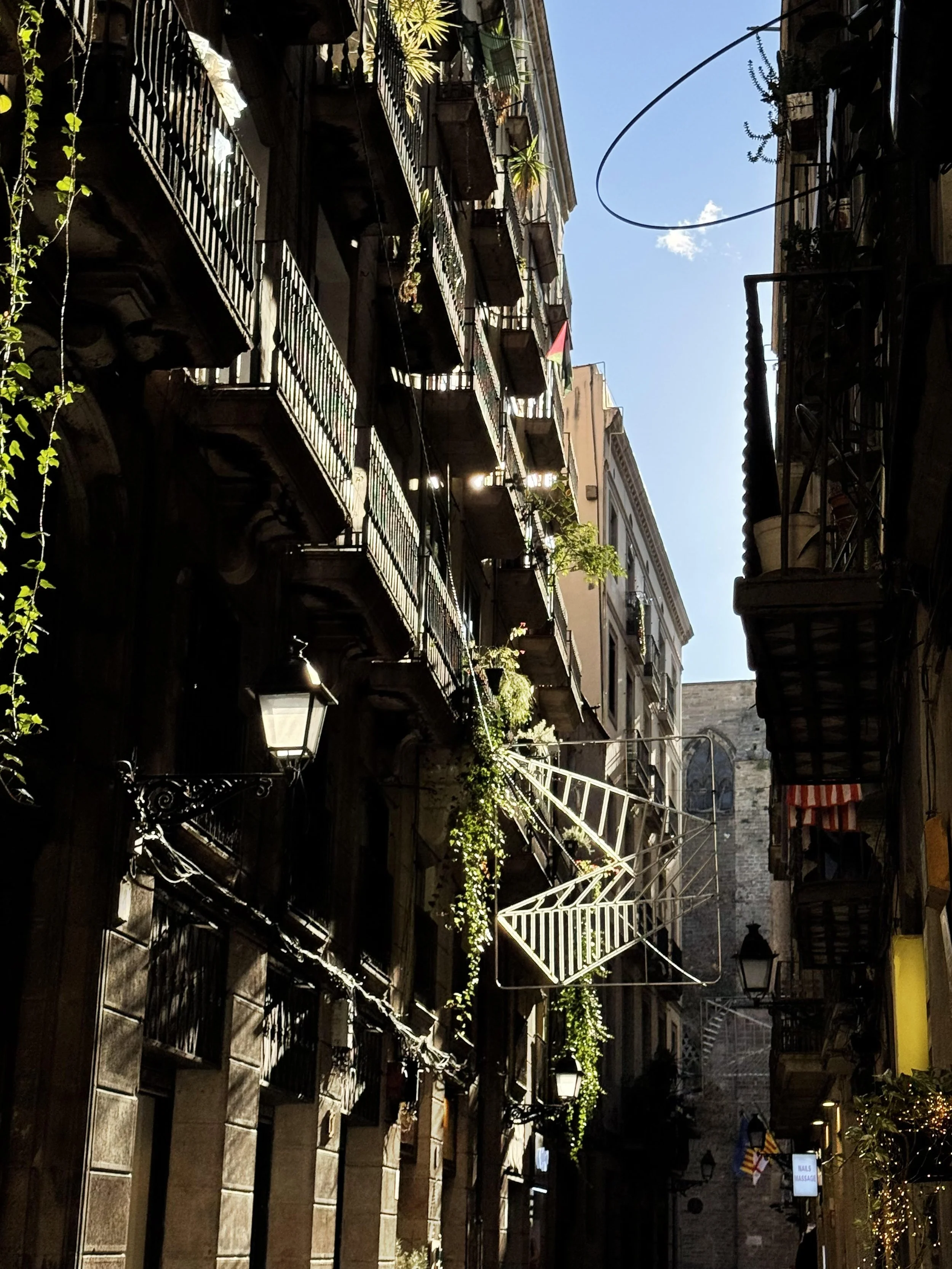
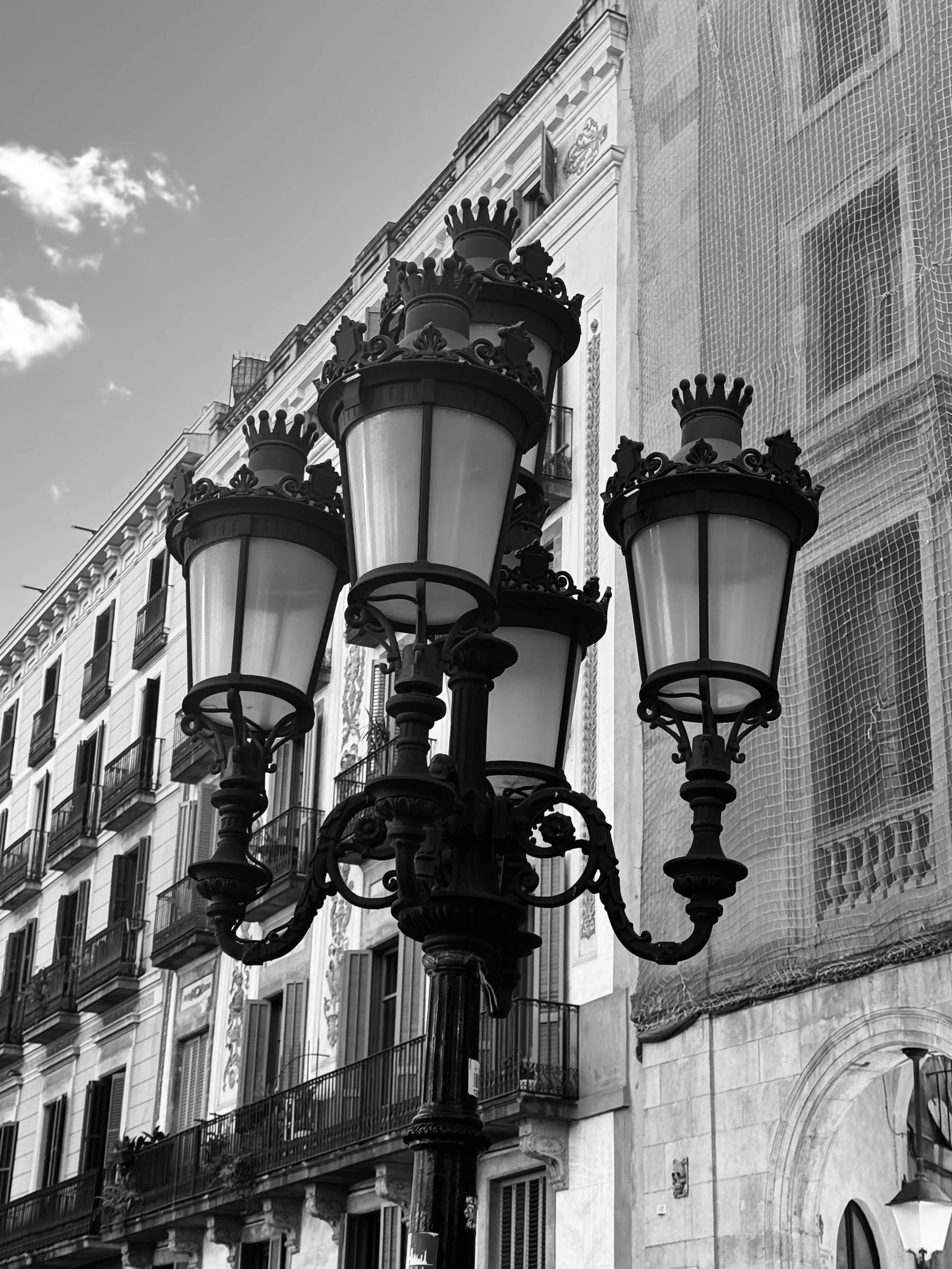
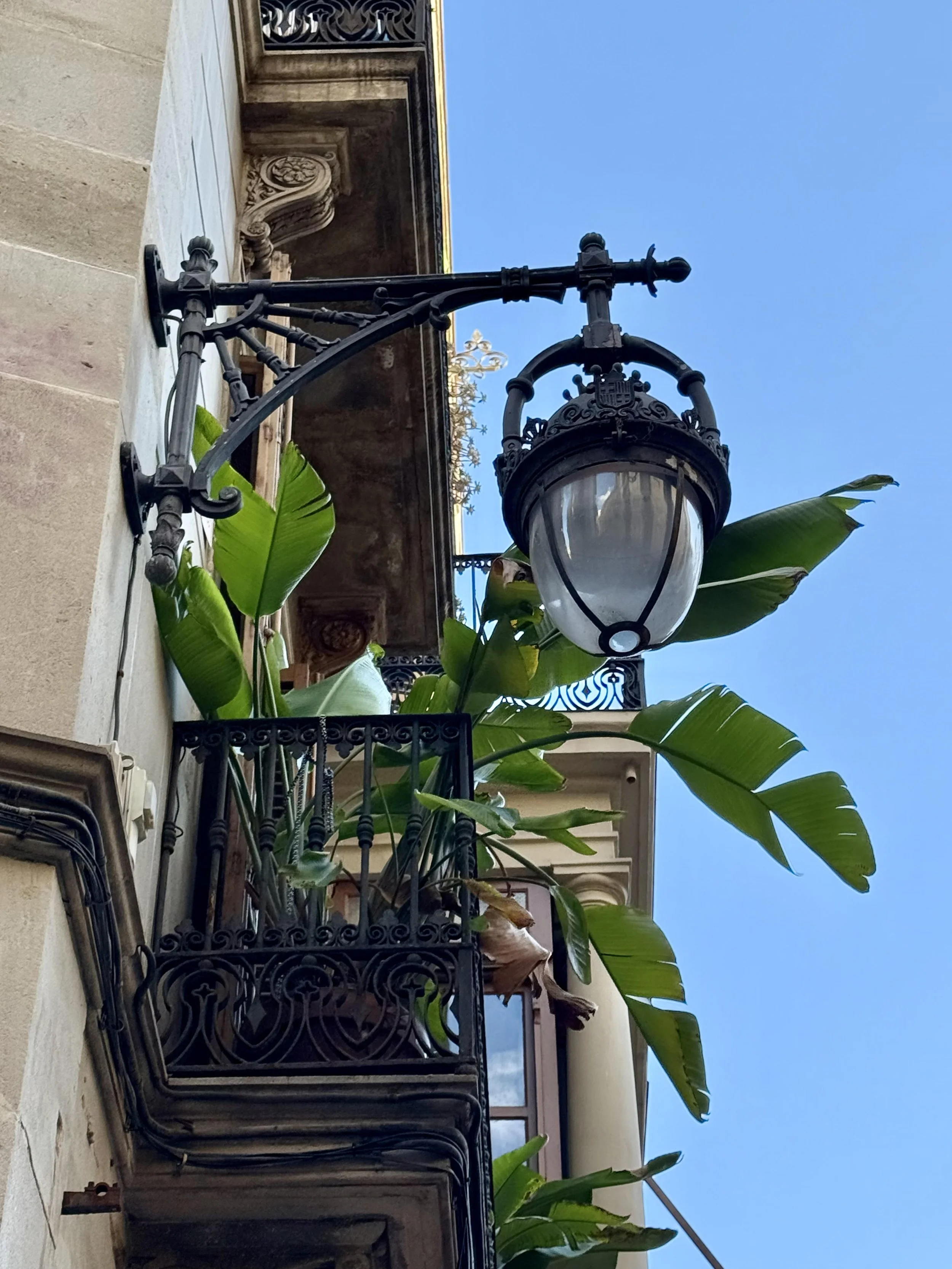
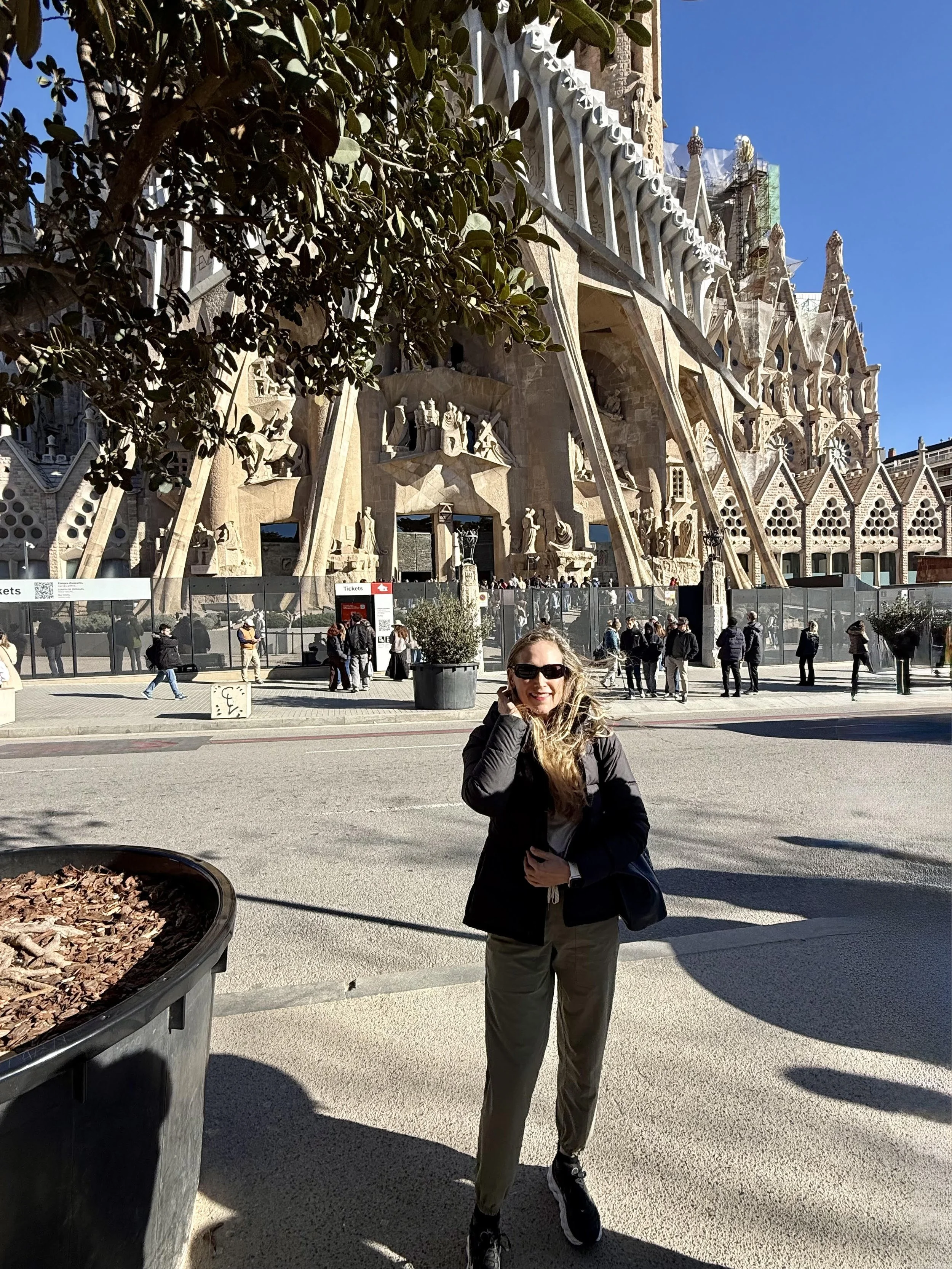
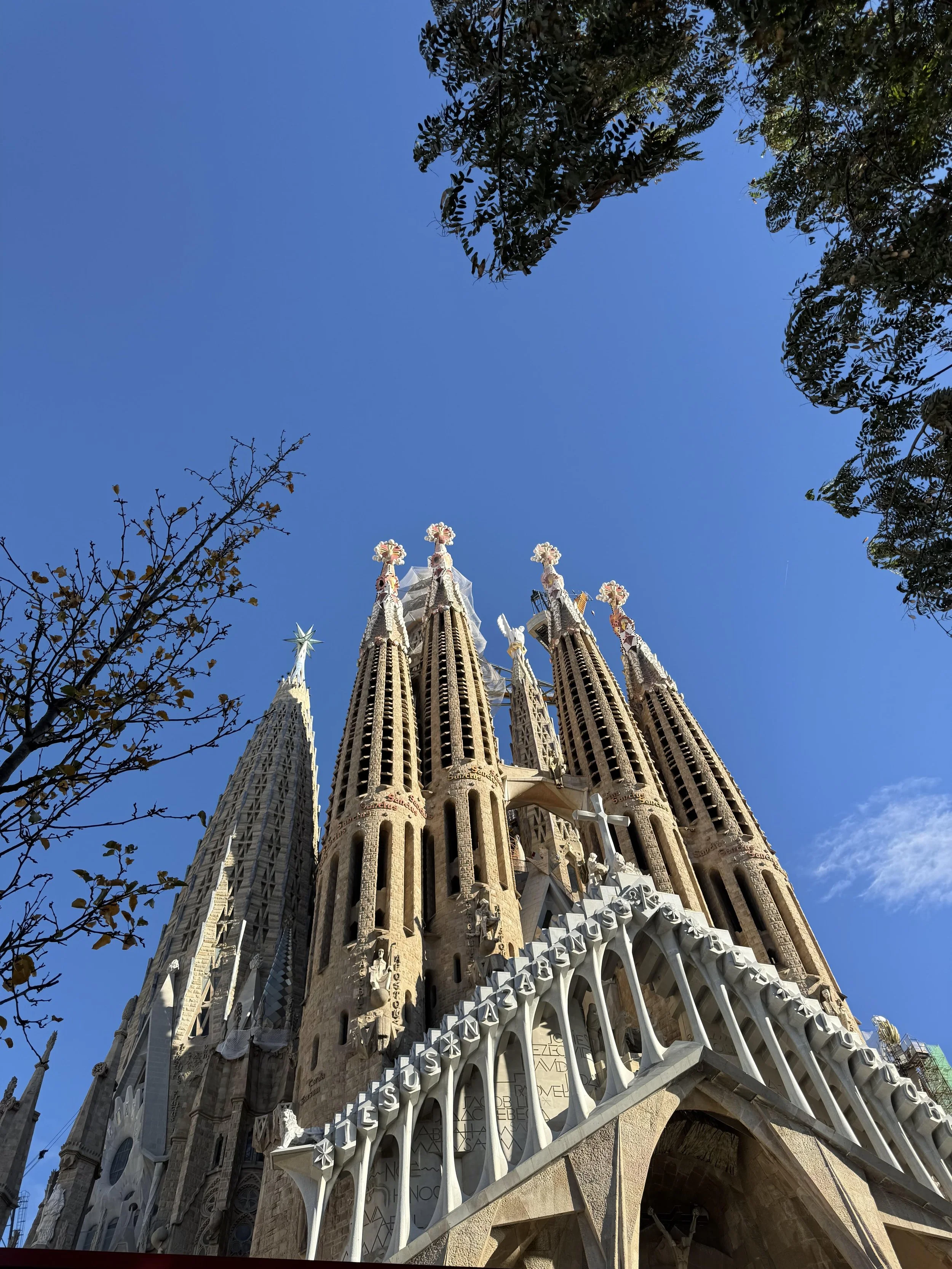
Barcelona's architecture is a vibrant mix of ancient Roman, Gothic, and innovative Modernisme (Catalan Art Nouveau) styles, dominated by Antoni Gaudí's fantastical creations like the Sagrada Família and Park Güell, alongside medieval structures in the Gothic Quarter and contemporary works, showcasing a rich history from Roman roots to modern innovation. The city's distinct look comes from the late 19th-century boom when its medieval walls fell, allowing Modernisme to flourish with curved lines, nature motifs, and colorful mosaics.
Walks About the City
Walk down La Rambla and you're tracing the path of an ancient stream bed, now paved over and transformed into Barcelona's most famous boulevard—a river of humanity flowing between the old city and the sea. Turn into the Barri Gòtic and suddenly you're navigating Roman walls and medieval lanes so narrow that laundry strung between balconies nearly touches overhead. Head to the Eixample and the city opens into a grid of chamfered blocks, each intersection a small plaza, the whole district a 19th-century urban planning experiment that somehow worked. Everywhere, the tension between preservation and innovation plays out in real time.
But it's the architecture that truly sets Barcelona apart. Antoni Gaudí didn't just design buildings here—he conjured fever dreams in stone and tile, creating structures like the Sagrada Família that seem to grow organically from the earth rather than being constructed by human hands. His contemporaries—Domènech i Montaner, Puig i Cadafalch—were equally audacious, filling the city with buildings that twist Art Nouveau into something uniquely Catalan, more daring and colorful than anything happening in Paris or Vienna. Walk any street in the Eixample and you're likely to stumble across a doorway festooned with wrought iron and broken tile mosaics, a reminder that in Barcelona, even ordinary apartment buildings aspired to art.
The Mediterranean defines the city as much as any architect. Barcelona turned its back on the sea for much of the 20th century, the waterfront given over to industry and docks. Then came the 1992 Olympics and a wholesale reinvention—beaches where there had been warehouses, a boardwalk stretching for miles, the entire city reoriented toward the water that had always been its fortune. Now locals and visitors alike crowd the beach at Barceloneta, the W Hotel rising like a sail against the sky, the city finally embracing its identity as a maritime capital.
Catalan pride runs through everything. The language appears on every sign, spoken in every café, a quiet assertion of identity that predates Spain itself. You'll see the senyera—the red and yellow striped flag—hanging from balconies, and during festivals the city erupts in castelleres (human towers), sardana dancing, and correfocs (fire runs) that connect contemporary Barcelona to traditions centuries old. This isn't folklore preserved in amber but living culture, fiercely protected and constantly evolving.
Barcelona also lives in its neighborhoods, each with its own distinct personality. Gràcia feels almost village-like, its small plazas and independent shops a world away from the tourist hordes. El Raval mixes grit and gentrification, its narrow streets home to vintage shops, Pakistani grocers, and cutting-edge galleries. Poblenou, the old industrial quarter, has transformed into a tech hub and artist enclave while still maintaining its working-class roots. And everywhere, the mercats—Boqueria, Santa Caterina, Sant Antoni—anchor communities with their stalls of jamón, seafood, produce, and the daily commerce of feeding a city.
This is a city that eats late and stays up later, where dinner at ten is early and the night is just beginning when midnight strikes. It's a city of vermouth and vermuteta, of pan con tomate at every meal, of markets overflowing with seafood pulled from the Mediterranean that morning. It's a city where Picasso spent his formative years, where Miró's mosaics dot the sidewalks, where the legacy of the Civil War still echoes in plaques and memories, where the struggle for independence simmers beneath the surface of daily life.
Barcelona won't leave you neutral. It's too ambitious for that, too colorful, too alive with contradictions. Come for Gaudí and stay for everything else—the beaches and the Gothic lanes, the Catalan cooking and the late-night energy, the sense that this city has always been slightly ahead of its time and slightly at odds with whatever tries to contain it. This is a place that has spent centuries dreaming in stone and tile, and those dreams have become the architecture of a city unlike anywhere else on earth.
Paella: A Valencian Soul in Barcelona
Let's start with a confession that might surprise visitors ordering paella at a beachfront restaurant in Barcelona: paella isn't from here. This rice dish that has become synonymous with Spanish cuisine was born about 220 miles south in Valencia, in the marshy wetlands of the Albufera lagoon where rice has grown since the Moors introduced it over a thousand years ago. The name itself comes from the wide, shallow pan—the paella or paellera—in which the dish is cooked over an open flame, traditionally made from orange or vine wood.
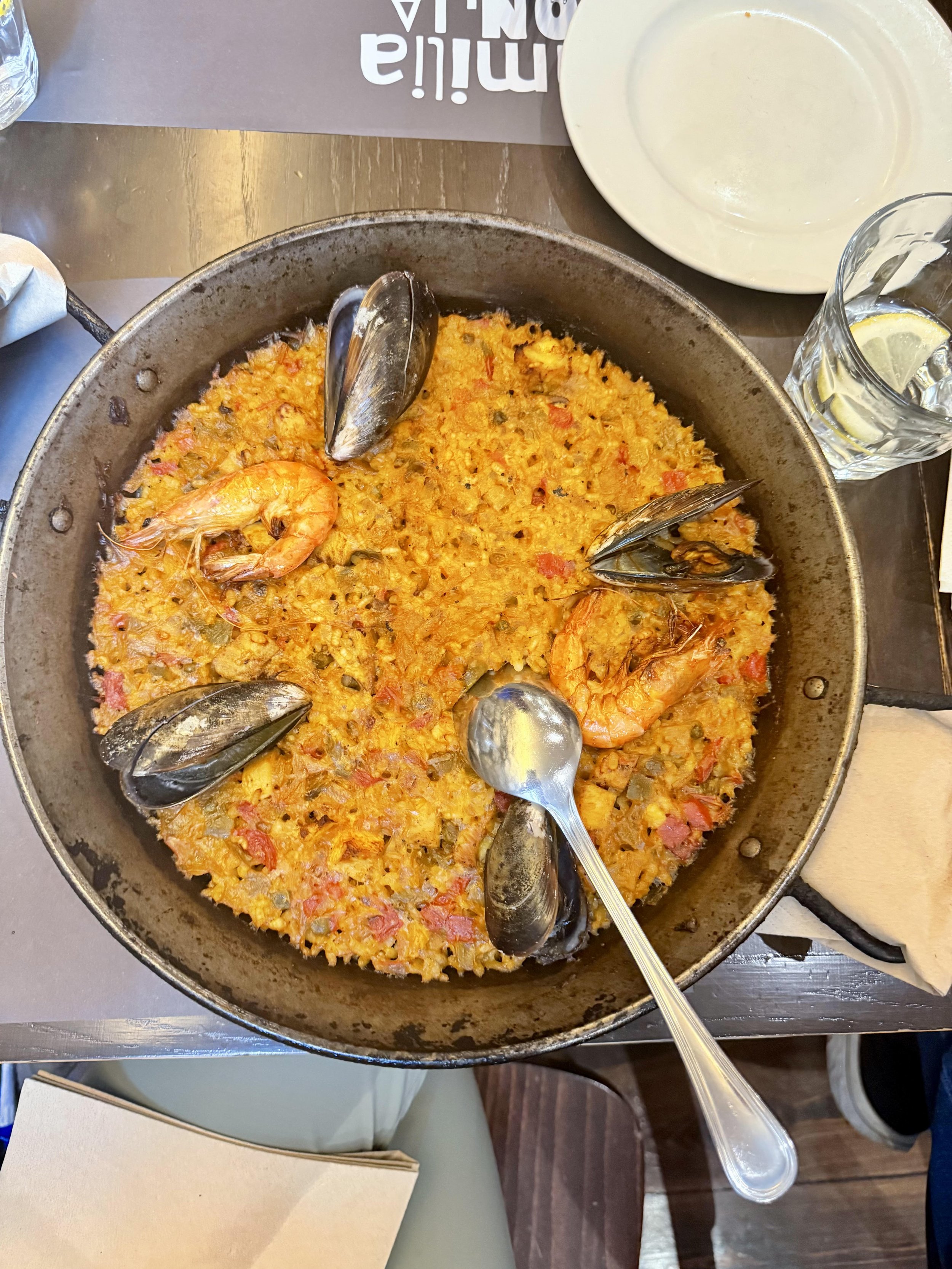
Traditional Valencian paella is a far cry from the seafood-heavy versions most tourists encounter. The original contains rabbit, chicken, sometimes snails, along with green beans (ferradura), butter beans (garrofó), and occasionally artichokes, all cooked with short-grain bomba or senia rice that drinks up a saffron-scented broth. The goal is socarrat—the caramelized crust of rice that forms on the bottom of the pan, a mark of a paella cooked just right. It's rustic farmer's food, cooked outdoors by men on Sundays, born from whatever the land provided rather than the sea.
Paella de marisco—the seafood version—came later, a coastal adaptation that swapped land animals for shrimp, mussels, squid, and fish. Then came paella mixta, combining meat and seafood in a way that makes Valencian purists wince. And somewhere along the way, as Barcelona became a global tourist destination, paella became the dish that every visitor expected to find, leading to countless mediocre versions served to undiscerning crowds along Las Ramblas and the beachfront.
But here's the thing: Barcelona, despite not being paella's birthplace, has embraced the dish and elevated it in ways that respect its origins while making it their own. The city's proximity to both Mediterranean seafood and Catalan farmland, combined with its culture of serious eating, means that if you know where to look, you can find exceptional paella—sometimes even better than what you'd encounter in tourist-heavy parts of Valencia itself.
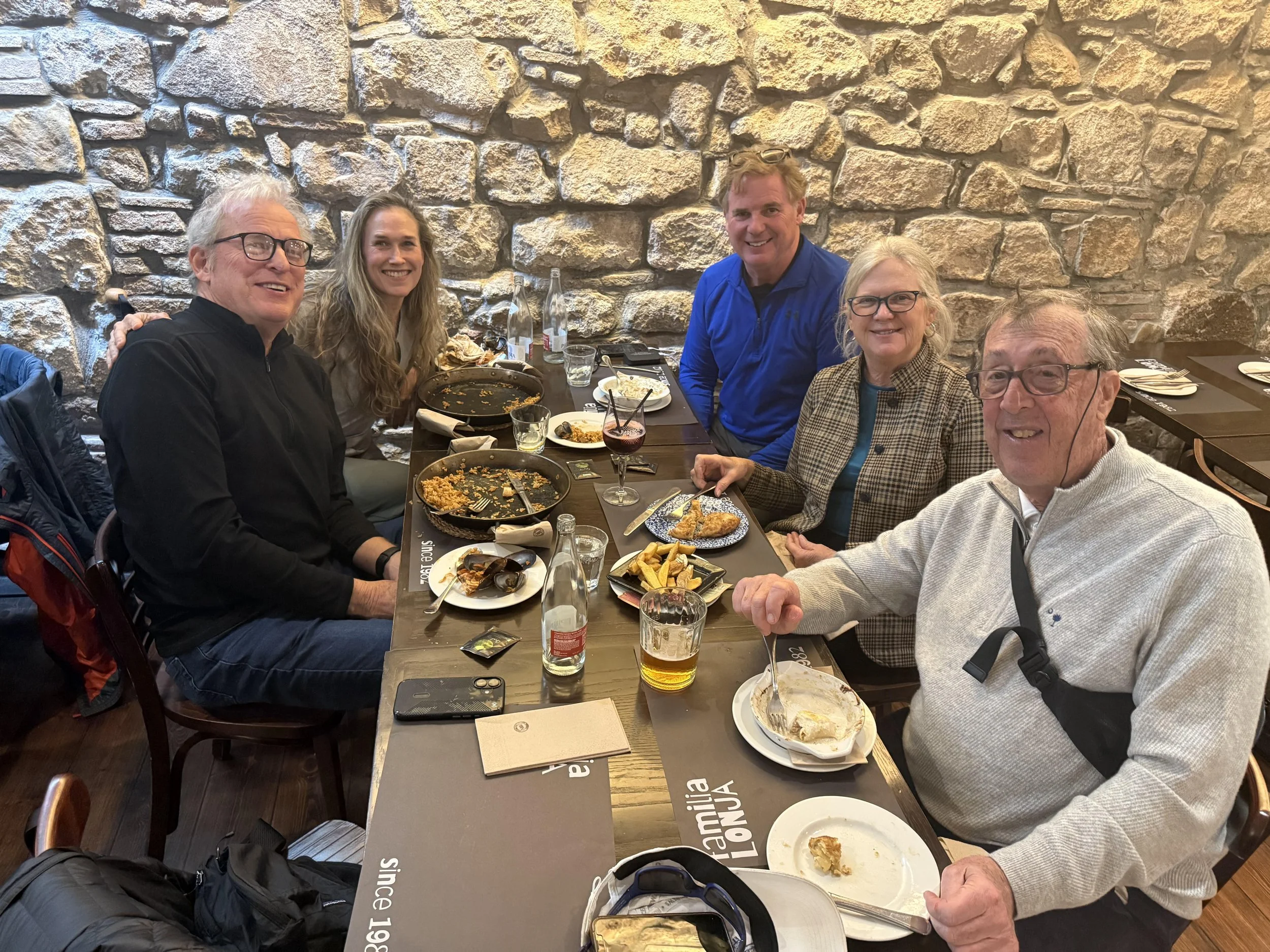
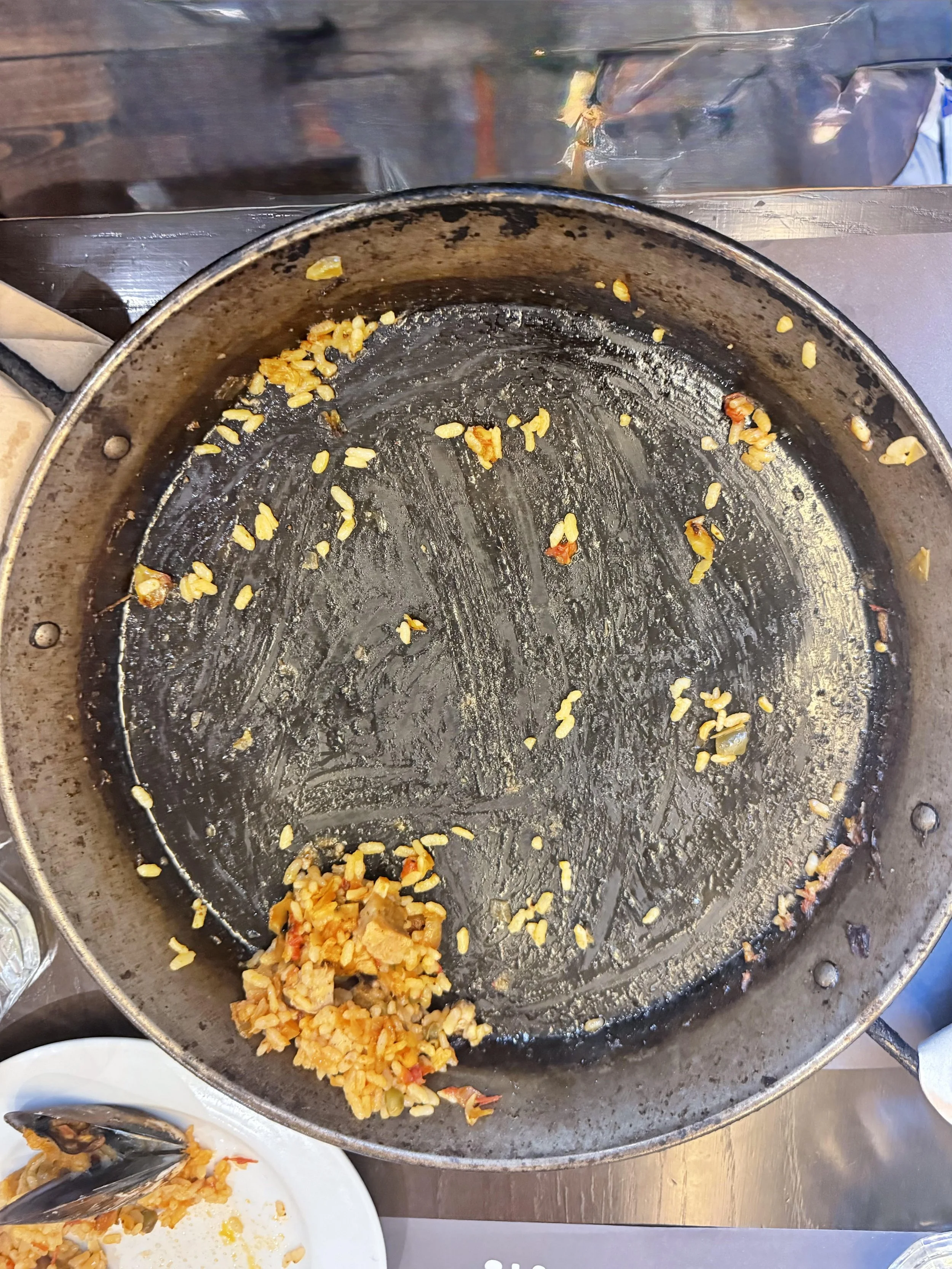
Where to Find Real Paella in Barcelona:
Can Solé in Barceloneta has been serving paella since 1903, back when this neighborhood was still a fishing village rather than a beach resort. This family-run restaurant occupies a traditional house just steps from the beach, its tiled floors and wooden beams unchanged for decades. Their arroz caldoso (soupy rice with lobster) and paella de marisco showcase the Mediterranean's bounty, cooked to order in individual pans. Expect to wait—good paella takes 20 to 30 minutes minimum—and expect to pay fairly for quality. The restaurant fills with locals at Sunday lunch, always a good sign.
7 Portes, founded in 1836, claims to be Barcelona's oldest restaurant still operating. Located near the port, this grand establishment with its chandeliers and attentive waiters serves multiple variations of paella, including their signature parellada—a Catalan rice dish cooked in the paella style but with its own distinct character. The atmosphere here is old-world Barcelona, the kind of place where businesspeople close deals over long lunches and families celebrate special occasions.
Xiringuito Escribà represents the beach paella experience done right. Perched on Bogatell beach, this family operation—an offshoot of the famous Escribà pastry dynasty—serves impeccable seafood paella and other rice dishes with your toes practically in the sand. The setting is casual, but the execution is serious. Their paella de bogavante (lobster paella) is a splurge worth making, the crustacean's sweetness infusing every grain of rice.
For a more contemporary take, Barraca in Barceloneta bridges tradition and innovation. Chef Toño Mateu, who trained at elBulli, brings modernist technique to traditional rice dishes without sacrificing soul. The restaurant's bright, beachy interior and open kitchen let you watch the paellas being prepared. They offer classic versions alongside creative interpretations, all cooked with respect for the fundamentals: good rice, proper broth, and that essential socarrat.
Els Pescadors in Poblenou occupies what was once a traditional fishermen's tavern. The neighborhood has gentrified around it, but this restaurant maintains its connection to Barcelona's maritime heritage. Their arroces (rice dishes) change with the seasons and the catch, and the chef isn't afraid to send diners elsewhere if the seafood isn't up to standard on a given day—the kind of integrity that's increasingly rare.
La Mar Salada, also in Barceloneta, keeps things simple and does them well. Small, unpretentious, with a menu that changes based on what's fresh, this neighborhood spot serves paella and other rice dishes to a mostly local crowd. The portions are generous, the prices reasonable, and the quality consistent—exactly what you want from a neighborhood restaurant that's been around for years.
For those willing to venture outside the city center, Can Culleretes in the Gothic Quarter holds the distinction of being Barcelona's oldest restaurant, operating since 1786. While not exclusively focused on paella, their traditional Catalan approach to rice dishes offers a window into how Barcelona has adapted Valencian traditions over centuries.
What to Know Before You Order
Real paella is never made to order for one person—the pan size and cooking method don't scale down. Legitimate restaurants require a minimum of two people, and you'll often get better results ordering for three or four. If a restaurant offers individual portions of paella, it's likely pre-made and reheated, a cardinal sin.
Timing matters. Paella is traditionally a lunch dish, cooked slowly over flame, meant to be eaten around two or three in the afternoon. Many of the best spots don't even serve it at dinner. If you're determined to have paella, plan your day around it rather than treating it as an afterthought.
Don't be afraid of rice dishes that aren't technically paella. Arroz negro (black rice with squid ink), arroz caldoso (soupy rice), and fideuà (made with short noodles instead of rice) are all worth trying and often showcase a kitchen's skills as well as any paella.
And finally: if you find yourself being aggressively solicited by someone trying to lure you into a restaurant with photos of paella in the window, especially near Las Ramblas or the most touristy stretches of Barceloneta, keep walking. Good paella restaurants don't need to chase customers. They're full of locals who know that some traditions—even borrowed ones—are worth honoring properly.
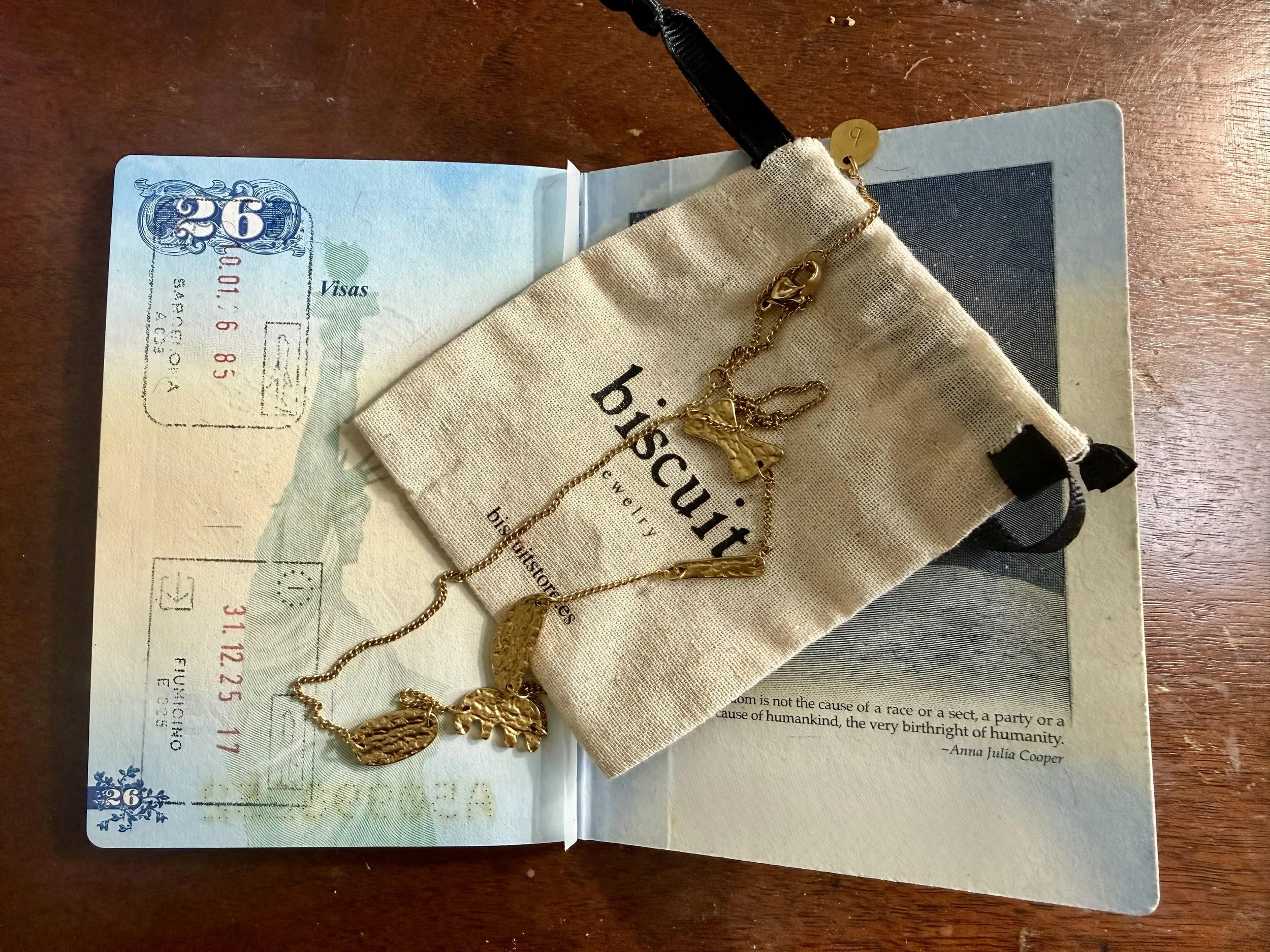
Barcelona doesn't fade quietly from memory. Long after you've returned home, you'll find yourself craving the particular chaos of La Boqueria at midday, the way Gaudí's architecture catches afternoon light and transforms it into something otherworldly, the taste of pan con tomate eaten at a marble bar counter while locals argue about football in rapid-fire Catalan. This is a city that operates on its own frequency—dinner at ten, beaches at midnight, Sundays devoted to vermouth and endless conversation—and once you've synced to its rhythm, everywhere else feels slightly off-tempo. You'll remember not just the landmarks that fill the guidebooks but the smaller moments: stumbling upon a hidden square in the Gothic Quarter where old men play dominoes beneath plane trees, watching castellers build human towers nine levels high, the way the city smells of salt air and strong coffee and possibility. Barcelona has always been a place that reinvents itself while staying stubbornly Catalan, that builds cathedrals meant to be finished in centuries rather than years, that turns everyday streets into open-air museums of architectural ambition. It's a city that believes beauty and creativity aren't luxuries but necessities, as essential as the Mediterranean that shaped it. And once Barcelona has worked its way into your bones—once you've walked its grid and gotten lost in its Gothic maze and stayed out far later than you intended—you'll understand why people don't just visit this city. They fall for it, hard and completely, and spend the rest of their lives plotting their return.