Good Music, Good Vibes: Why Charleston's Live Scene Is Worth Talking About
Charleston's music scene is having a moment — and honestly, it's been a long time coming. What was once a city better known for its culinary scene and historic architecture has quietly grown into a legitimate destination for live music, drawing world-class artists and nurturing homegrown talent in equal measure. From intimate venues tucked into the heart of downtown to open-air amphitheaters on Daniel Island, the Holy City has found its rhythm — and it shows no signs of slowing down.
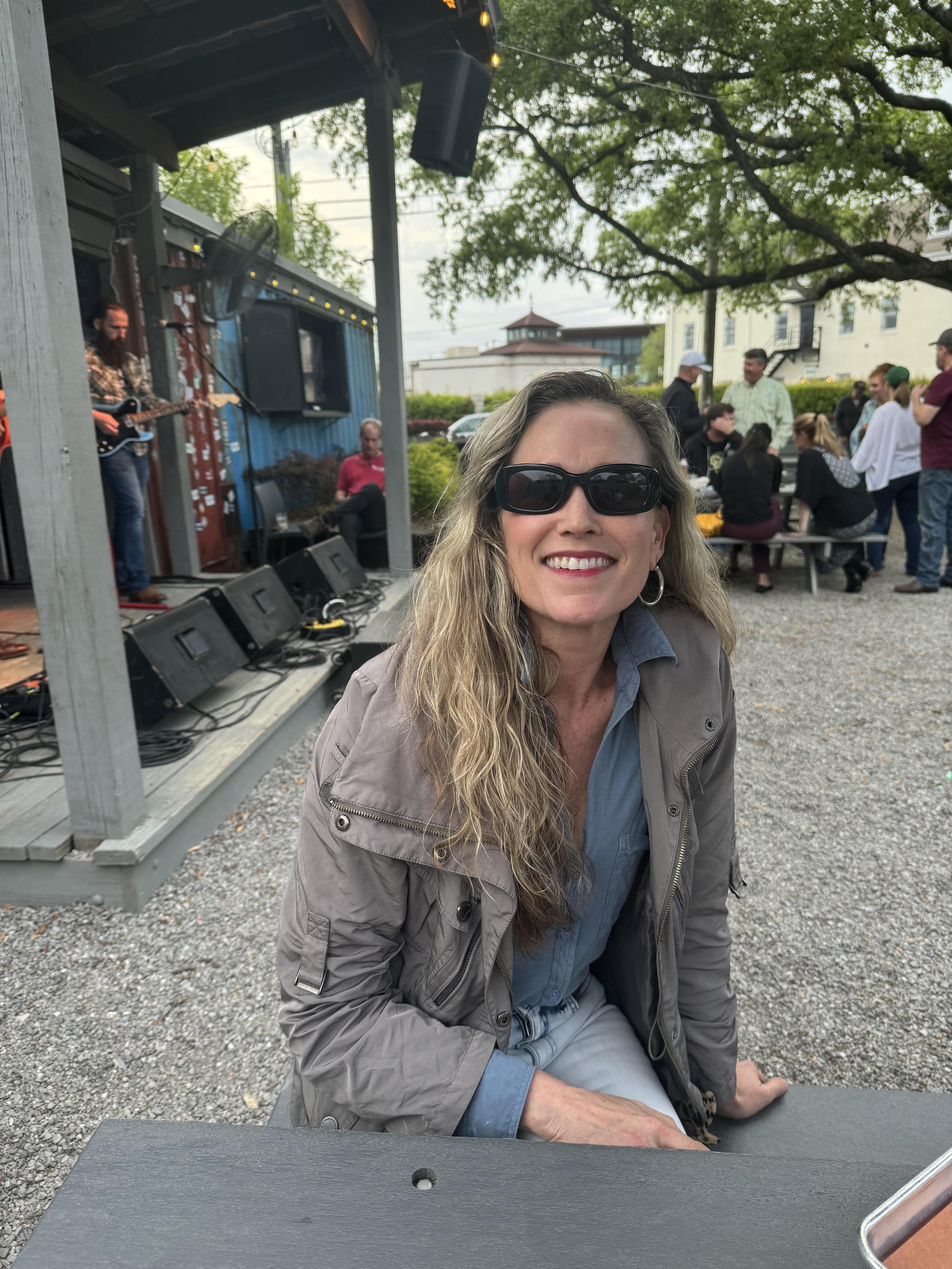
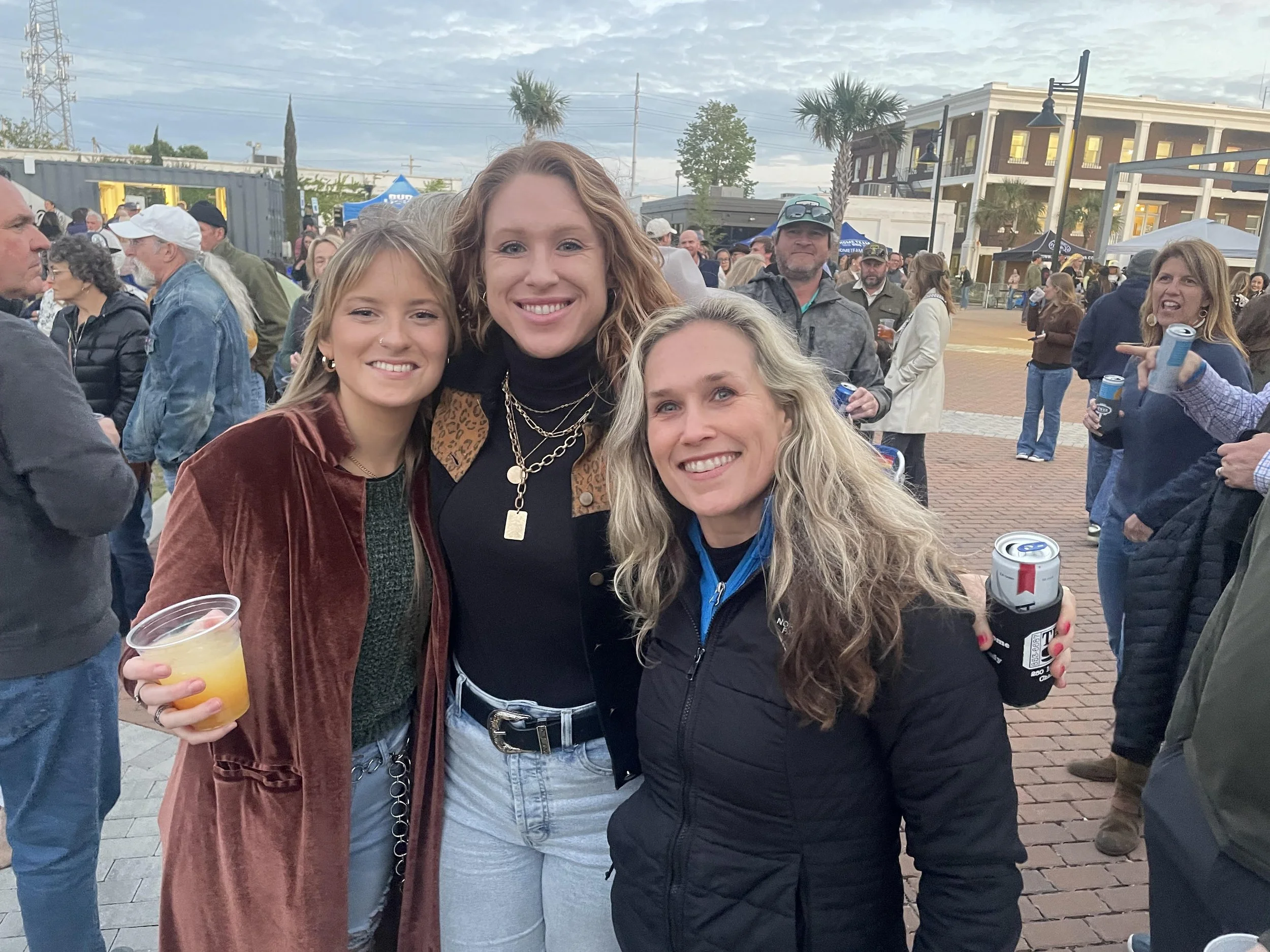
Out and about, Downtown Charleston, spring
Daniel Island's Credit One Stadium
If you've driven past Credit One Stadium at “DI” lately and noticed the parking lots full on a weeknight, you're not imagining things. Thanks to a recent expansion, the beloved Daniel Island venue has quietly become one of the most exciting concert destinations in the Lowcountry — and the momentum is only building.
The stadium, long known as the home of the Credit One Charleston Open, has stepped boldly into a new chapter. With roughly 20 music dates now added to its annual calendar, Credit One is drawing in a whole new audience — people who may have never set foot on the grounds for tennis, but who showed up for the music and fell in love with the venue.
And the lineup? It's been nothing short of impressive. The stadium has hosted heavy hitters across virtually every genre — from the soulful Americana of Chris Stapleton and the iconic legacy of Elton John, to the nostalgic pop energy of Big Time Rush and the indie-folk storytelling of Noah Kahan. There's clearly something for everyone, and that's very much by design.
At Credit One, whether the house is packed to the rafters or holding an intimate-feeling mid-size crowd, the experience holds up. And for those of us who call the Lowcountry home, that's genuinely exciting. Daniel Island is no longer just a destination for world-class tennis. It's a legitimate stop on the national music circuit.
Charleston Music Hall
If you want to understand the soul of Charleston's music scene, start at 37 John Street. The Charleston Music Hall, known historically as The Tower Depot, was originally built between 1849 and 1850 as a passenger station for the South Carolina Railroad. The bones of that history are still very much present when you walk through its doors. After sitting vacant and derelict for decades, the space was transformed in 1995 into a first-class arts venue that retained its original historical Charleston-style aesthetic.
What sets the Music Hall apart isn't just its story — it's the experience. Above all else, it's a listening room: an intimate environment where the audience and the artist can interact on a more personal level, with acoustics so good there literally isn't a bad seat in the house. “The hall” has welcomed icons like Bob Dylan, James Brown, Ray Charles, and B.B. King , and has served as a beloved home for events like the Charleston Jazz Fest and Spoleto Festival USA. Bluegrass legend Ricky Skaggs even recorded a Grammy-winning live album here in 2003.
With a capacity of just under 1,000, it's the kind of venue that makes every show feel like a private event — and in a city full of unforgettable experiences, an evening at the Charleston Music Hall still manages to stand out.
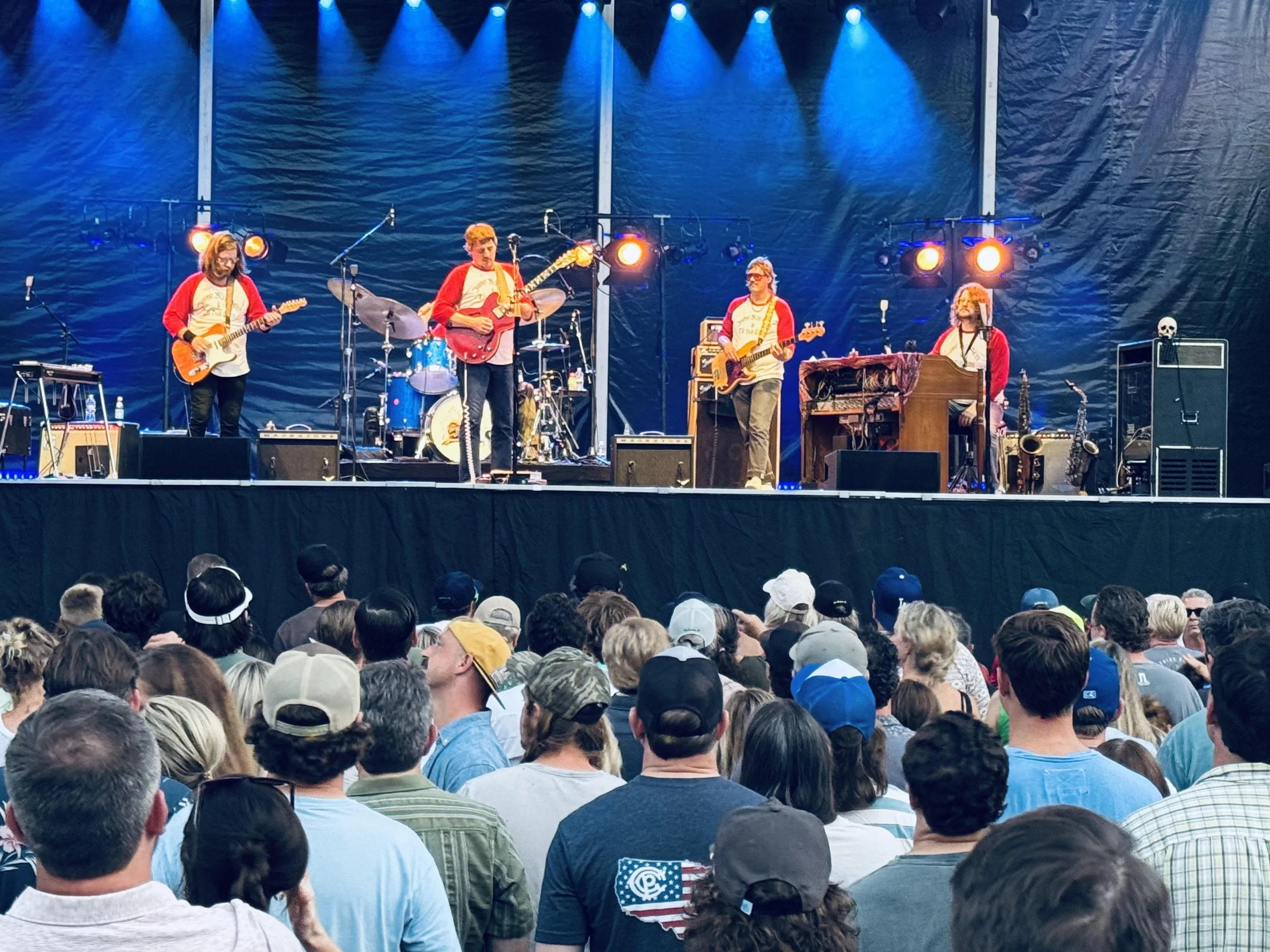
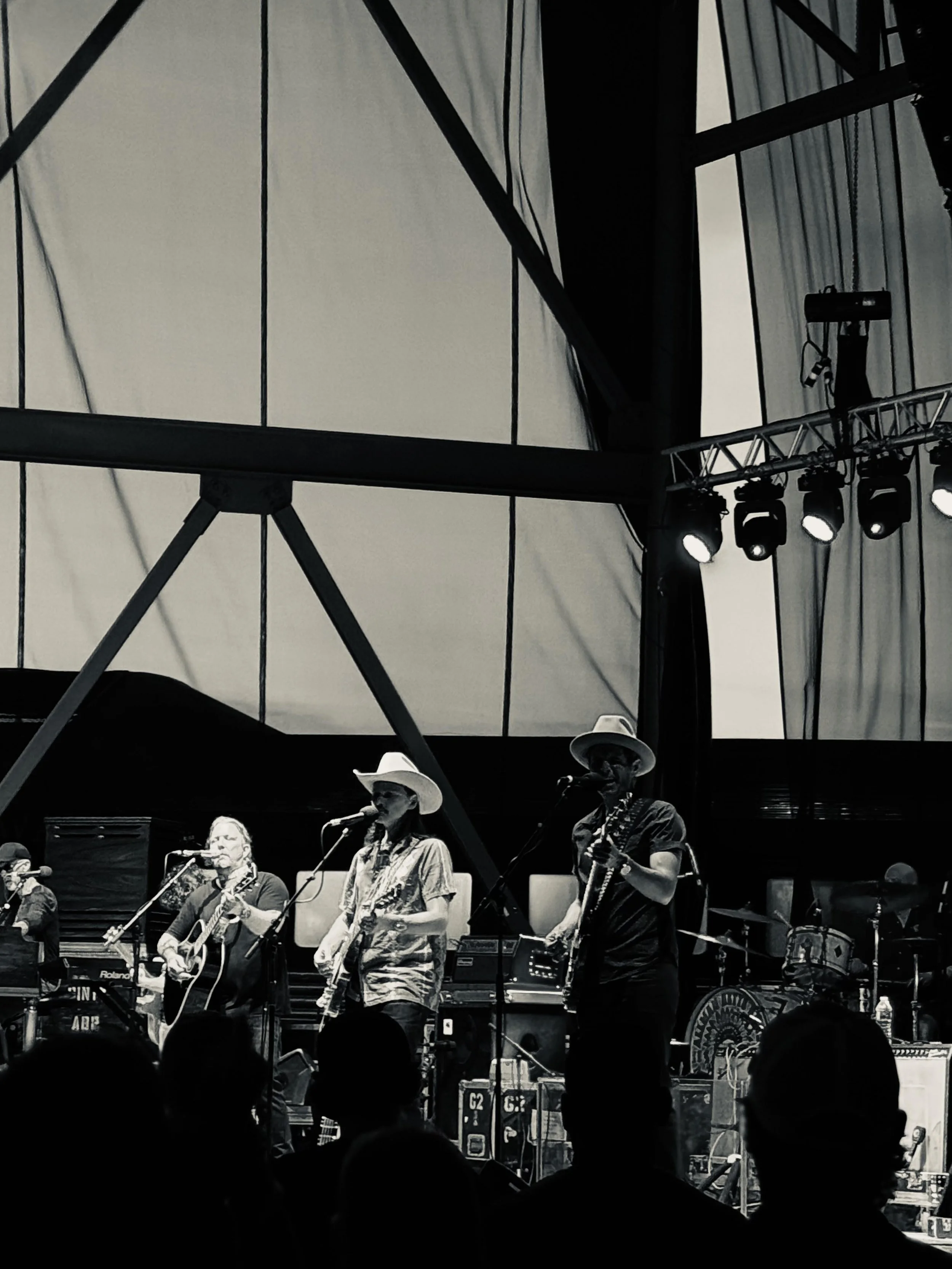
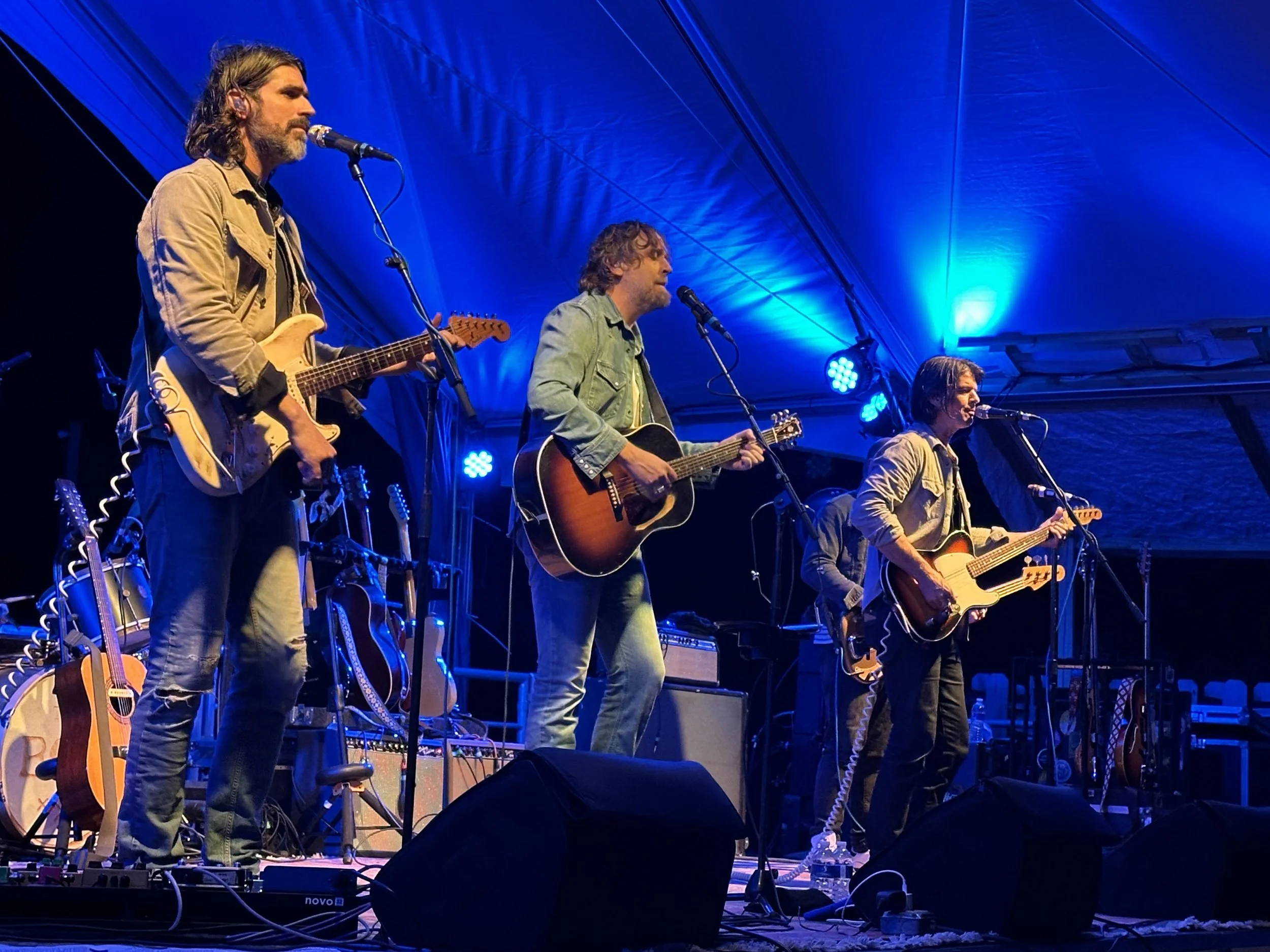
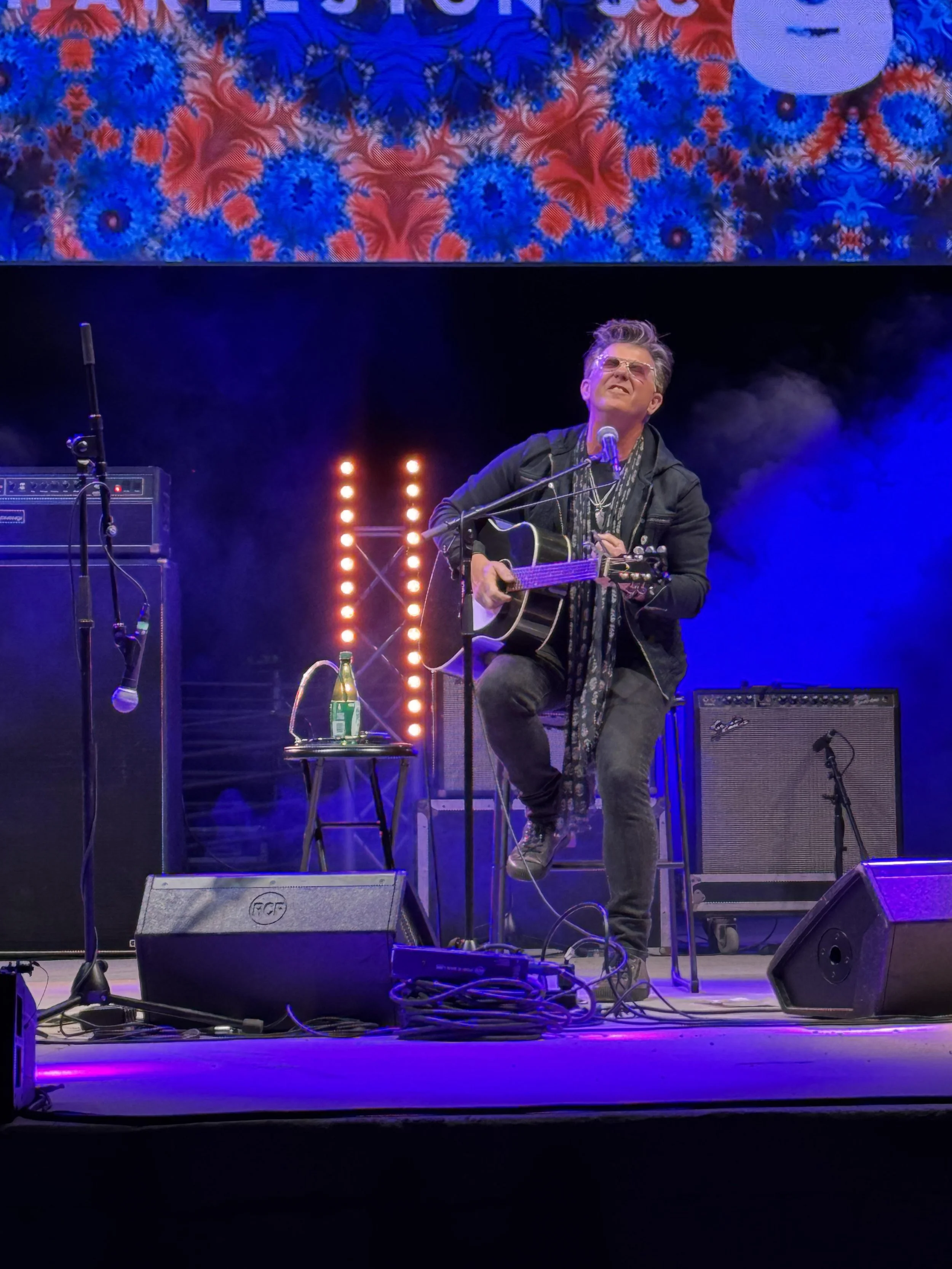
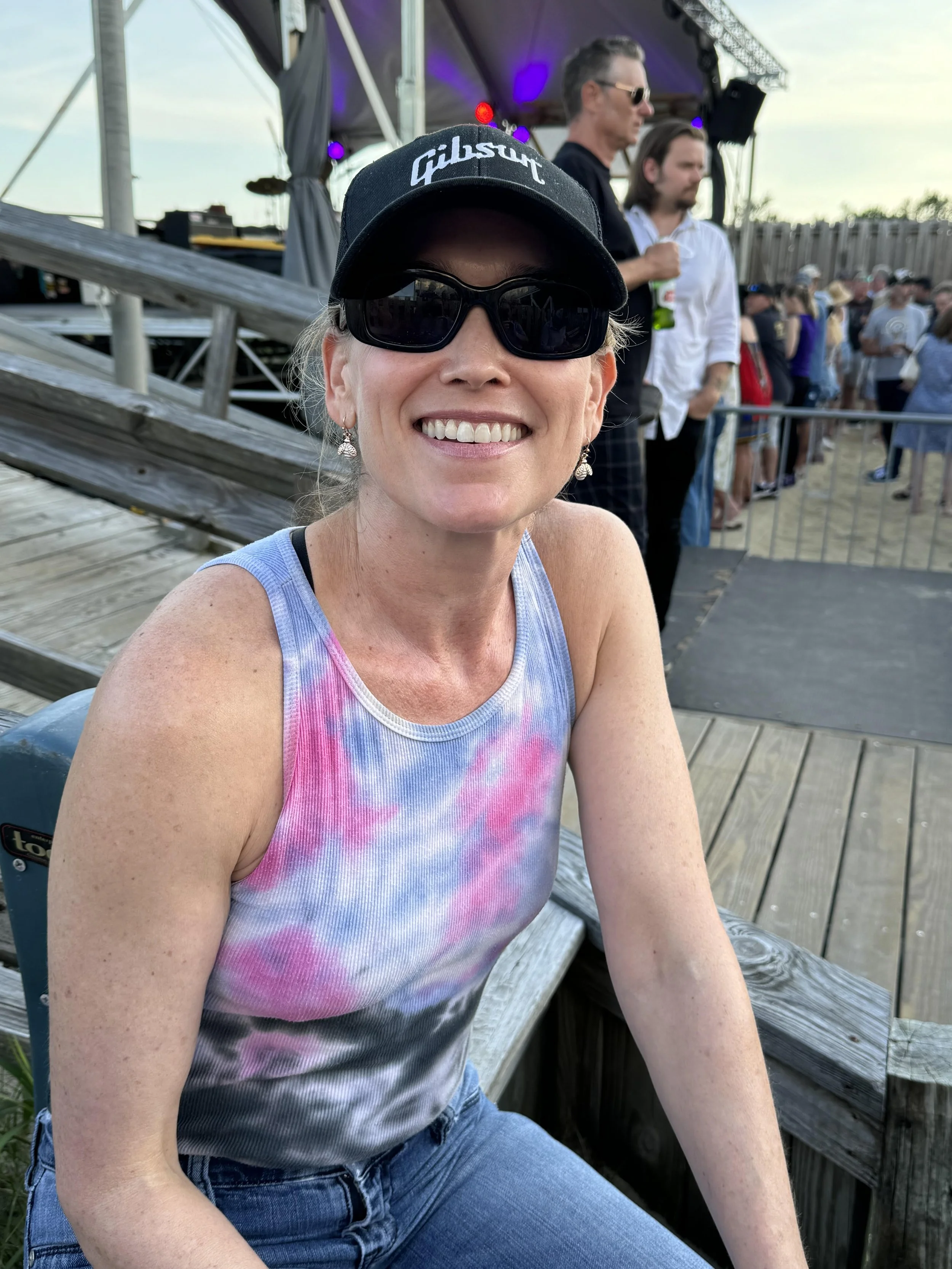
The Windjammer
Tucked along Front Beach on the Isle of Palms, The Windjammer is more than a bar — it's a landmark. For over 50 years, this beloved oceanside venue has been Charleston's premier destination for live music, cold drinks, and the kind of good time you don't stop talking about on the drive home.
It opened its doors in 1972 as Isle of Palms' first sports bar, and what started as a neighborhood hangout has grown into something the whole region claims as its own. While other iconic Low Country nightclubs — the Flying Dutchman, Myskyn's, Stonehenge, Illusions, the Plex — have come and gone, The Windjammer has stood the test of time, celebrating its 50th anniversary in 2022. For context, it has two full decades of history on the Music Farm, downtown Charleston's beloved college staple.
The stage at The Windjammer has seen some serious talent over the years. Hootie & the Blowfish, Drivin' N' Cryin', Edwin McCain, Sister Hazel, and the Zac Brown Band have all played the small, sandy room before their names were known everywhere. Cult favorites like Cowboy Mouth and the Killer Whales have packed the place, and local bands — Uncle Mingo, the Spazmatics, Sol Fish, Occasional Milkshake, Stop Light Observations — have called it a home stage. It's an eclectic, unpretentious lineup that perfectly mirrors the venue itself.
And when you're not watching a band? You're probably eating buffalo chicken wings or a cheeseburger, sipping a coldcocktail or cocktail with your feet in the salt air, watching the Atlantic do its thing just past the rail.
There's a reason people keep coming back. The Windjammer isn't trying to be anything it's not — it's just always been exactly what the Low Country needed. A great band, a casual atmosphere, and an unbeatable view.
It's always a jam good time.
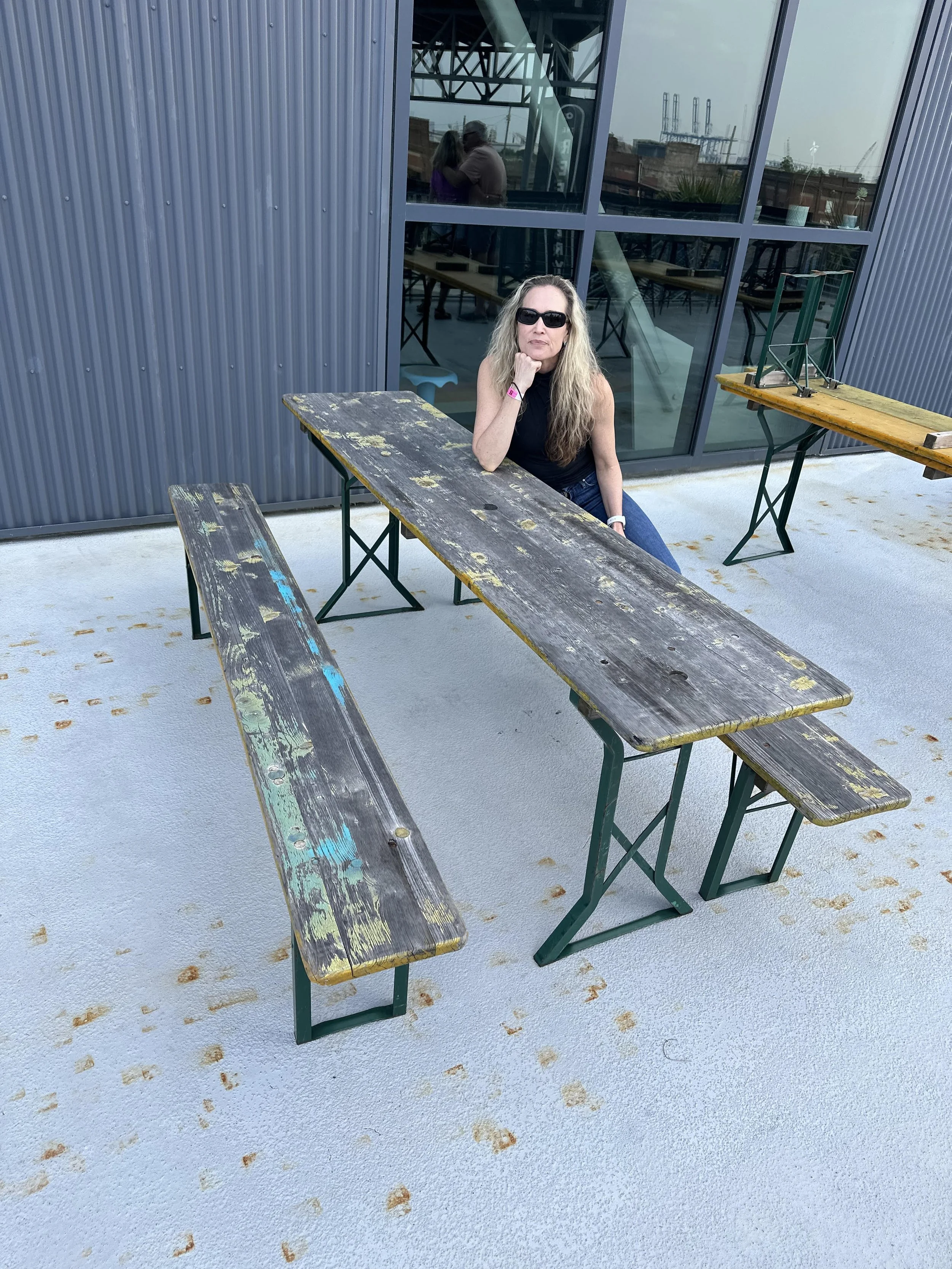
The Refinery
Charleston's Upper Peninsula got a whole lot more interesting when The Refinery opened. The Refinery, located at 1640 Meeting Street Road, is one of the newest mixed-use destination to open between North Charleston and downtown — and it quickly became one of the most exciting spots on the peninsula.
Sitting on what was once one of the region's largest oil refineries, the space has been transformed into a creative campus built for a work-and-play lifestyle. Think office space, retail, food and beverage, and a one-of-a-kind outdoor amphitheater — all under one roof (and a very charming rooftop).
The venue is anchored by The Whale, an Asheville-based craft beer collective, and Sweet Grass Vodka, Charleston's own vodka distillery. A restaurant space is still available for lease, rounding out what's already a vibrant and growing community of local businesses and creatives.
The outdoor amphitheater is the real showstopper — accommodating up to 1,500 guests, with a covered stage, concessions in retrofitted shipping containers, and a greenroom housed in a renovated railcar. National, regional, and local acts are all on the horizon.
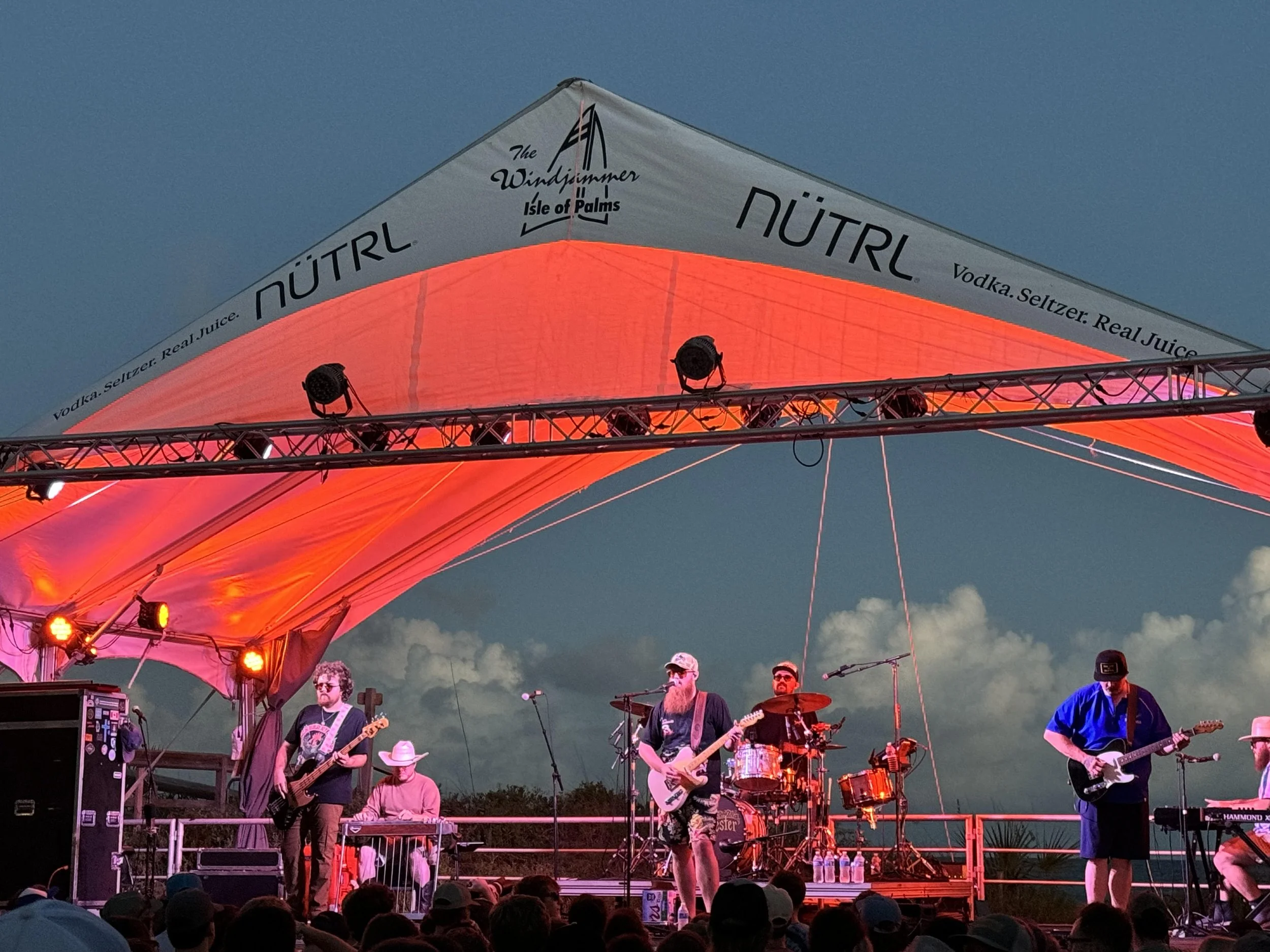
A spring night at the Windjammer, Isle of Palms, South Carolina
Charleston has always known how to make people feel something — and the music scene is no exception. Whether you're standing in a crowd of thousands under the open sky at Credit One Stadium or discovering a new favorite artist at an intimate local venue, there's a thread of something genuine running through it all. This city has found its sound, and if you haven't been paying attention, now is the perfect time to start listening.