How a Tiny French Village Stole My Heart (And Will Steal Yours Too): Villefranche-sur-Mer
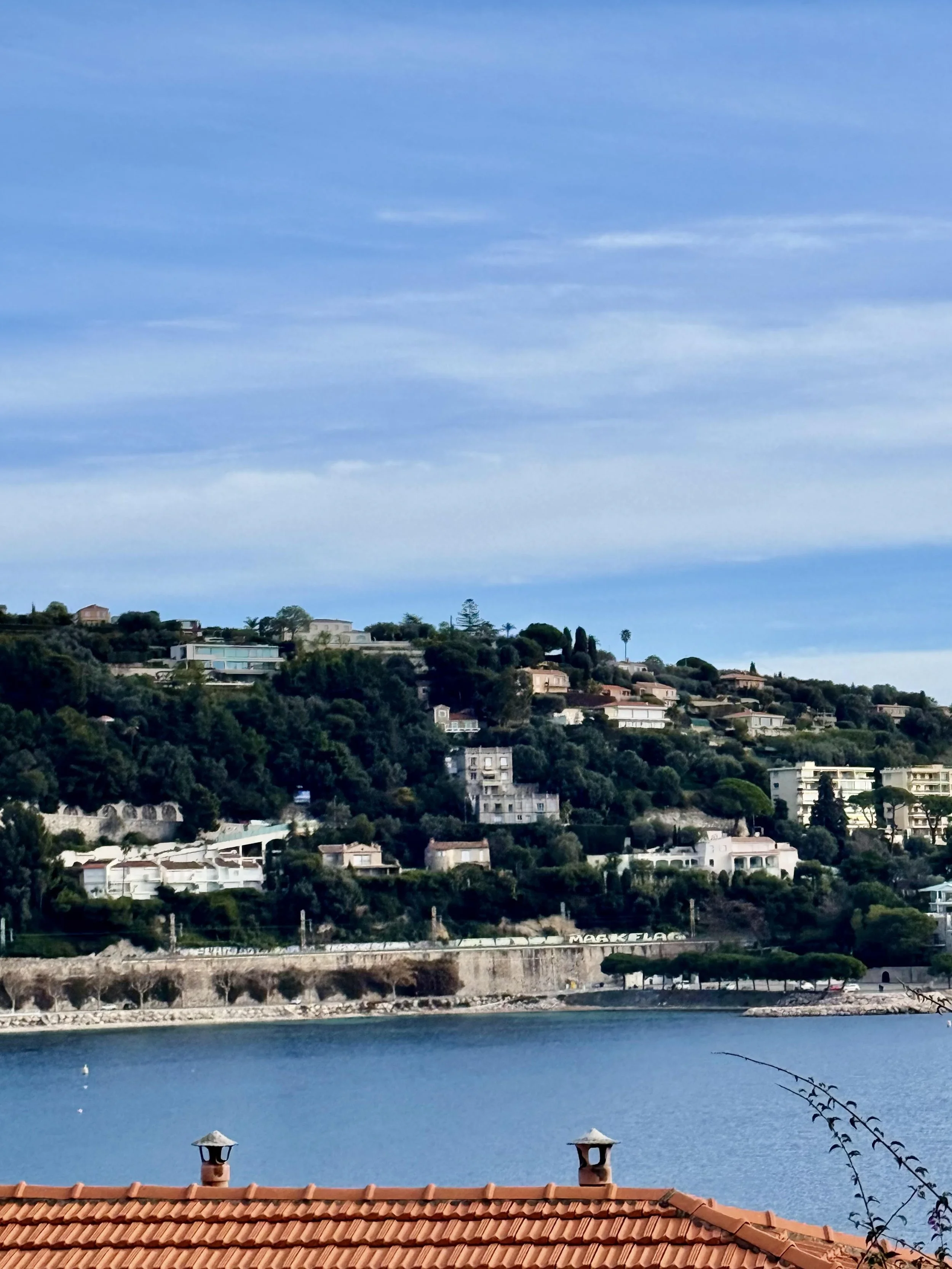
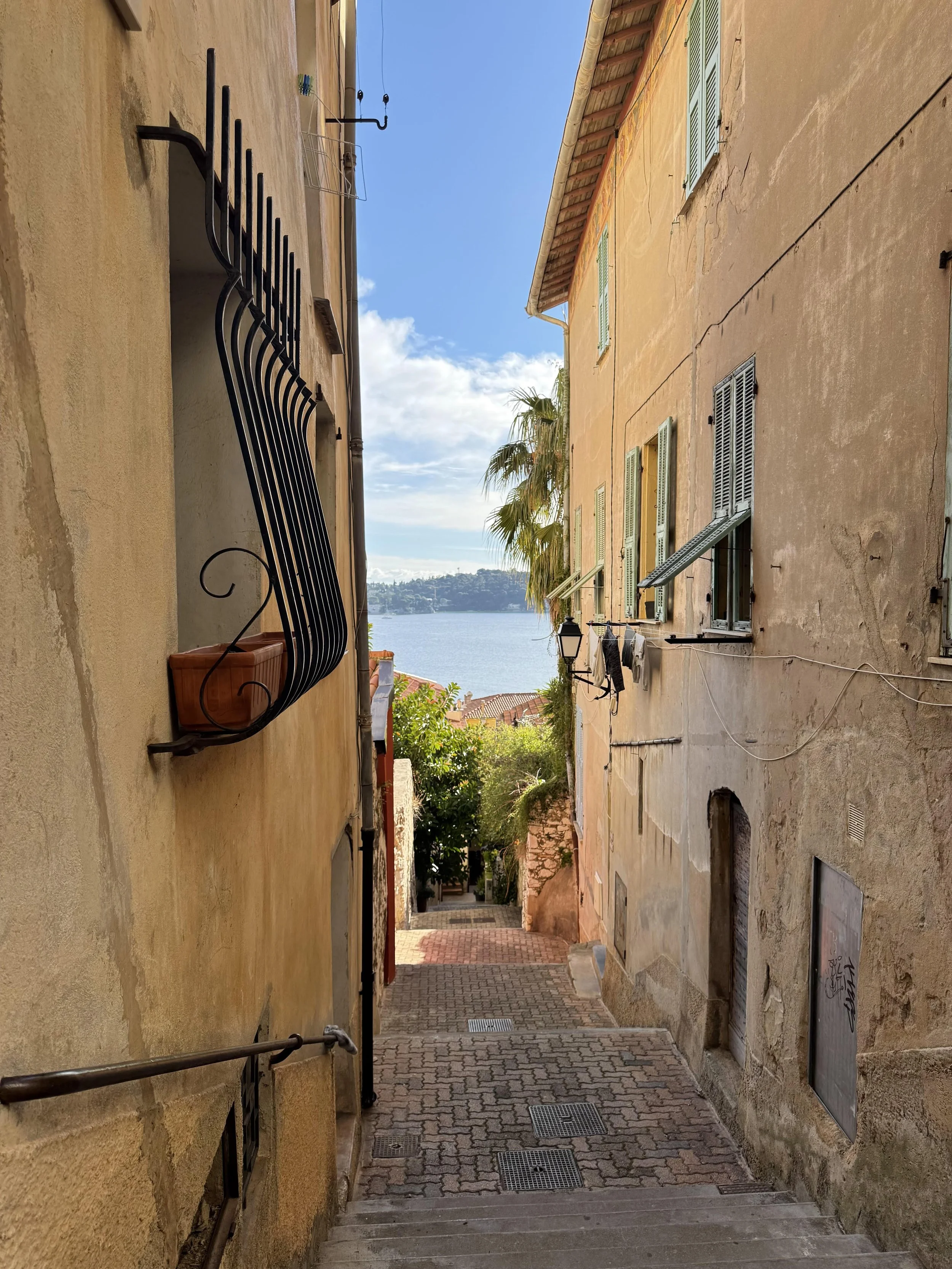
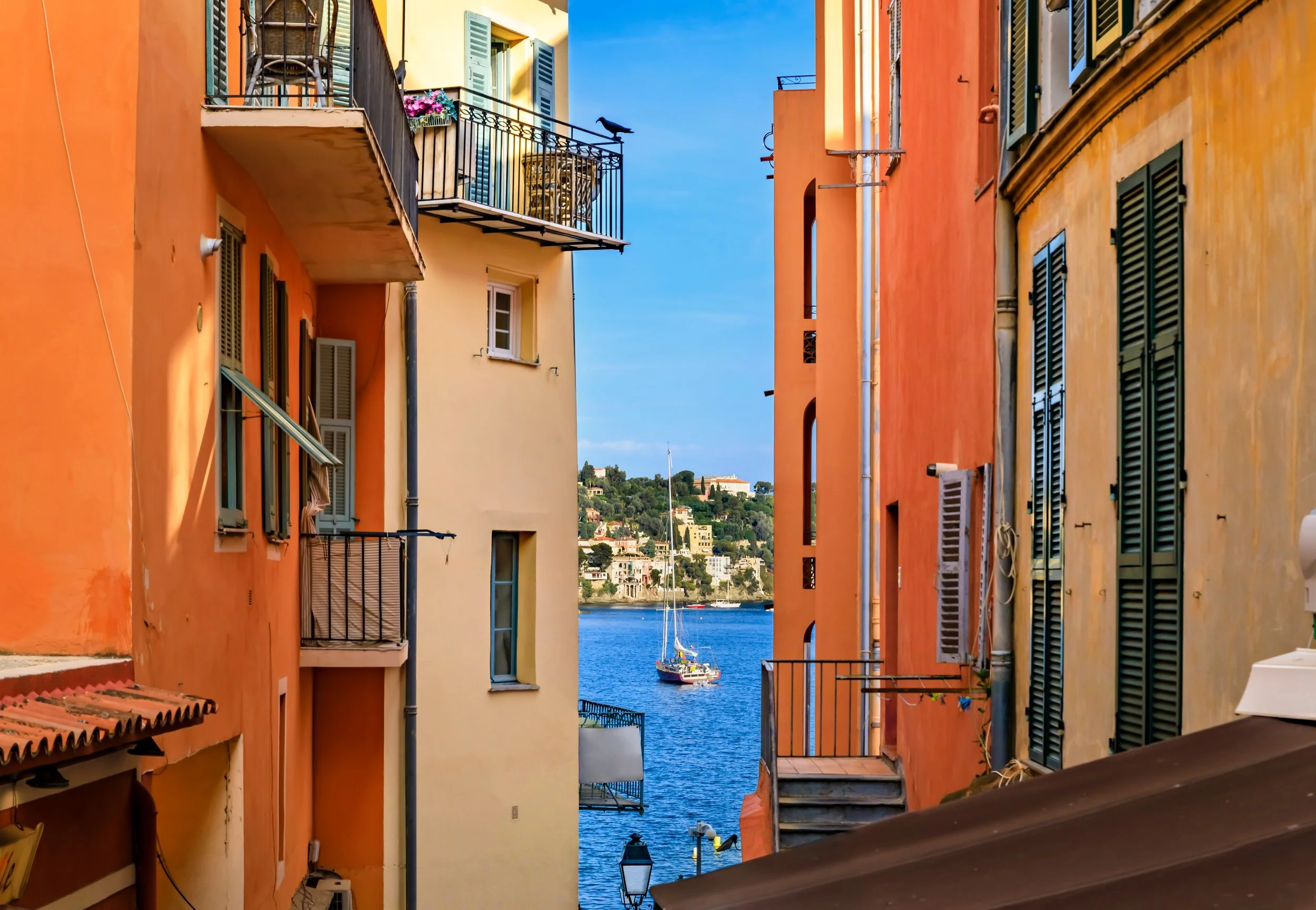
On the 8th day, God made the most perfect and picturesque coastal village: Villefranche-sur-Mer in the French Riviera. One of the best Côte d'Azur destinations among celebrities, travelers, and Europeans seeking sunshine , coastal views and local seafood, Villefranche-sur-Mer exudes charm. Bright sun rays bathe pastel-colored buildings that line cobblestone streets and narrow winding alleys. Each narrow path guides the traveler or local past medieval churches and to open markets brimming with local tomatoes, apples, oranges, among other seasonal fruits and vegetables. We spent the day climbing its winding, ascending, narrow paths upward then descending the same paths directly down the hill to the turquoise Mediterranean Sea—a mesmerizing and jaw-dropping body of water no photograph can truly truly capture.
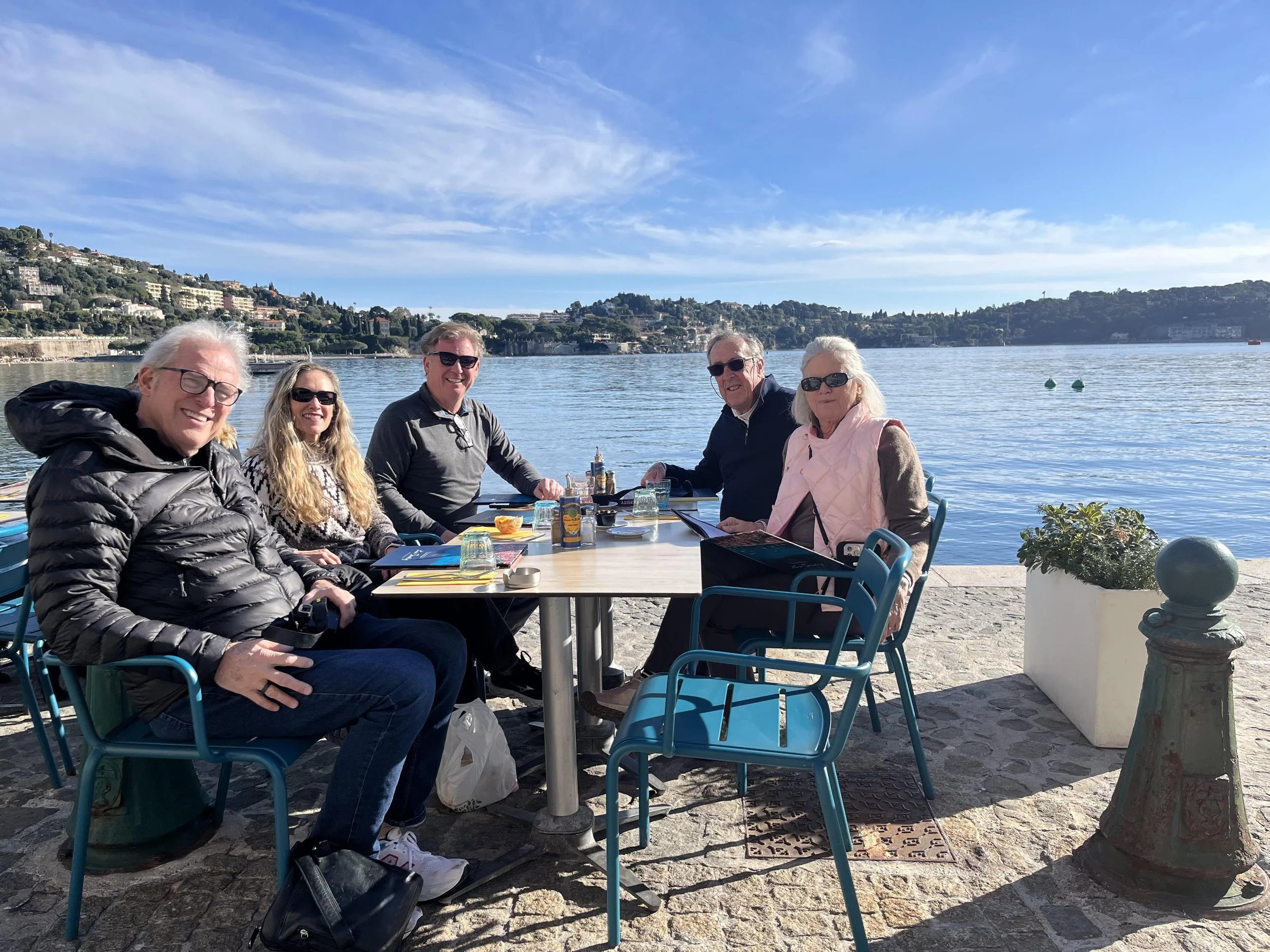
Long lunch at seaside: local produce, fresh fish out of nearby waters and mussels out of the world!
Lunch by the Sea
When lunchtime arrives, head down to the waterfront where a string of charming restaurants line the bay, their tables spilling out onto the promenade just steps from the lapping waves. This is where you'll experience the true magic of Riviera dining—fresh fish grilled to perfection, dabbled with olive oil, garlic, and local herbs, served with a view that makes every bite taste even better.
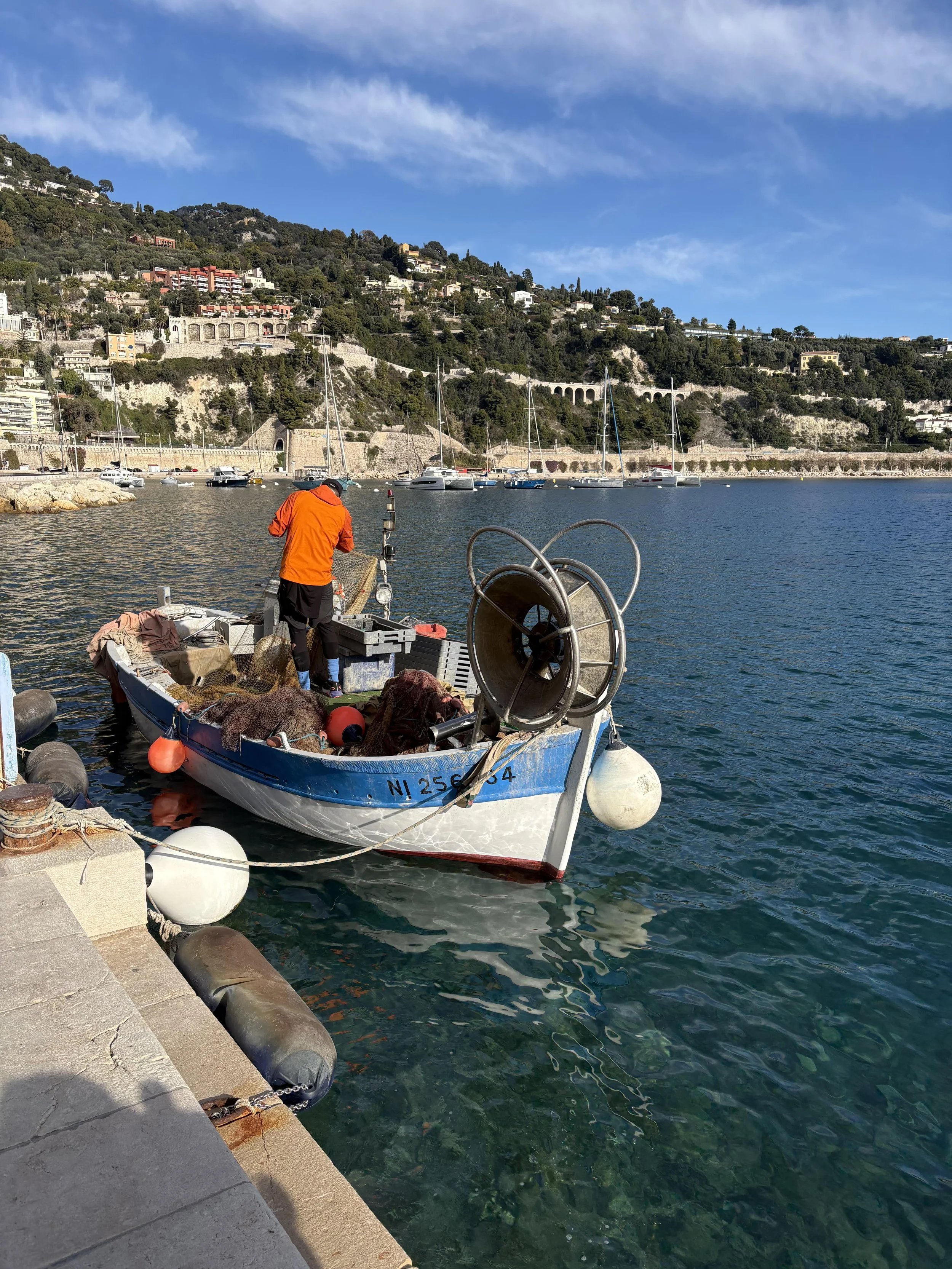
Order the catch of the day—perhaps a whole grilled loup de mer (sea bass) or rouget (red mullet)—simply prepared to let the fish's natural sweetness shine through. Many restaurants source their seafood directly from local fishermen who moor their boats right there in the bay, meaning your lunch was likely swimming in those turquoise waters that very morning. Pair it with a crisp glass of bubbly water with a splash of local lemon, chilled to perfection, and watch the yachts bob gently in the harbor.
The menus here celebrate the bounty of the region: fresh salads bursting with heirloom tomatoes and creamy burrata, bouillabaisse rich with saffron and fennel, grilled octopus tender and smoky, and plates of local mussels steamed in white wine and garlic. To top? Only a dash of olive oil and light vinegar. Finish with a tarte tropézienne or lemon tart made with fruit from nearby groves. Dining here isn't rushed—it's meant to be savored over two hours, maybe three, as the Mediterranean sun warms your shoulders and face, and the sea breeze carries the scent of salt and jasmine.
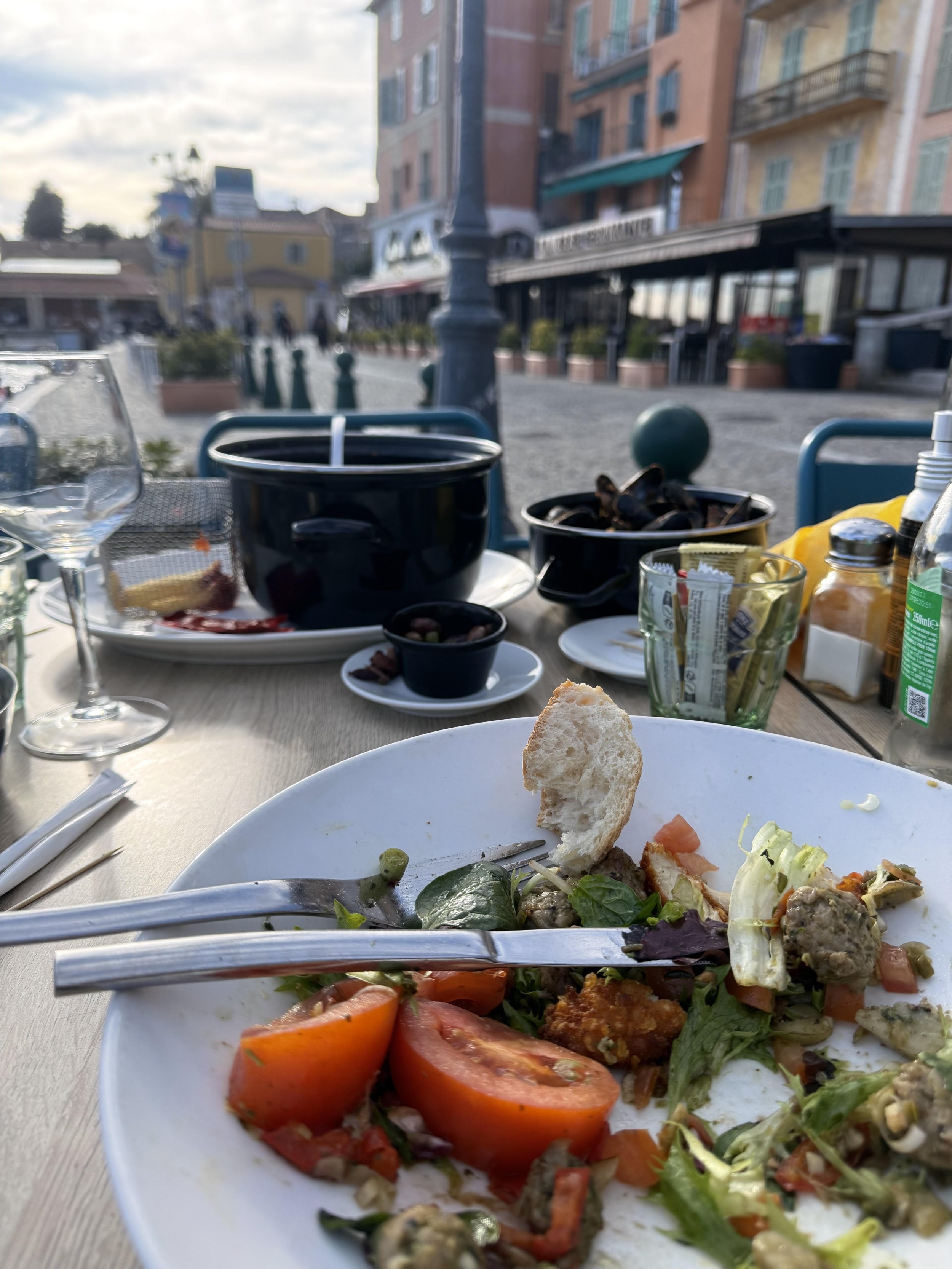
Local Markets & Fresh Produce
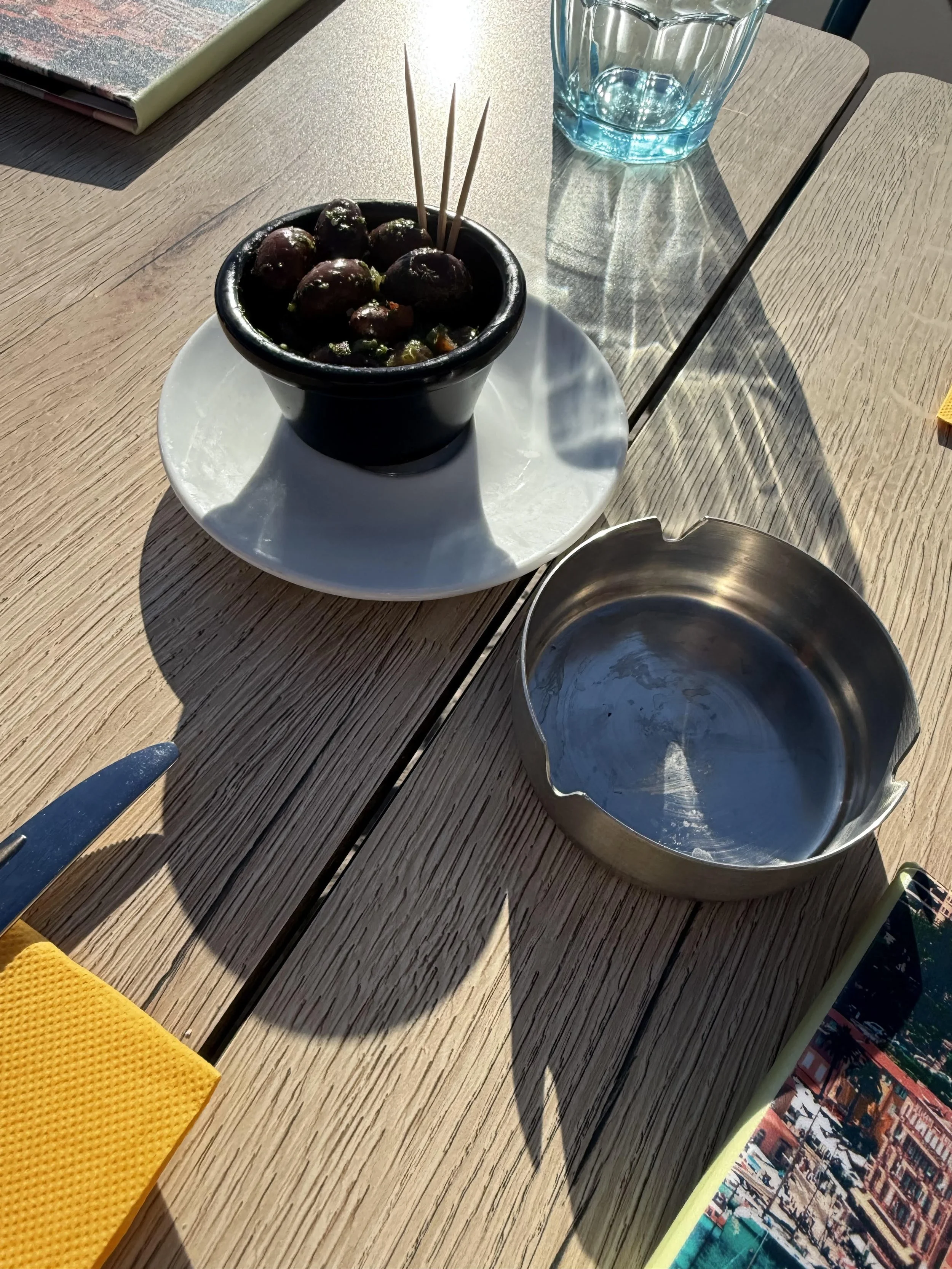
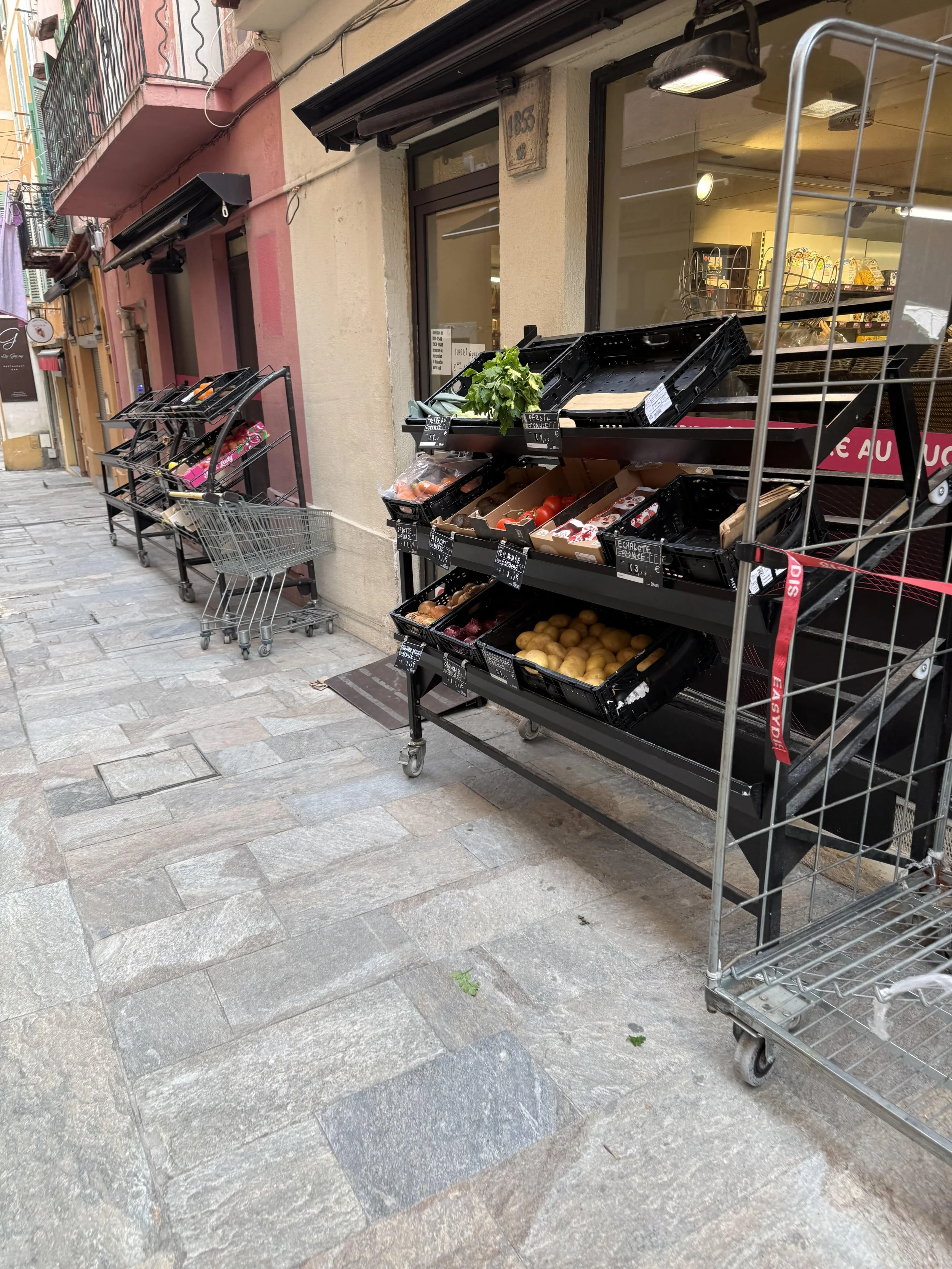
The local markets are a feast for the senses and shouldn't be missed. Stroll through stalls overflowing with sun-ripened tomatoes, fragrant herbs de Provence, plump olives glistening in herb-infused oils, and perfectly ripe peaches, oranges and pears that seem to capture the essence of the season itself. Local vendors proudly display their wares: artisanal cheeses from nearby farms, crusty baguettes still warm from the oven, and vibrant bouquets of lavender and sunflowers. You'll find freshly caught fish from the Mediterranean—gleaming sea bass, delicate red mullet, and prawns so fresh they were swimming just hours before. Don't leave without sampling the region's specialties: socca (a chickpea flour pancake), pissaladière (a savory onion tart), and locally produced jams bursting with fig, apricot, and cherry flavors.
A day in town could be spent leisurely wandering these markets, filling a basket with provisions for an impromptu picnic or a later dinner.



A Step Back in Time: The Church of Saint-Michel
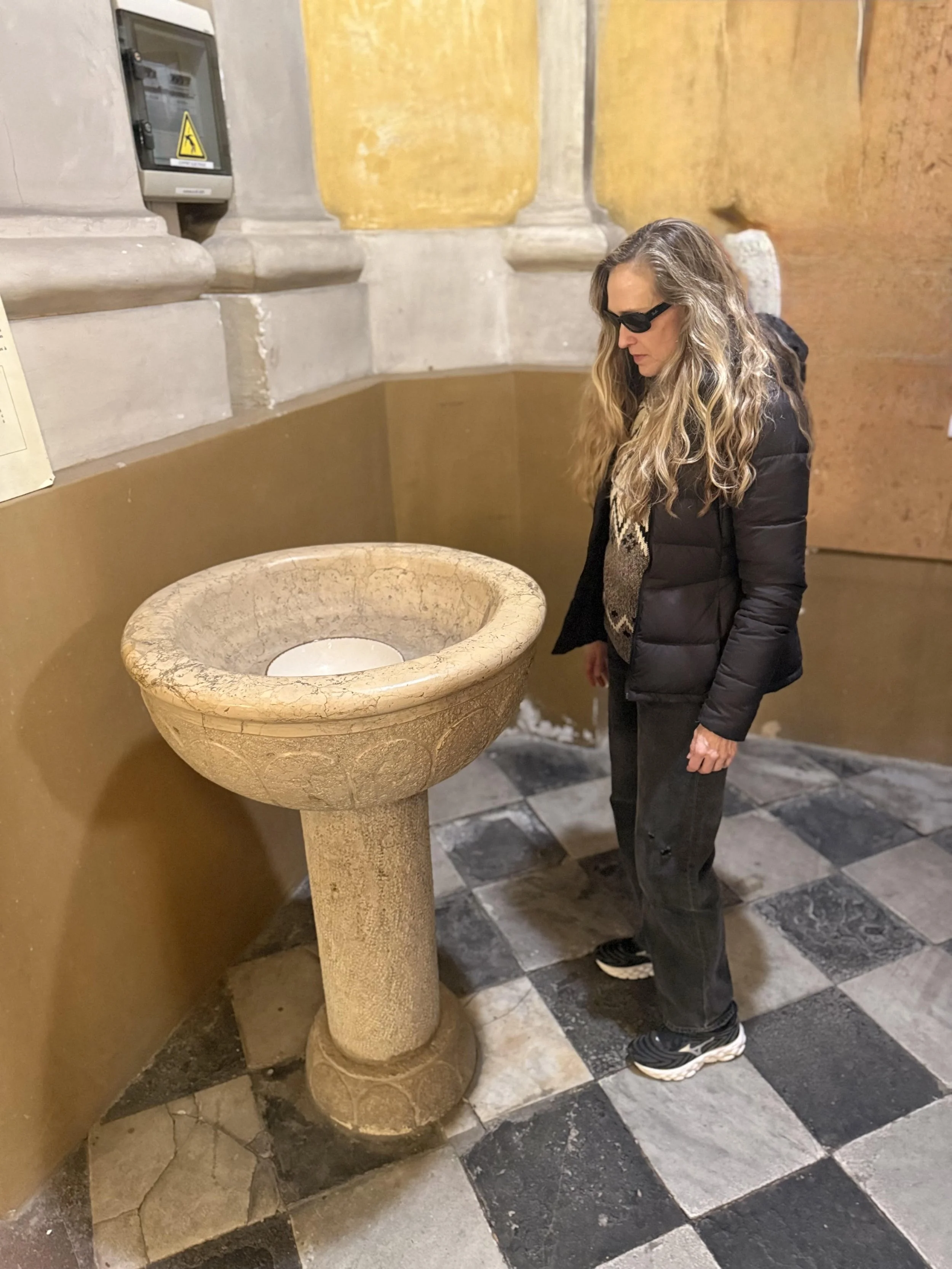
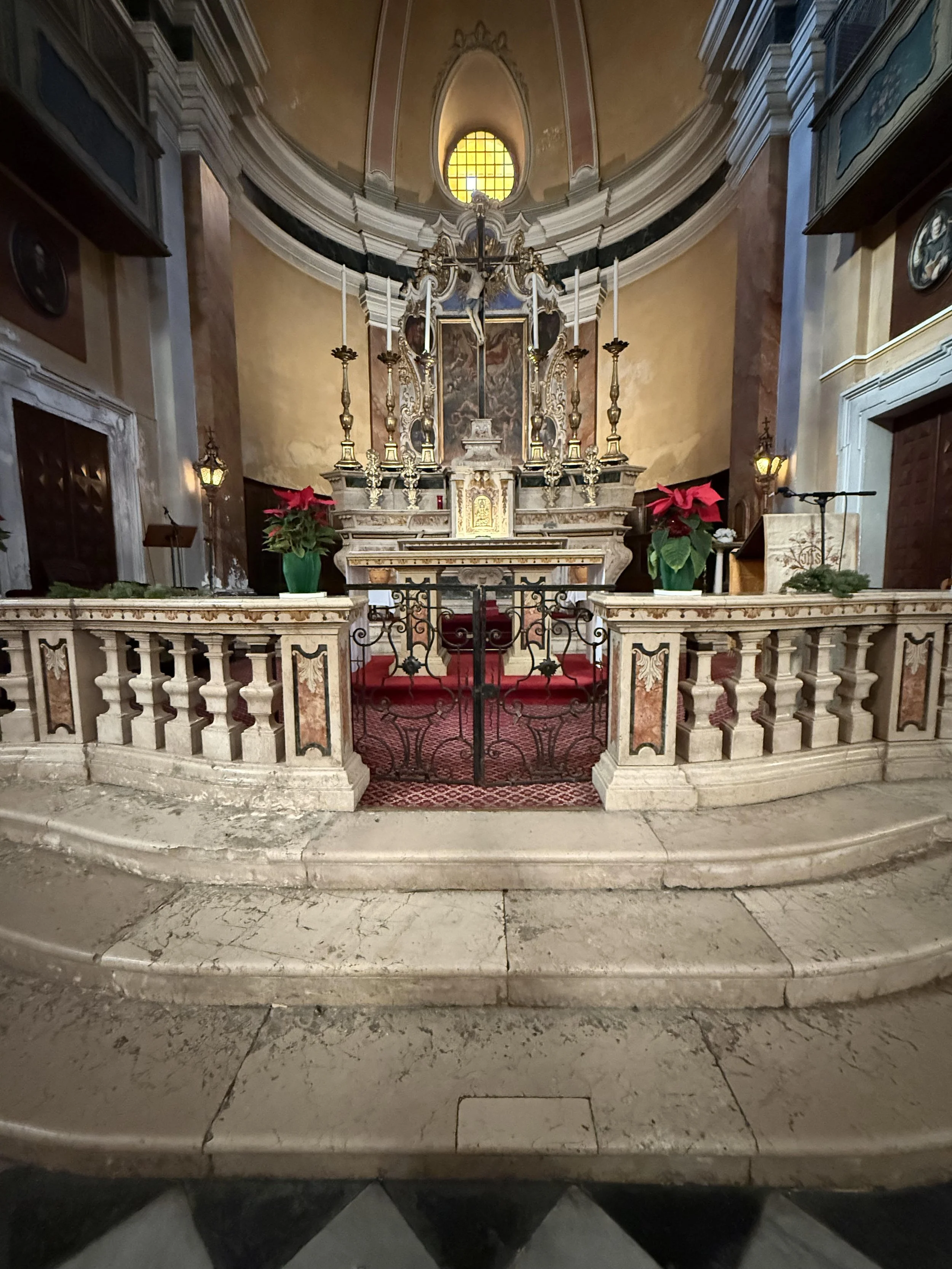
Tucked into the heart of Villefranche-sur-Mer's old town stands the Church of Saint-Michel, a baroque masterpiece that demands a moment of your time. Dating back to the 14th century but reimagined in the 18th century with stunning baroque embellishments, this church is a hidden gem that many visitors walk right past—don't make that mistake.
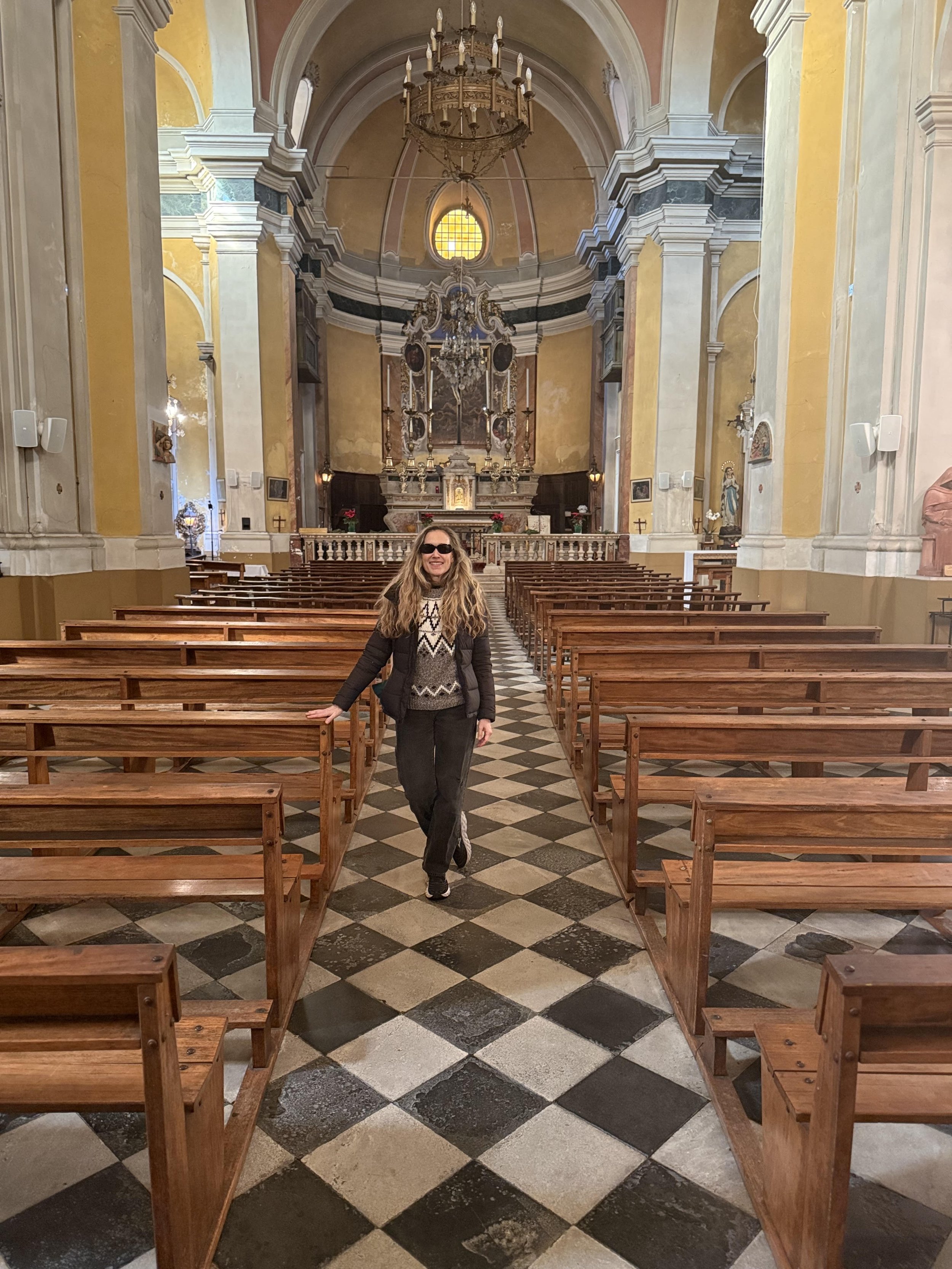
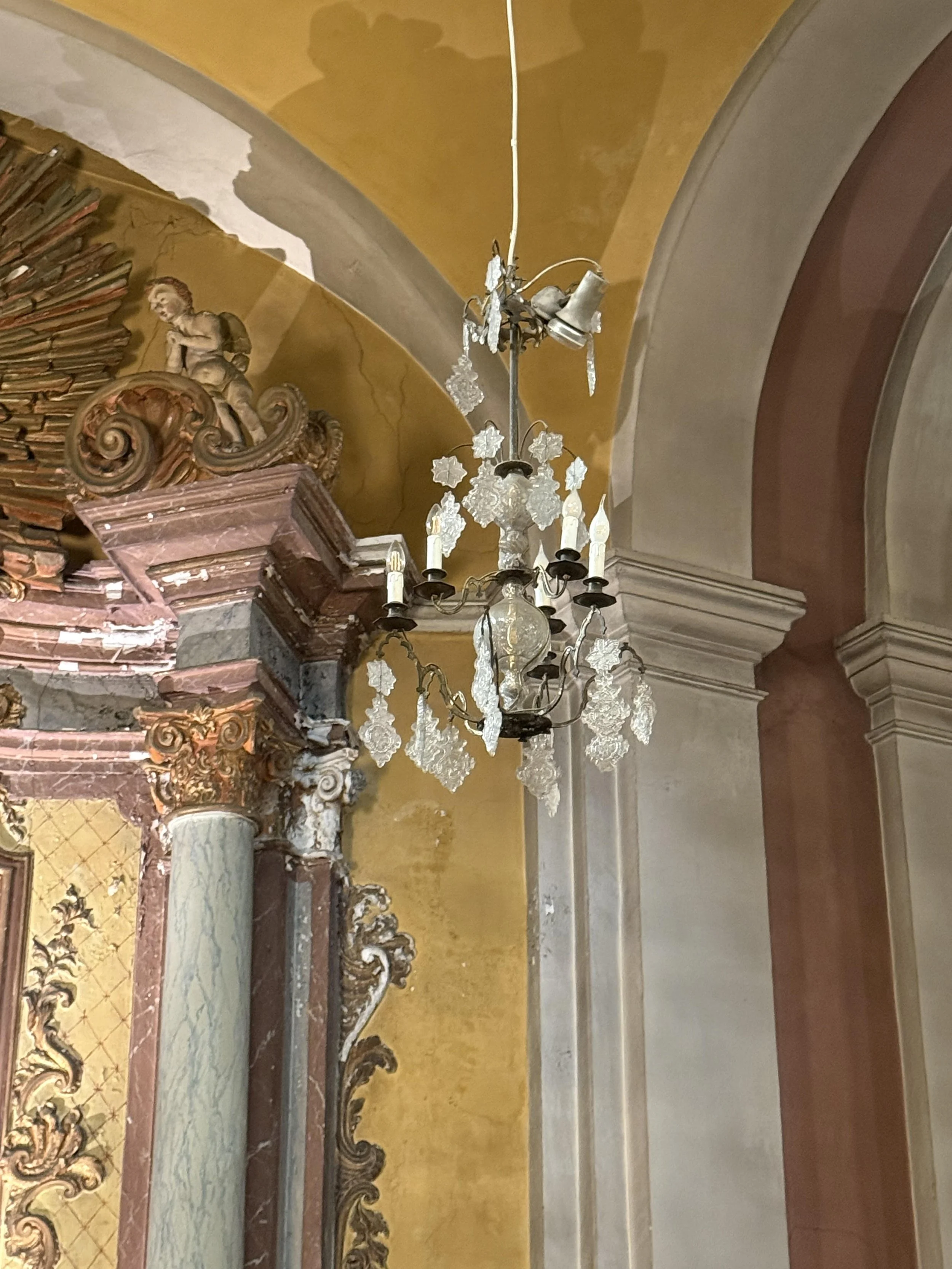
Push open the heavy wooden doors and step inside to discover an unexpectedly grand interior that seems almost impossibly ornate for such a small village church. Your eyes are immediately drawn upward to the soaring vaulted ceilings painted in warm ochres and golds, then to the magnificent altar adorned with gilded details that catch the soft light filtering through stained glass windows. An ornate iron chandelier hangs from the center of the nave, while smaller candelabras flicker along the walls, casting a gentle glow across the centuries-old stonework.
The floor is a work of art in itself—a striking checkerboard pattern of cream and gray marble tiles that leads your gaze straight down the aisle to the baroque altar, where an elaborate golden retable rises toward the dome. The acoustics inside are remarkable; even the softest whisper seems to echo with reverence through the sacred space.
What makes Saint-Michel so special is its intimate scale combined with its lavish decoration. This isn't a grand cathedral meant to overwhelm—it's a village church that has been lovingly maintained and treasured by generations of locals. Take a moment to sit in one of the simple wooden pews, light a candle, and simply absorb the peaceful atmosphere. The contrast between the humble exterior and the opulent interior perfectly captures the spirit of Villefranche-sur-Mer itself: understated beauty that reveals its treasures to those who take the time to look.
An Architectural Walking Tour: Medieval Charm at Every Turn
Villefranche-sur-Mer is an architectural treasure trove where every corner reveals another postcard-perfect scene. This isn't a village you simply visit—it's one you wander through slowly, getting pleasantly lost in its labyrinth of medieval streets and discovering centuries of history etched into every stone.
The Old Town: A Medieval Masterpiece
Begin your exploration in the Vieille Ville (Old Town), where time seems to have stood still since the Middle Ages. The narrow streets here weren't designed for cars—they were built for donkeys and pedestrians, creating an intimate maze of passageways barely wide enough for two people to pass. Smooth cobblestones worn glossy by centuries of footsteps lead you upward and downward through the village, each turn offering a new perspective of the pastel facades that have made this village famous.
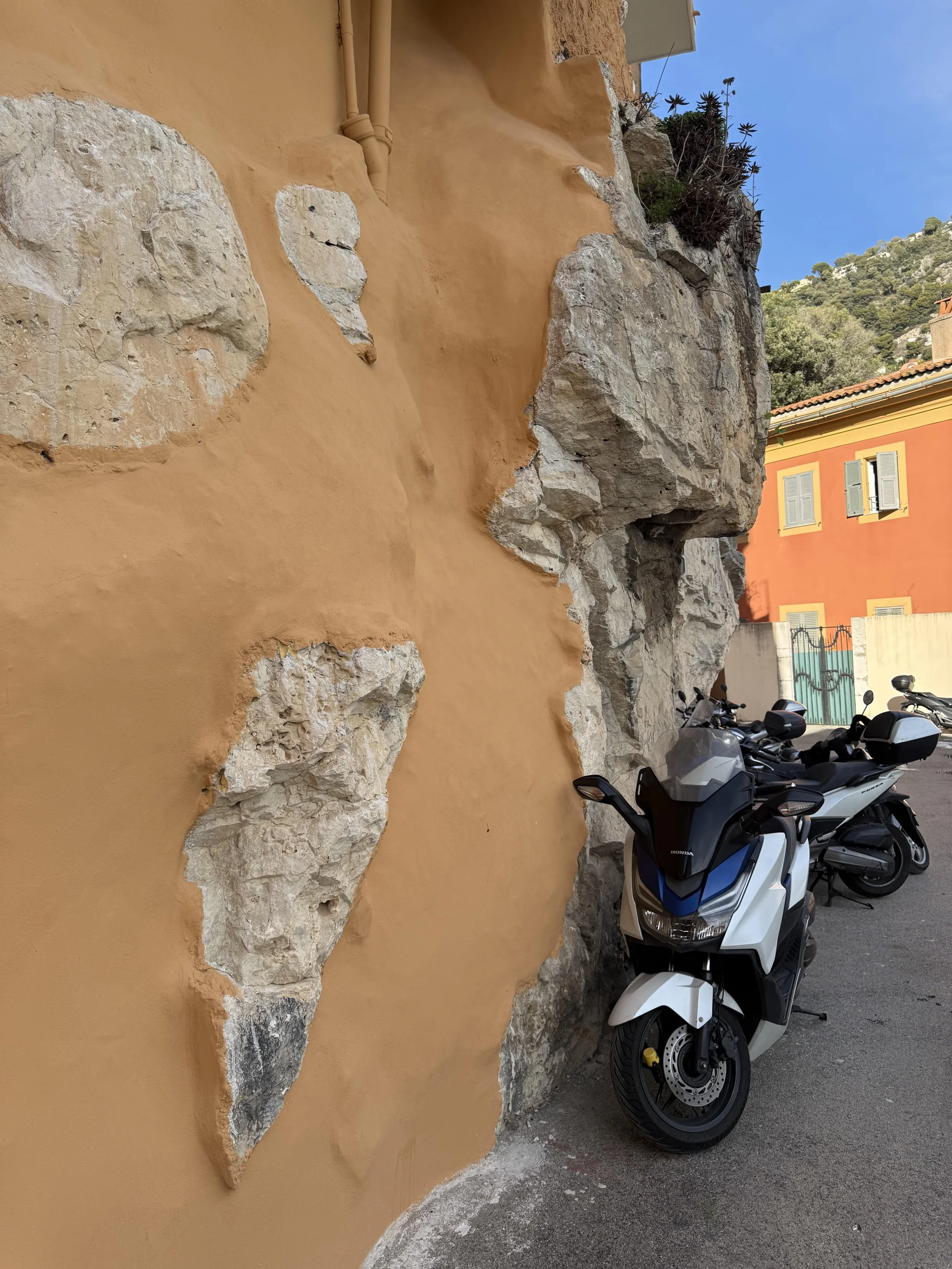
The buildings themselves are a study in Mediterranean vernacular architecture. Painted in soft shades of ochre, terracotta, salmon pink, dusty rose, and buttery yellow, these structures date back to the 13th and 14th centuries. Notice how they're built directly against one another, sharing walls in the medieval tradition—a practical design that provided structural support and helped regulate temperature in the days before air conditioning. Wooden shutters in faded greens and blues frame the windows, many of them weathered and peeling in a way that only adds to their romantic appeal.
Look up as you walk—the upper floors often jut out slightly over the streets below, a medieval architectural feature that maximized living space in the cramped quarters of the old town. Wrought-iron balconies, some barely large enough to hold a flowerpot, cling to the facades, overflowing with geraniums, bougainvillea, and trailing ivy that cascades down the ancient walls.
Rue Obscure: The Covered Street
Don't miss the Rue Obscure, one of Villefranche-sur-Mer's most atmospheric and unusual features. This covered passageway, built in 1260, runs for 130 meters along the waterfront, protected by thick vaulted stone arches. Originally constructed to allow residents to move safely between their homes and the port during times of siege or storms, today it's a hauntingly beautiful corridor where shafts of sunlight pierce through occasional openings, illuminating the worn stone and creating dramatic shadows.
Walking through the Rue Obscure feels like stepping into another era entirely. The temperature drops several degrees in the cool darkness, and your footsteps echo off the vaulted ceiling. Small doorways branch off into private courtyards and staircases, hinting at the lives lived behind these medieval walls for over seven centuries.
Staircases and Hidden Passages
The village is connected by a network of steep stone staircases—some grand, others tucked away and almost secret—that climb from the waterfront to the hilltop neighborhoods above. These aren't just functional; they're architectural features in their own right, with iron railings twisted into elegant curves, lanterns mounted on the walls, and arched passages that frame spectacular views of the bay below.
The Escalier de Saint-Michel is particularly charming, winding upward past the Church of Saint-Michel with views that get more breathtaking with every step. Locals have planted flowers in every available crevice—pots of lavender on doorsteps, climbing roses scrambling up walls, herbs growing wild between the stones.
Architectural Details Worth Noting
As you explore, keep an eye out for the small details that make Villefranche-sur-Mer so architecturally rich:
Trompe-l'oeil paintings: Several buildings feature faded frescoes and painted architectural details that trick the eye, a baroque tradition still visible on some facades.
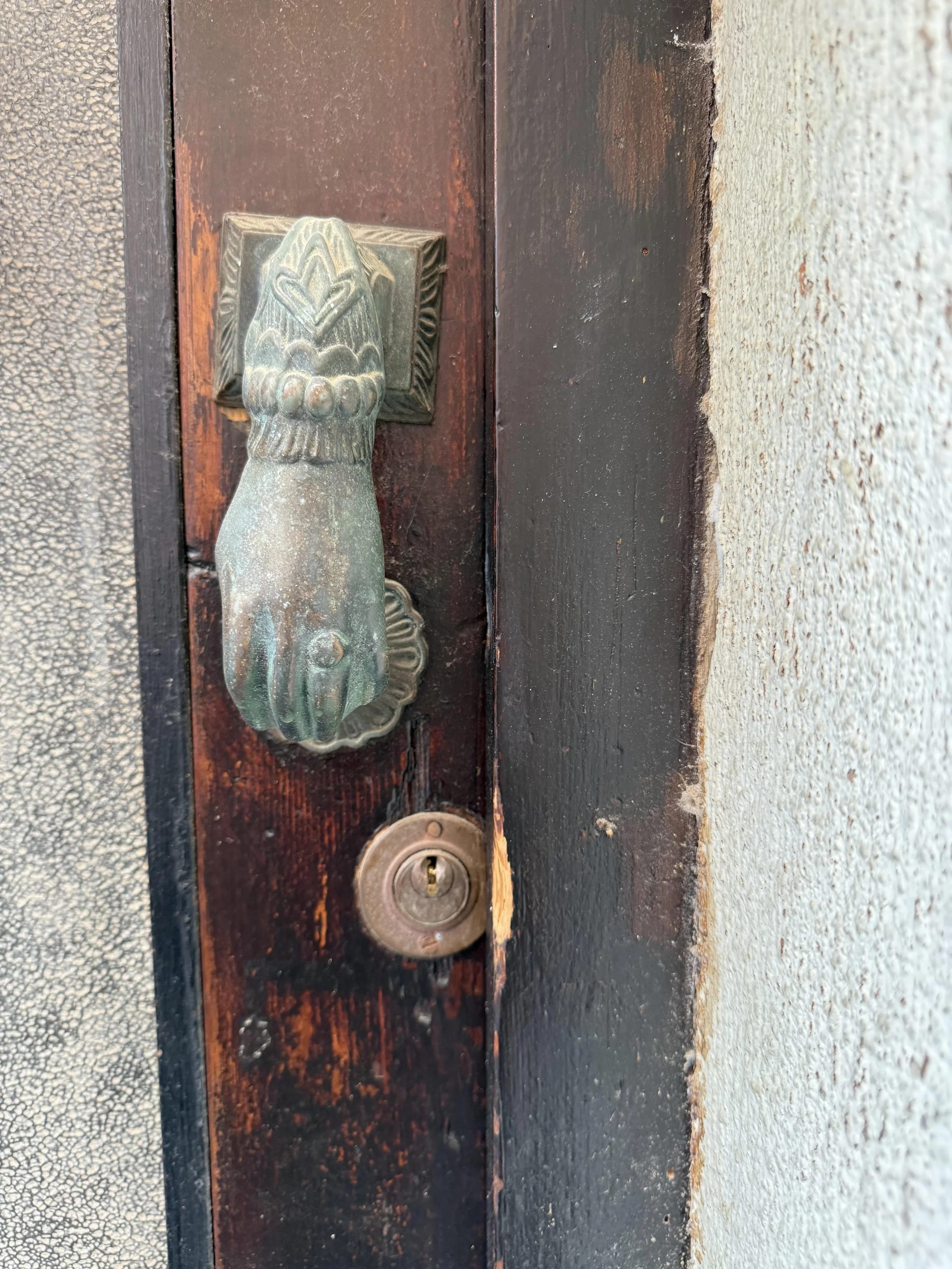
Stone lintels and doorways: Many original medieval doorways remain, with thick stone lintels carved with dates and symbols from the 14th and 15th centuries.
Vaulted archways: Throughout the old town, you'll pass under barrel-vaulted passages that connect buildings and streets, creating shaded tunnels that offer relief from the Mediterranean sun.
Corner shrines: Small religious niches carved into the corners of buildings house statues of saints and the Virgin Mary, remnants of a time when these offered spiritual protection to the neighborhood.
Weathered textures: The salt air and centuries of Mediterranean sun have created a beautiful patina on everything—peeling paint, oxidized iron, limestone worn smooth and pitted by time. This weathering is part of the village's authentic charm.
The Citadel
At the eastern end of the bay stands the 16th-century Citadel Saint-Elme, a massive fortification built by the Duke of Savoy to protect the natural harbor. While it's been repurposed to house museums and an open-air theater, its imposing stone walls and strategic position remind visitors of Villefranche-sur-Mer's military importance throughout history. The thick ramparts and bastions are classic examples of Renaissance military architecture, designed to withstand cannon fire from both land and sea.
The Harbor and Quayside Buildings
Down at water level, the quayside buildings present a different architectural face—taller, more formal structures in shades of pink, orange, and gold that seem to rise directly from the sea. These 18th and 19th-century buildings were constructed during Villefranche-sur-Mer's heyday as a naval port. Their ground floors now house the restaurants and cafés that line the waterfront, but look up to the upper stories to see the original shuttered windows and curved pediments that speak to their grander past.
Villefranche-sur-Mer's architecture isn't about grand monuments or famous landmarks—it's about the cumulative effect of centuries of building, living, weathering, and enduring. Every crumbling wall, every sun-faded shutter, every vine-covered archway tells a story. This is architecture meant to be experienced slowly, on foot, with plenty of stops to simply look, absorb, and appreciate the layers of history built into every stone.
Collection of photos, Winter, 2026