Florence, Italy: Art, Leather & Dolce Vita
One could live in Forence, Italy a thousand years and bearly scratch the surface of its complex and engaging culture!
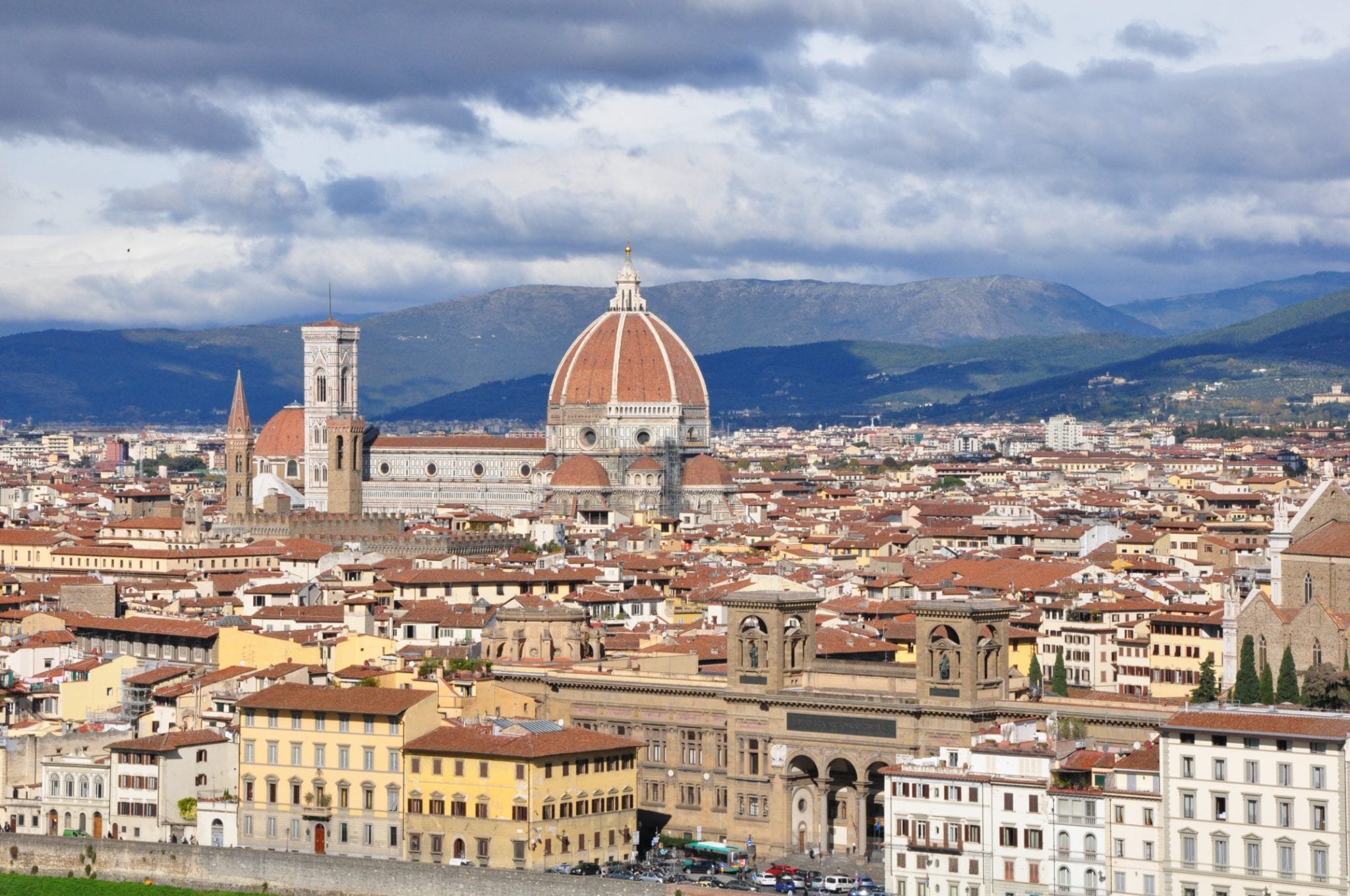
Florence is a city where every cobblestone street and sun-drenched piazza tells a story of artistic genius and innovation. As the birthplace of the Renaissance, this jewel of Tuscany transformed the course of Western civilization, giving the world Michelangelo, Leonardo da Vinci, Botticelli, and Dante. Today, the city remains a living museum where Brunelleschi's iconic terracotta dome still dominates the skyline, masterpieces fill world-class galleries, and medieval bridges span the gentle Arno River. But Florence is far more than its glorious past—it's a vibrant modern city where leather artisans practice centuries-old crafts, trattorias serve soul-warming Tuscan cuisine, and locals gather for evening passeggiata through Renaissance squares. Whether you're standing awestruck before the David, savoring gelato near the Duomo, or getting lost in the winding streets of the Oltrarno, Florence captivates with an intoxicating blend of art, history, and la dolce vita.
Discovering the Accademia Gallery: More Than Just Michelangelo's David
The Galleria dell'Accademia—or Accademia Gallery—in Florence, Italy, is without a doubt most famous for its sculptures by the great Renaissance artist Michelangelo. His Prisoners (or Slaves), his St. Matthew, and above all, the magnificent statue of David within the Tribune are what draw most of the hundreds of thousands of visitors the museum welcomes every year.
However, there's much more to discover beyond Michelangelo's masterpieces. The museum houses an impressive collection of paintings by Renaissance masters including Sandro Botticelli, Domenico Ghirlandaio, Pontormo, Andrea del Sarto, Alessandro Allori, and Orcagna, to name just a few. Many of these works were commissioned by the powerful Medici family, and the last of the Medici donated their collection to the Grand Duchy of Tuscany so these magnificent pieces could be enjoyed by everyone as part of humanity's cultural heritage.
The museum's most recent addition, the Museum of Musical Instruments, displays rare, one-of-a-kind masterpieces by Stradivari and Bartolomeo Cristofori, inventor of the piano—also commissioned by the Medici.
Plan Your Visit
Give yourself plenty of time when visiting the Accademia Gallery, a must-see while in Florence. To better plan your trip to the museum, this online guide offers general information on opening hours, admissions, and more in the Plan Your Visit section, plus details on the halls, main artworks, and suggested itineraries in Explore the Museum.
Finding Authentic Leather in Florence: A Shopper’s Guide
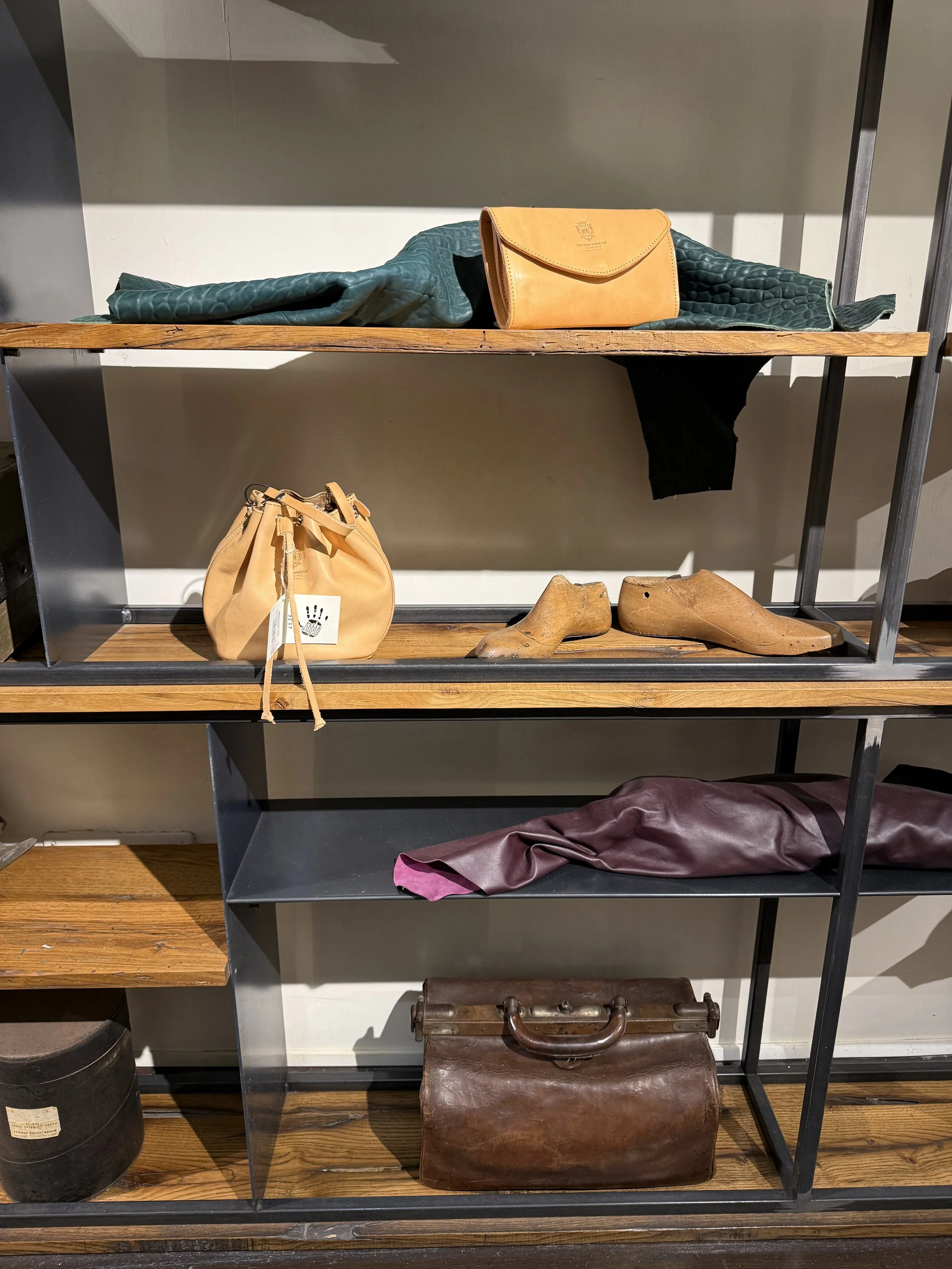
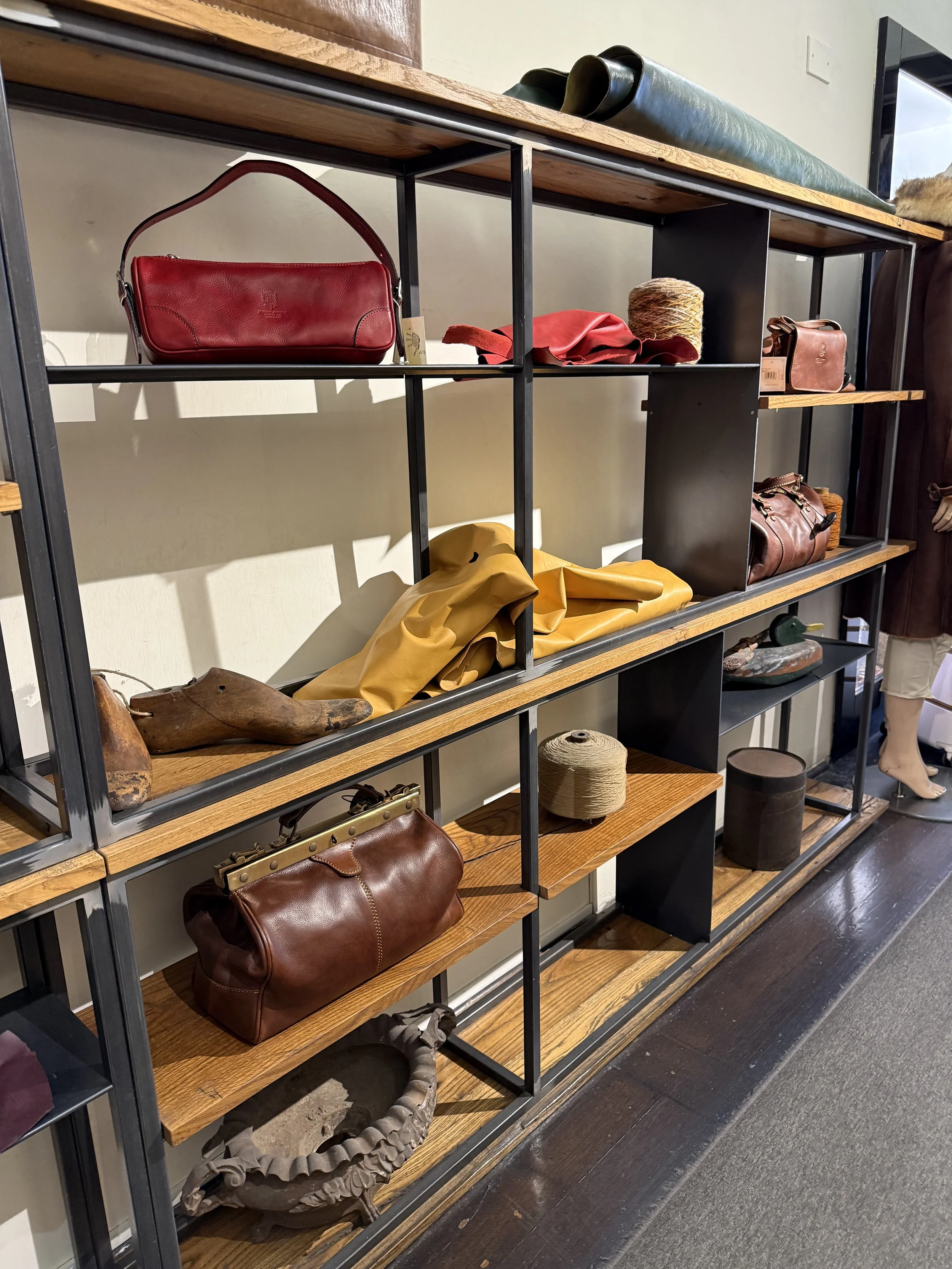
We all want to come home from Florence with a special souvenir, but selecting the right leather bag or jacket can be overwhelming. Take one glance at the hundreds of jackets flapping in the breeze at the San Lorenzo market, and you'll quickly realize how intimidating leather shopping in Florence can be. How do you know if you're buying something authentic and high quality—something made locally in a traditional way? How do you gauge a fair price and avoid getting ripped off?
Opportunities to buy leather in Florence are vast, from luxury boutiques to raucous street bazaars to private workshops and sidewalk trinket sellers. Read on to ensure you go home with an authentic leather souvenir to treasure for a lifetime.
A Centuries-Old Trade
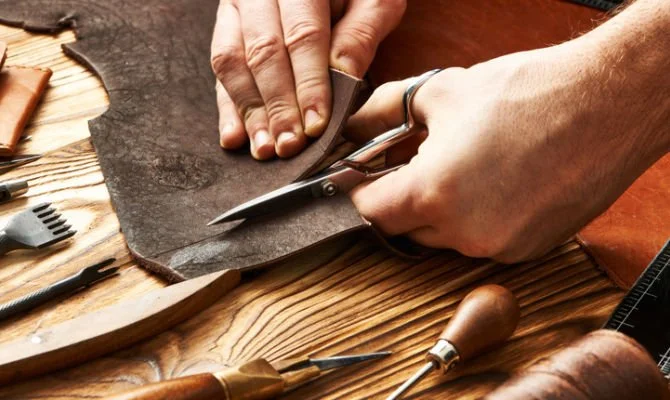
Florence and its surrounding region have held a reputation for quality leather production for hundreds of years. However, before the Industrial Revolution, preparing animal hides was considered particularly unsavory work. In medieval Florence, many tanneries (or conciatori) were located along the Arno River to facilitate washing away the mess and unpleasant smells that characterized the trade.
By the 1300s, some 1,500 shoemakers were already working in the city, with about a third settling in the Oltrarno district. Cobblers made shoes for local consumption but also participated in a lively export trade, forming the roots of the Tuscan international leather fashion industry that still thrives today.
Beyond apparel, leather specialists were integral to the book trade, producing parchment sheets from cured sheepskins. They crafted leather covers to protect books and provide a luxurious exterior. Leather workers also pioneered techniques for armor and ceremonial dress, and collaborated with saddle and tack makers to create horse regalia for festivals and everyday use.
In the early twentieth century, the Florentine leather industry reached new heights. Guccio Gucci, son of a Florentine leather artisan, initially turned his back on the family business. While working at London's Savoy Hotel, he carried stylish luggage for wealthy visitors—an experience that would change everything. Gucci returned to Florence in 1921 and refocused his family business on designing fine leather luggage and accessories for a wealthy international clientele, soon propelling the leather goods of his native city to international fame as one of the most recognized names in the fashion world.
Selected Shops
If you want to make nice, confident purchase, consider the following shops:
Benheart
Via della Vigna Nuova, 97r; 055/2399483
Via dei Cimatori, 25r; 055/0462638. Ps. Read our story about this Italy Magazine top shopping pick here.
Dimitri Villoresi Bags
Via dell’Ardiglione, 22
366/4534867
Digerolamo
Via del Moro, 58
055/2298378
Fratelli Peroni
Via G. Marconi, 82r
055/572520
Gucci Museum
Piazza della Signoria, 10
055/75923302
Leather School
Scuola del Cuoio
Piazza Santa Croce, 16
055/244533
Madova
Via Guicciardini, 1r
055/2396526
Mannina
Via Guicciardini, 16r
055/282895
Monaco Metropolitano
Via dei Ramaglianti, 6r
055/268121
Pelleterie Fiorentine
Via Sant’ Egidio, 31/r
055/245335
Roberto Ugolini
Via Michelozzi, 17r
055/216246
Via de’ Ginori, 23r (The name of the store is its address!)
055/2398031
Cuor di Pelle
Via dei Pilastri 7A R
+39 3290965746 - +39 055 3880404