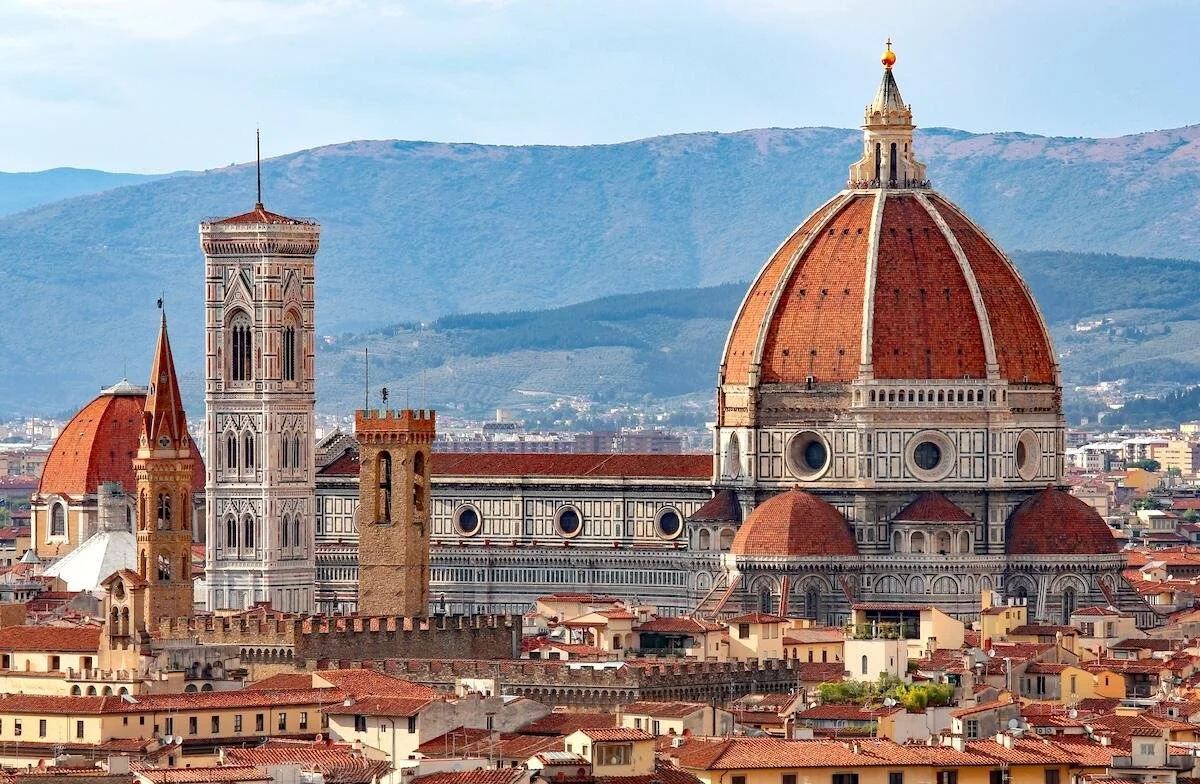
Florence, Italy: Art, Leather & Dolce Vita
One could live in Forence, Italy a thousand years and bearly scratch the surface of its complex and engaging culture! Florence is a city where every cobblestone street and sun-drenched piazza tells a story of artistic genius and innovation. As the birthplace of the Renaissance, this jewel of Tuscany transformed the course of Western civilization, giving the world Michelangelo, Leonardo da Vinci, Botticelli, and Dante. Today, the city remains a living museum where Brunelleschi's iconic terracotta dome still dominates the skyline, masterpieces fill world-class galleries, and medieval bridges span the gentle Arno River. But Florence is far more than its glorious past—it's a vibrant modern city where leather artisans practice centuries-old crafts, trattorias serve soul-warming Tuscan cuisine, and locals gather for evening passeggiata through Renaissance squares. Whether you're standing awestruck before the David, savoring gelato near the Duomo, or getting lost in the winding streets of the Oltrarno, Florence captivates with an intoxicating blend of art, history, and la dolce vita.
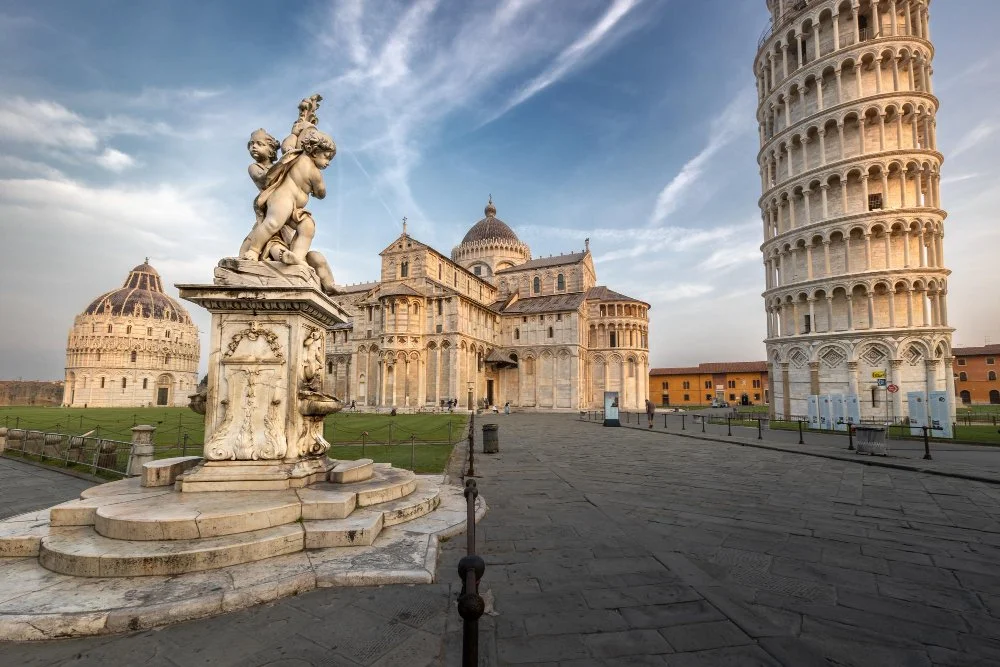
More Than a Tower: Discovering Pisa’s Culture
Pisa is a city renowned for its iconic landmarks, rich history, and vibrant culture. Once a thriving Roman port sitting on the coast until the 15th century, Pisa now lies on the alluvial plain of the Arno River, about 10 kilometers from the Ligurian Sea. The city has seen much disruption since Roman times, from medieval sea battles to land conflicts between Tuscan rivals Lucca and Florence, and suffered severe damage during World War II. Today, Pisa is a popular tourist destination, with the city's unique Piazza dei Miracoli (The Square of Miracles), a UNESCO World Heritage site, home to Pisa's iconic Leaning Tower. However, beyond the tower, visitors will discover the many treasures of this city—its unique character, rich cultural heritage, and glimpses of an authentic Italian lifestyle.
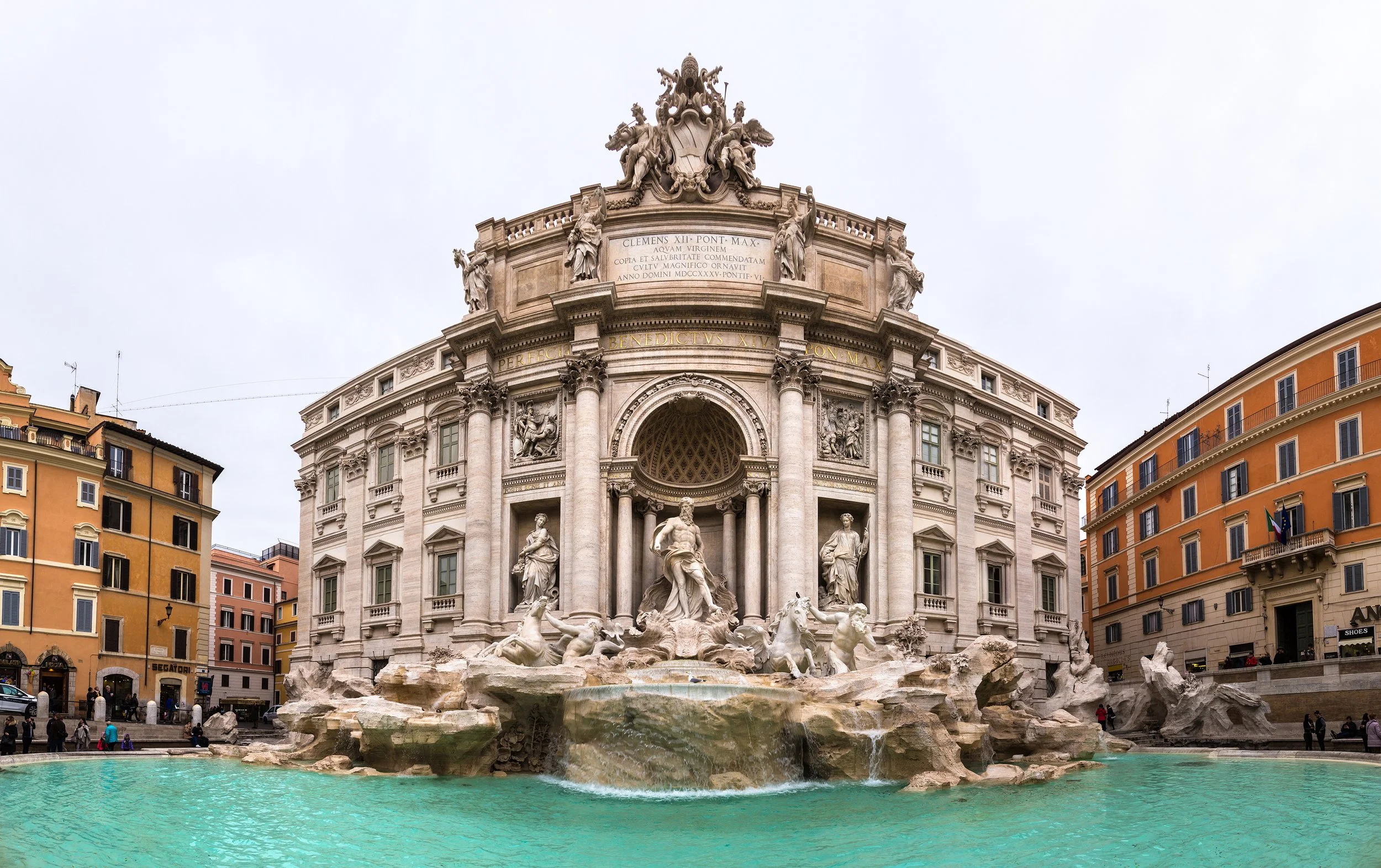
What Textbooks Can't Teach: My 24 hour Journey to Ancient Rome
Since earning a Classics minor as an undergraduate, I have been fascinated with ancient Rome—from its political structure and military tactics to its art, architecture, and pottery. Though I have studied many Roman stone buildings, key sculptures, and graphic ceramic pots (with geometric patterns and detailed scenes of hunting, myths, and daily life) in textbooks, it is impossible to experience scale, texture, color, and context without standing right here, fully present, in front of the structure or object, preserved in situ in one of the most magical, ancient cities in the world.